







Why Stay Active?
Maintaining regular physical activity during pregnancy is remarkably beneficial for both the expectant mother and her developing baby. Far from being a risk,
exercise during this period is evidence-based to reduce complications later in pregnancy and labor, debunking common myths about potential harm to the fetus. It plays a significant role in boosting mood, facilitating a smoother pregnancy journey, and can even contribute to an easier labor process. The NHS UK highlights that active women often experience fewer issues as their pregnancy progresses and during childbirth, underscoring the importance of continued movement for overall maternal and fetal health.
Gentle Movement Essentials
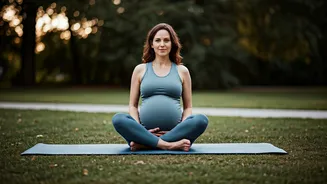
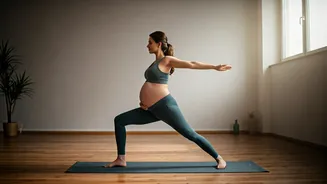
Incorporating simple, everyday physical activities is key to staying active throughout your pregnancy. The focus should be on gentle engagement, avoiding any form of strenuous effort or overexertion. Activities like taking a leisurely daily walk, practicing mild yoga or simple stretching routines, and even undertaking light household chores can effectively contribute to your daily exercise goals. Aim for at least 20 to 30 minutes of such movement each day; it's about consistent, moderate engagement rather than intense workouts. The goal is to maintain a healthy lifestyle without putting undue pressure on your body during this special time.
Listen To Your Body
A fundamental principle during pregnancy is to be highly attuned to your body's signals and never push yourself to exhaustion. This period is not the time for demanding or vigorous physical exertion. Employing the 'talk test' is a practical way to gauge your exercise intensity: you should be able to comfortably hold a conversation without becoming excessively breathless or fatigued. This simple guideline helps ensure that your chosen activities remain safe and beneficial, allowing you to enjoy the advantages of exercise without compromising your well-being or that of your baby.
Hydration & Comfort
Staying adequately hydrated and ensuring physical comfort are paramount when engaging in any form of exercise during pregnancy. Always make it a priority to drink plenty of fluids before, during, and after your workout. It is advisable to avoid exercising on extremely hot days, and dressing in breathable, comfortable attire is essential. Incorporating warm-up exercises to prepare your body and cool-down routines afterward can significantly help in preventing injuries. If you decide to join a fitness class, it is crucial to inform your trainer about your pregnancy beforehand.
Beneficial Prenatal Exercises
Certain types of exercises are particularly advantageous for pregnant women, offering targeted support and relief. Abdominal and core strengthening exercises are vital for supporting the growing abdomen and can effectively alleviate back pain. Pelvic tilt exercises are beneficial for improving posture and reducing discomfort in the back. Furthermore, pelvic floor exercises are highly recommended as they strengthen the muscles that play a crucial role in preventing and managing urinary incontinence, a common concern during and after pregnancy.
The Joy of Swimming
Swimming emerges as an excellent choice for prenatal fitness, largely due to the buoyancy it provides, making your body feel significantly lighter in the water. This sensation of reduced weight can be particularly comforting, especially during the later stages of pregnancy when physical heaviness can become more pronounced. Beyond the physical benefits, many women find swimming to be a deeply relaxing and enjoyable activity, offering a welcome respite and a pleasant way to stay active while managing the changes in their body.
Exercises to Avoid
It is crucial to steer clear of certain exercises and activities that pose potential risks during pregnancy. High-impact activities or sports that carry a significant risk of falling, such as certain team games or contact sports, should be avoided. Additionally, exercises that require you to lie flat on your back for extended periods, especially after the first trimester (around 16 weeks), are not recommended as they can negatively impact blood circulation. Activities like kick-boxing, judo, or squash, which involve a risk of being hit, scuba diving due to potential developmental risks to the baby, and exercising at very high altitudes (above 2,500m) which can lead to altitude sickness, are also strongly advised against.
Starting If Inactive
For women who were not leading an active lifestyle prior to pregnancy, it is essential to begin any exercise regimen very gradually. There's no need to jump into intensive training; the focus should be on slow, progressive movement to find a suitable and comfortable routine. This cautious approach ensures that your body can adapt safely to increased physical activity. The primary goal is to build a sustainable fitness habit that supports a healthy pregnancy without causing undue stress or strain on your system.