





Understanding Skin Pores
Our skin is dotted with minuscule openings known as pores, which are fundamental to its well-being. These pores serve as conduits for sebum, the skin's
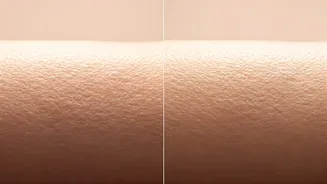
natural oil, and sweat to ascend to the surface. This vital function helps in moisturizing the skin, regulating body temperature, and maintaining a clear complexion. However, when pores become noticeably enlarged or obstructed, they can lead to various skin concerns that necessitate specific care. The key challenge often lies in accurately identifying whether the issue stems from open or closed pores, as each requires a tailored approach to skincare for optimal results.
What Are Open Pores?
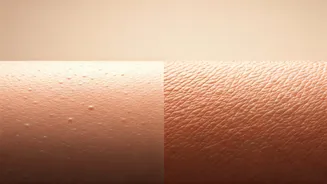
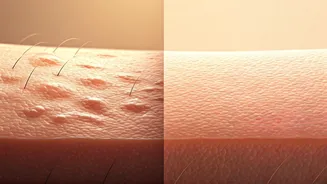
Open pores are characterized by their enlarged or visibly prominent appearance, standing out more than typical pores. They manifest as small, discernible openings or shallow pits on the skin's surface, frequently observed on the cheeks, forehead, and nose area. Skin exhibiting open pores might appear excessively shiny or greasy due to heightened oil production. A primary culprit behind their formation is often the presence of blackheads, where sebum and dead skin cells become oxidized within the pore, causing it to widen. Contributing factors to the development of open pores include the accumulation of cosmetic products, damage from sun exposure, genetic predispositions, an overproduction of sebum, and the natural aging process, which can diminish skin elasticity.
What Are Closed Pores?
In contrast, closed pores are typically obstructed pores, concealed beneath a fine layer of skin, thus preventing sebum from reaching the surface. If you notice small blemishes or bumps beneath the skin's surface, rather than visible holes, accompanied by whiteheads or closed comedones, you are likely dealing with trapped pores. This condition often results in a skin texture that feels rough and uneven. The underlying causes include excess oil getting trapped beneath the skin, a buildup of dead skin cells, fluctuations in hormones, or the excessive use of heavy skincare products that can lead to pore blockage.
Managing Open Pores
To effectively manage open pores, initiate a skincare regimen that includes gentle cleansing twice daily to eliminate excess oil. Incorporate ingredients like salicylic acid or niacinamide, known for their ability to regulate sebum production and minimize pore visibility. Applying clay masks, such as multani mitti, twice a week can help absorb impurities and oil. Crucially, daily application of sunscreen is non-negotiable; UV rays degrade the skin's elasticity, a factor that exacerbates pore enlargement. Protecting your skin from sun damage is paramount in maintaining its firmness and reducing the appearance of open pores over time.
Managing Closed Pores
Addressing closed pores requires a focused approach to unclogging and promoting cell turnover. Regular exfoliation is key, with chemical exfoliants like AHAs and BHAs being highly effective. Avoid using heavy creams that can contribute to pore congestion. Introducing retinoids into your routine can significantly improve skin cell turnover and help clear trapped pores. Maintaining a consistent cleansing routine is also vital to prevent product buildup. For a natural approach, DIY remedies like applying curd can act as a gentle exfoliator, sloughing off dead skin cells and simultaneously soothing the skin, aiding in the resolution of closed comedones.