
Navigating Uncertainties
Milan Fashion Week, like similar events, was shaped by external factors that influence design. The fashion industry, mirroring broader societal changes,
faced ongoing challenges. Designers responded by creating collections that offered a blend of practicality and aspiration. The collections reflected a desire for comfort, with materials like soft wool and flowing silks prevalent. At the same time, a renewed interest in classic tailoring and structured silhouettes was observed, suggesting a response to economic fluctuations, with a focus on investment pieces that would endure. There was a trend to utilize less ostentatious looks and prioritize wearability, moving away from overtly flashy fashion. This emphasis on functionality alongside elegance became a defining characteristic of the event.
The Rise of Craftsmanship
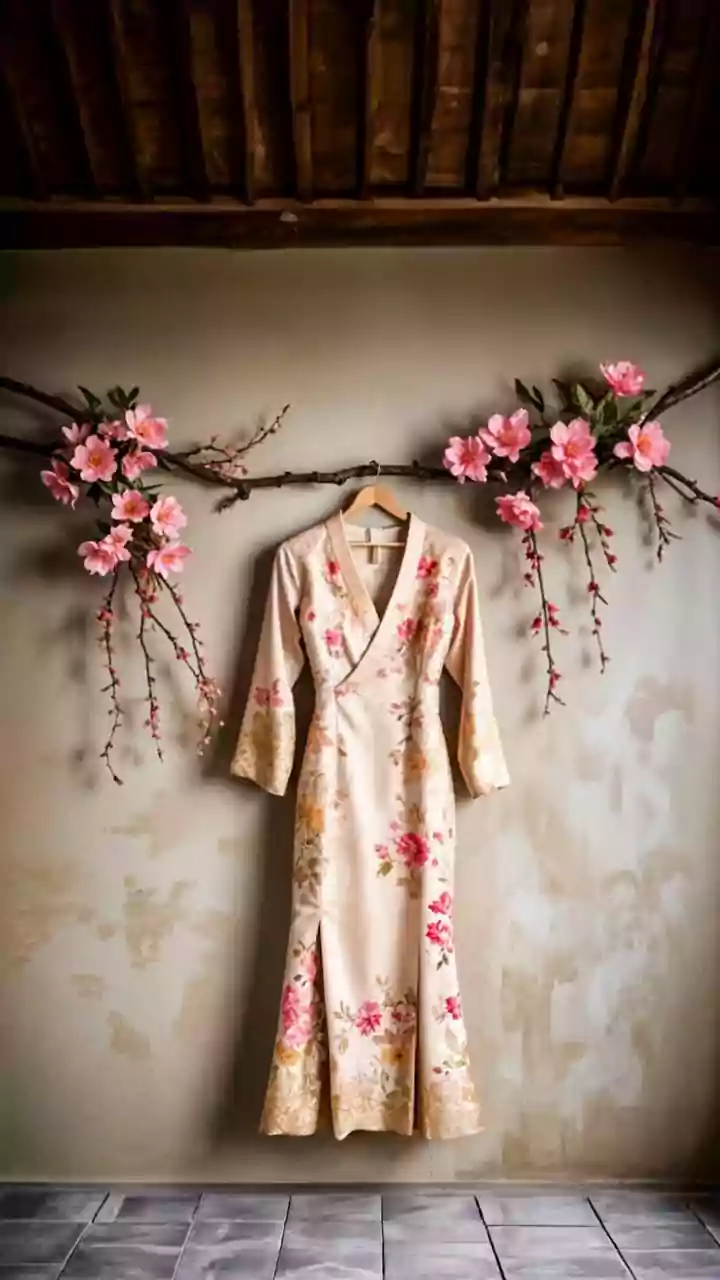
A significant trend at Milan Fashion Week was the resurgence of artisanal techniques. Many designers embraced handcrafts and bespoke detailing to provide collections with a unique identity and elevate the clothing. Intricate embroidery, delicate lacework, and hand-painted designs were increasingly visible, underscoring the value of skilled workmanship. This focus went beyond aesthetics, it also became a sign of exclusivity and luxury, attracting clients who value exceptional quality and attention to detail. This development also showed a move toward sustainability and a respect for craftsmanship, as consumers increasingly seek out garments that are made to last and tell a story. The handmade touches added distinctiveness to the collections, making each piece special.
Embracing a New Palette
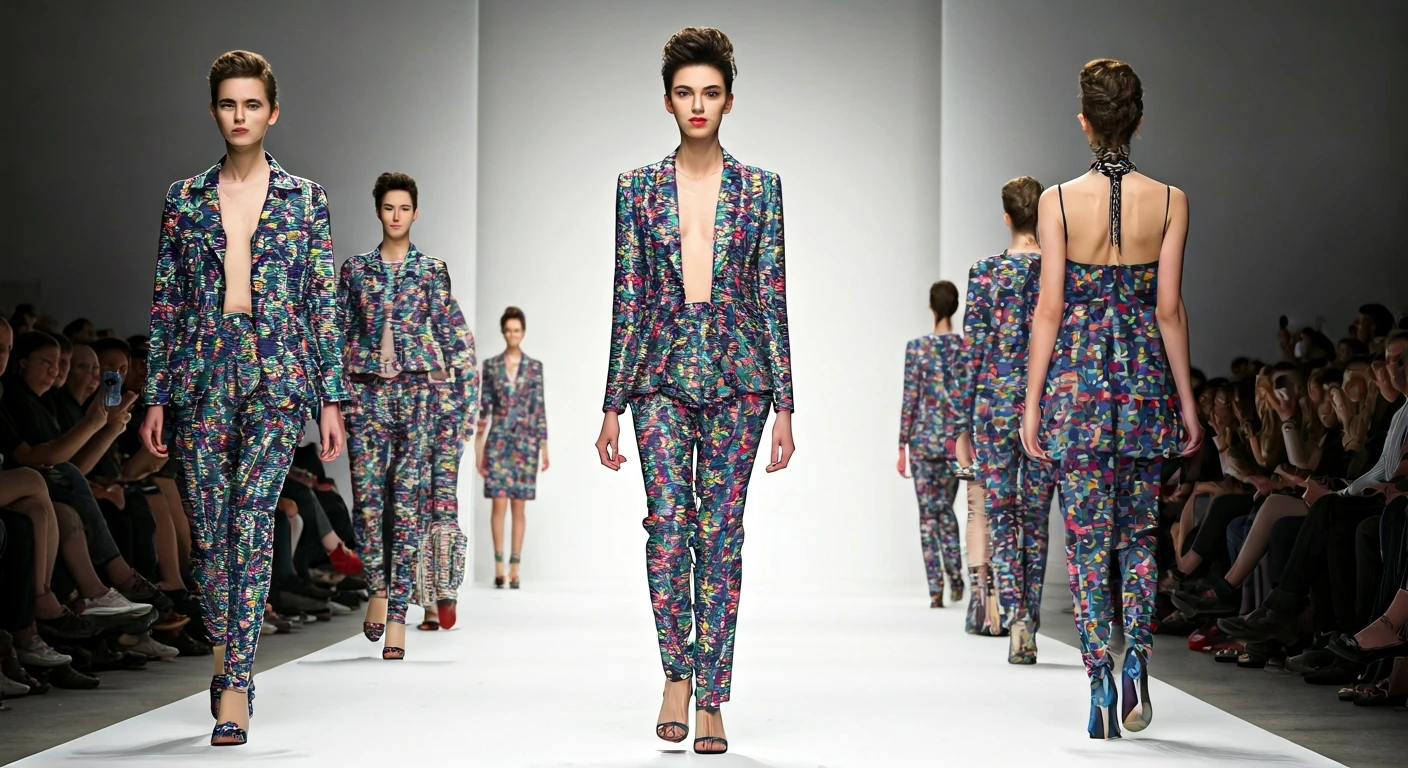
Color palettes at Milan Fashion Week showcased shifts in design taste. Designers experimented with a range of colors, from muted pastels to bold and dynamic hues. Soft, earthy tones like creams, light browns, and olive greens were prominent, suggesting a need for calmness and comfort. The use of vibrant colors like fuchsia, electric blue, and deep reds created a sense of energy and optimism. In terms of prints, there were floral patterns, geometric designs, and abstract graphics, adding depth and visual appeal to collections. These color and print choices reflected the evolving mood of the fashion world and the desire for both stability and creative expression. The variety in color trends signaled that designers were ready to push the boundaries and to offer diverse options for a wide spectrum of tastes.
Silhouettes and Structures
The silhouettes seen on the runways at Milan Fashion Week underscored the prevailing fashion preferences. There was a noticeable contrast between flowing, relaxed forms and sharply tailored looks. Oversized coats, wide-legged pants, and flowing dresses presented comfort and ease. At the same time, structured blazers, form-fitting skirts, and impeccably tailored suits showed a focus on refined elegance. The mixing of different silhouettes suggested a desire for versatility. The use of strong shoulder lines and defined waistlines offered confidence, while soft draping and fluid materials gave a sense of freedom. Designers blended the modern and classic to design a collection of silhouettes to meet the diverse needs and tastes of the modern consumer.
Sustainability and Innovation
Sustainability was a key theme at Milan Fashion Week. Many designers prioritized environmentally responsible practices. This included the use of recycled fabrics, innovative materials, and ethical sourcing methods. Several designers showcased collections made from organic cotton, recycled polyester, and innovative plant-based materials. The push for sustainability wasn't just about the fabrics; it also involved production processes, with a focus on minimizing waste and reducing the carbon footprint. Many brands emphasized transparency in their supply chains, aiming to inform consumers about the origins and impacts of their garments. These efforts showed the fashion world's commitment to protecting the environment and promoting responsible consumerism.
Accessories: Key Elements
Accessories at Milan Fashion Week served to complete the looks, offering added detail. Bags came in various styles and sizes. From structured totes to compact clutches, each was designed to combine functionality with style. Footwear showcased both comfort and sophistication. Heeled boots and pointed pumps complemented structured outfits, whereas comfortable sneakers and flats were paired with casual styles. Jewelry ranged from minimalist designs to bold, statement pieces. Delicate necklaces, bracelets, and earrings provided subtle embellishments, while chunky chains and oversized rings added drama. Accessories offered designers a way to express their creativity and influence the overall style. These accessories, through their variety and inventive designs, underscored the ongoing evolution of fashion trends.