







Date and Global Context
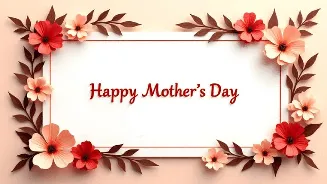
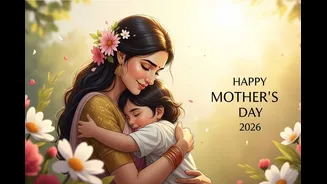
Mother's Day 2026 is scheduled for Sunday, May 10th, a date observed in India, the United States, and many other nations, falling on the second Sunday of
May. This timing coincides with the vibrant bloom of spring, symbolizing the nurturing essence of motherhood. While some countries, like the UK, observe 'Mothering Sunday' in March with roots in the Christian calendar, the May celebration has gained widespread international recognition. This tradition transcends mere tradition, becoming a global moment to reflect on maternal figures and the life-affirming qualities they embody. The timing in May amplifies the symbolism of renewal and growth associated with mothers.
Origins: A Gritty History
Contrary to the perception of Mother's Day as a purely commercial invention, its origins are steeped in personal history and advocacy. The modern iteration was passionately spearheaded by Anna Jarvis in the early 1900s, following her mother's passing in 1905. Anna's mother, Ann Reeves Jarvis, was a remarkable peace activist who tended to wounded soldiers and established 'Mother's Day Work Clubs' to tackle public health issues. Driven by a desire to honor her mother's profound impact, Anna organized the inaugural Mother's Day service in 1908, envisioning a day of deep, personal connection rather than mere festivity. She chose the white carnation as the day's emblem, representing purity, fidelity, and maternal love.
Commercialization and Anna's Fight
The recognition of Mother's Day evolved significantly when President Woodrow Wilson signed it into law in 1914. However, this victory soon turned into a personal battle for Anna Jarvis. She witnessed the rapid commercialization of the holiday, which she felt distorted its original intent. Jarvis spent the remainder of her life and her personal fortune campaigning against the very day she had helped establish, lamenting its transformation into a 'Hallmark holiday.' She famously criticized the use of printed cards, stating they signified laziness and a failure to express personal gratitude to mothers who have made unparalleled contributions.
Contemporary Significance in 2026
As we approach Mother's Day 2026, the narrative is shifting from solely glorifying maternal 'sacrifice' to acknowledging the tangible realities of motherhood. The focus is now on recognizing several key aspects: the immense 'mental load' – the invisible, constant orchestration of household logistics and emotional support; the 'modern mom' who defies stereotypes, embracing her individuality as a corporate leader, single parent, or homemaker; and the recognition of 'chosen mothers' – aunts, grandmothers, and mentors who have fulfilled maternal roles. This evolving perspective emphasizes a more holistic and realistic appreciation of mothering.
Meaningful Celebration Ideas
Inspired by Anna Jarvis's emphasis on gestures over material value, celebrating Mother's Day in 2026 can be deeply meaningful. Prioritize 'The Gift of Time and Sleep,' allowing mothers a rare reprieve from daily chores and demands. Engage in a 'Digital Detox,' putting away phones for genuine conversations and exploring her life beyond motherhood. Embrace 'A Homemade Touch,' with handwritten notes or meals prepared and cleaned up by you, offering a stark contrast to the digital age. Importantly, 'Support Her Hobbies,' whether it's providing a quiet space for reading or gifting a rare sapling for a gardening enthusiast, tailoring the celebration to her individual passions.
Global Observances Contrasted
While Mother's Day is celebrated on May 10th in many parts of the world, traditions vary significantly. In Thailand, the day is observed in August, coinciding with the current Queen's birthday. Ethiopia hosts 'Antrosht,' a multi-day feast honoring motherhood with songs and gatherings. France celebrates 'Fête des Mères' on the last Sunday of May, often featuring a special flower-shaped cake. These diverse customs highlight a universal theme of honoring mothers, each with unique cultural expressions, underscoring that the essence of the day—appreciation—transcends borders.