





Climate-Conscious Foundations
Before the advent of modern climate control, homes across India were inherently designed to manage heat and foster comfort through a profound understanding
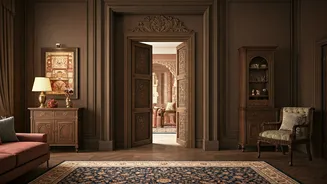
of their environment. This approach involved a meticulous consideration of the sun's trajectory and the direction of prevailing winds, ensuring that buildings acted as passive cooling mechanisms. Openings were strategically placed to harness cross-ventilation, while architectural elements were carefully positioned to shield interiors from the sun's direct rays. This thoughtful orientation and shading significantly reduced heat absorption, maintaining a pleasant internal temperature throughout the day without the need for energy-intensive mechanical systems. This ancient wisdom proves invaluable as urban heat islands intensify, offering a blueprint for contemporary architectural practices aiming for sustainability and occupant well-being.
The Power of Natural Materials
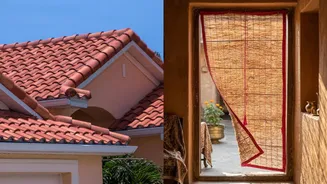
Traditional Indian dwellings extensively utilized materials sourced from the earth, such as mud, stone, lime, and clay roof tiles, all renowned for their exceptional insulating properties. The substantial thickness of these walls served as a formidable barrier against heat transfer, effectively slowing down the influx of external warmth. This design principle ensured that interiors remained cooler during the day and, crucially, allowed stored heat to dissipate gradually during the night, thus maintaining a remarkably stable and comfortable indoor temperature. The choice of locally available materials was not merely about accessibility; it was a deliberate alignment with the specific climatic conditions of each region, inherently promoting energy efficiency and reducing the ecological footprint of construction. This synergy between material selection and local climate underscores the holistic approach of traditional architecture.
Courtyards: Natural Coolers
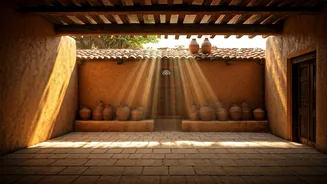
A central courtyard often formed the heart of traditional Indian homes, playing a pivotal role in the building's natural cooling system. This open space facilitated the upward movement of hot air, a phenomenon known as the stack effect, thereby drawing cooler air in from adjacent shaded areas. In many instances, courtyards were enhanced with lush vegetation and tranquil water features. This integration of elements amplified their cooling potential, transforming the courtyard into a highly effective natural air conditioner. The presence of plants provided evaporative cooling, while water bodies absorbed heat and released it as cooler vapor. This innovative use of space and natural elements demonstrates a sophisticated understanding of thermal dynamics, integrating seamlessly with the living environment.
Shading and Ventilation Elements
Elements like extended verandahs, intricately designed jalis (perforated screens), and steeply sloping roofs were integral to the passive cooling strategies of traditional Indian homes. These architectural features were expertly employed to deflect direct sunlight, thereby minimizing heat gain within the living spaces. The jalis, in particular, served a dual purpose: they artfully filtered the harsh sunlight, casting gentle shadows, while simultaneously allowing for unimpeded air circulation. This balance between shade and airflow was crucial for maintaining thermal comfort. The sloping roofs not only aided in rainwater runoff but also created an additional layer of insulation and facilitated air movement. These passive cooling techniques were not merely functional; they contributed significantly to the aesthetic and cultural identity of the homes.
Lessons for Modern Design
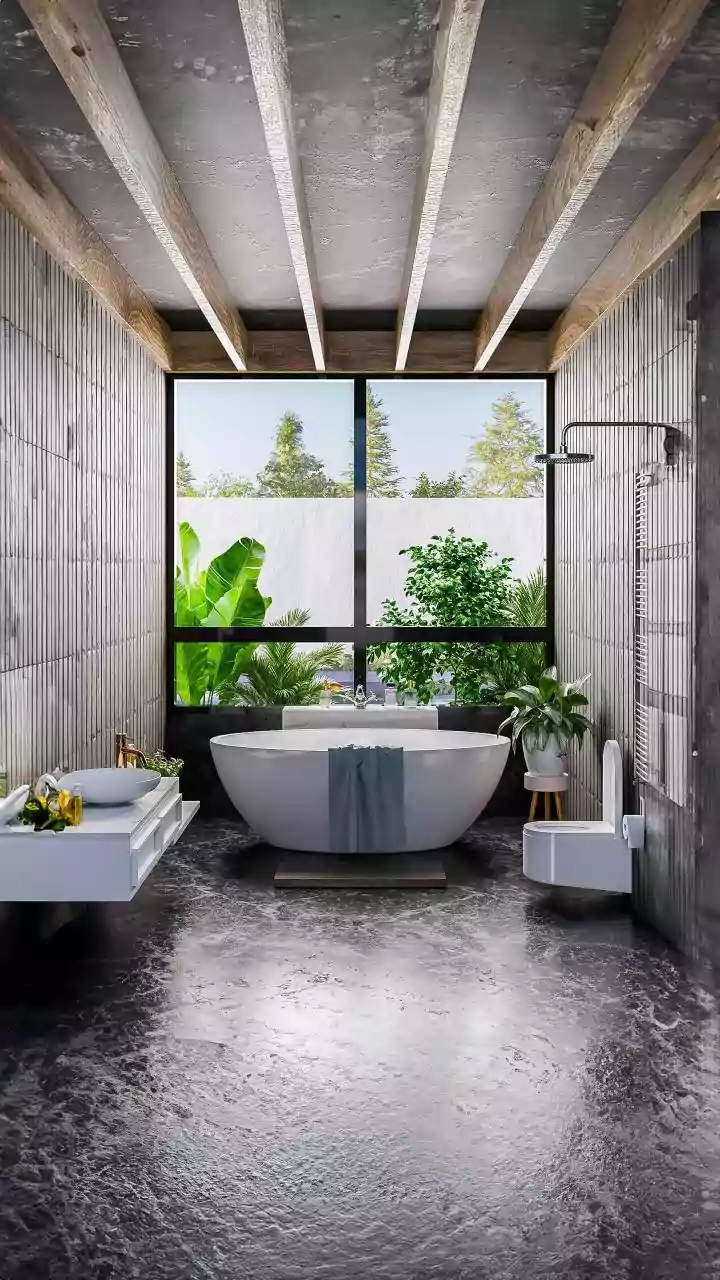
Contemporary architecture stands to gain immensely by reincorporating these time-tested passive design strategies. By prioritizing natural ventilation, judiciously selecting climate-appropriate materials, and artfully integrating shaded outdoor spaces, modern buildings can significantly reduce their reliance on energy-intensive air conditioning. This fusion of traditional wisdom with current architectural needs can pave the way for real estate developments that are not only more sustainable and energy-efficient but also provide enhanced comfort for occupants. The enduring legacy of traditional Indian homes serves as a powerful reminder that optimal comfort can be achieved through intelligent design rather than solely through complex technological interventions. In an era marked by rising global temperatures and energy challenges, embracing these concepts is essential for creating smarter, greener, and more livable environments for generations to come.