







A Mystery of Name
While its name evokes the sacred city of Kashi, this delightful halwa is a true emblem of South Indian culinary heritage, especially cherished in Tamil
and Kannada regions. It's a traditional dessert, predominantly crafted from ash gourd, sugar, and ghee, creating a shimmering, rich confection. Its connection to Tamil Nadu, particularly the town of Tirunelveli, is profound, where it's renowned for its glossy appearance, exquisite taste, and significant role in celebrations. The moniker 'Kashi' is thought to be a tribute to Varanasi, signifying purity and good fortune, a sentiment that has become intricately woven into the dish's identity as it solidified its place in local culinary practices and festive occasions, retaining its ceremonial importance over time.
The Sweet Transformation
The heart of Kashi Halwa lies in the humble ash gourd, also known as white pumpkin or winter melon. This vegetable undergoes a slow and careful cooking process, transforming its neutral character into a luxurious, almost translucent dessert through the diligent addition of sugar and ghee. This method ensures that the gourd completely loses its moisture, allowing it to fully absorb the richness of the ghee and the sweetness of the sugar. The result is a confection that is both velvety smooth and delightfully sweet, a testament to the magic of patient culinary artistry. It is a dish that exemplifies how simple, everyday ingredients can be elevated to something truly special through skillful preparation and time-honored techniques.
Tirunelveli's Sweetheart
The story of Kashi Halwa is most strongly entwined with Tirunelveli, a town in Tamil Nadu where this dessert has been a culinary fixture for generations. It's an indispensable part of important life events and festivities, gracing the tables at weddings, temple gatherings, and celebratory feasts. This particular association makes it a staple, especially within Tamil Brahmin households, where its preparation and consumption are deeply ingrained in tradition. Its presence signifies joy and auspiciousness, making it more than just a sweet treat but a symbol of good fortune and communal celebration. This deep-rooted connection to place and tradition underscores its enduring appeal and cultural significance.
Essence of Simplicity
The true charm of Kashi Halwa lies in its elegantly simple ingredient list: ash gourd, sugar, and ghee form the core, often enhanced with the aromatic notes of cardamom and sometimes the crunch of cashews. The meticulous process involves cooking the gourd until all its inherent moisture is driven out. This allows the mixture to freely absorb the ghee and sugar, yielding that signature glossy, melt-in-your-mouth texture. The subtle flavour of the ash gourd acts as a perfect canvas, allowing the sweetness and the fragrant essence of the ghee and cardamom to take centre stage without becoming overwhelmingly rich. It’s a delicate balance that makes this dessert so delightful and addictive.
A Palette of Sensation
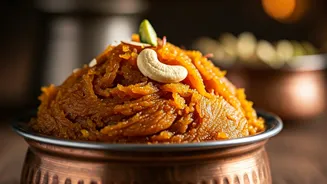
Traditionally, Kashi Halwa presents a beautiful golden or amber hue, a visual promise of the delightful experience to come. Its texture is a marvel – soft and yielding, with a slight chewiness that keeps each bite interesting, yet it remains surprisingly light on the palate, never feeling heavy. The neutral foundation provided by the ash gourd is key; it ensures that the sweetness and the rich aroma of the ghee are the dominant flavours, creating a harmonious and well-balanced taste profile that is utterly satisfying. This careful composition of texture, colour, and taste contributes to its enduring popularity and its status as a treasured confection.
Enduring Cultural Appeal
Today, Kashi Halwa proudly holds its position as both a cherished piece of culinary heritage and a beloved nostalgic treat across Tamil Nadu. You'll find it readily available in local sweet shops and lovingly prepared in homes, continuing its legacy. Furthermore, its distinctiveness is increasingly being celebrated in food festivals and curated menus that aim to revive and showcase traditional South Indian desserts. This renewed appreciation highlights its status not just as a sweet but as an important cultural artifact, connecting present generations to their rich gastronomic past and ensuring its continued relevance in the contemporary culinary landscape.