





What Is DHT?
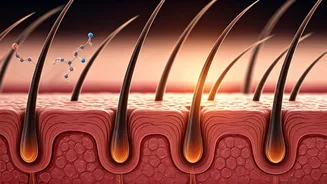
Dihydrotestosterone, or DHT, is a naturally occurring hormone derived from testosterone, present in both men and women, albeit in varying amounts. Its
role is crucial during puberty, influencing developments like body hair growth and voice deepening in males. Essentially, DHT isn't inherently detrimental; its problematic association with hair loss arises when hair follicles develop a heightened sensitivity to its presence. This sensitivity is often predetermined by genetics, explaining why DHT-related hair loss is frequently referred to as 'genetic hair loss.'
How DHT Affects Follicles
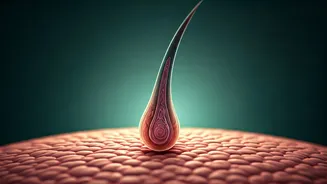
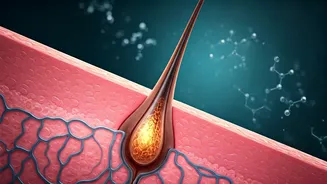
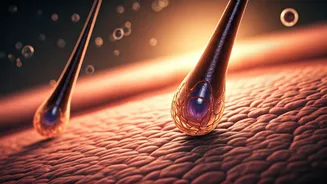
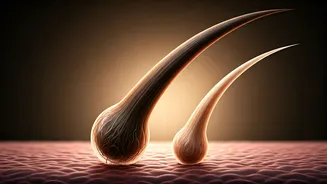
When DHT attaches itself to sensitive hair follicles, it initiates a gradual process of miniaturization. This means that with each subsequent hair growth cycle, the follicles shrink, leading to finer and slower-growing hair. Over time, this progressive shrinking can cause the follicle to cease producing hair altogether, resulting in noticeable thinning. It's not an abrupt event but rather a slow, stealthy decline in hair density and thickness, making early recognition crucial.
Identifying DHT Hair Loss
Distinguishing DHT hair loss from general hair shedding is key. Unlike temporary hair fall caused by stress or diet, DHT-related loss is typically progressive and patterned. Common indicators include a receding hairline, particularly at the temples forming an 'M' shape in men, and thinning at the crown. For women, a prominent sign is a widening of the hair parting or a noticeable decrease in the thickness of ponytails. You might also observe that individual hair strands are becoming finer and less robust than they used to be.
Who Is At Risk?
A significant portion of the population is susceptible to DHT hair loss, but certain factors increase the likelihood. A strong family history of baldness is a primary indicator, suggesting a genetic predisposition. Individuals in their late twenties and thirties often begin to notice the effects, though it can commence earlier. Hormonal imbalances, such as those associated with Polycystic Ovary Syndrome (PCOS) in women, also raise the risk. It's a misconception that women are immune; female pattern hair loss, a manifestation of DHT sensitivity, is a very real concern.
Seeking Professional Diagnosis
While there isn't a definitive at-home test, consulting a dermatologist is the most reliable method for diagnosing DHT hair loss. A medical professional can visually inspect your scalp and hair follicles, potentially using a dermatoscope for a magnified view. In some instances, blood tests may be recommended to assess hormone levels. This professional assessment can confirm the cause and guide appropriate treatment strategies, differentiating it from other potential hair loss causes.
Managing DHT's Effects
Although DHT cannot be eliminated entirely due to its essential bodily functions, its impact on hair follicles can be managed. Treatment options often involve DHT blockers that inhibit the hormone's effect on the scalp. Topical treatments can also be prescribed to stimulate hair growth and enhance thickness. Complementary strategies include adopting a balanced diet rich in protein, iron, and biotin, practicing stress management techniques, and maintaining a healthy scalp care routine. Early intervention is paramount for the best outcomes.