






Building Blocks of Development
Remember the joy of building forts from blankets or tinkering with broken toys? These weren't just pastimes; they were early lessons in patience, curiosity,
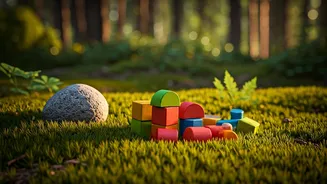
and problem-solving. In today's screen-dominated world, recreating these moments of real-world discovery is more vital than ever. Activities like dismantling and reassembling small objects, tackling complex puzzles collaboratively, or engaging with tactile games such as blocks and magnetic tiles are instrumental in nurturing independent thought. These open-ended materials empower children to envision, construct, and experiment without constraints. Even seemingly simple challenges, like fashioning a robot from discarded boxes, ignite creativity, bolster resilience, and instill a sense of responsibility. Such experiences underscore that learning is an ongoing, delightful journey, not an instantaneous outcome. Research indicates that unstructured, child-led play significantly enhances creativity, problem-solving prowess, and cognitive flexibility when contrasted with structured or screen-based pursuits, validating the profound impact of free-form activities.
Fueling Curiosity Outdoors
When children engage with tangible experiences, their innate curiosity blossoms. A simple outdoor excursion can prompt a cascade of questions, while nurturing a plant and observing its daily growth offers a gentle introduction to responsibility and scientific observation. Exposing children to diverse environments like museums, art galleries, post offices, or railway stations broadens their understanding of how the world functions beyond the pages of books or the glow of screens. These excursions bridge the gap between theoretical knowledge and practical application, making learning relatable and meaningful. Studies confirm that direct interaction with real-world settings significantly boosts curiosity, intrinsic motivation, and long-term educational achievements. This evidence strongly supports the value of nature walks, gardening, and everyday explorations in deepening children's inquisitiveness and fostering profound learning.
Nurturing Emotional Well-being
Alongside intellectual growth, fostering socioemotional development is paramount. Open conversations about feelings, engaging with stories that explore emotions, and adhering to calming bedtime routines contribute to a child's sense of security. When a child feels overwhelmed, providing support instead of dismissing their emotions cultivates empathy, self-assurance, and self-awareness. This foundation of inner security then facilitates social growth, particularly through unstructured play in public spaces. Here, children naturally learn to share, negotiate, and navigate minor conflicts independently. Conversely, research highlights a correlation between increased screen time and diminished attention spans, alongside lower socioemotional competence. In contrast, real-world interactive activities yield positive developmental outcomes, reinforcing the critical role of hands-on, social, and outdoor engagement for holistic growth.