



The Power of Massage
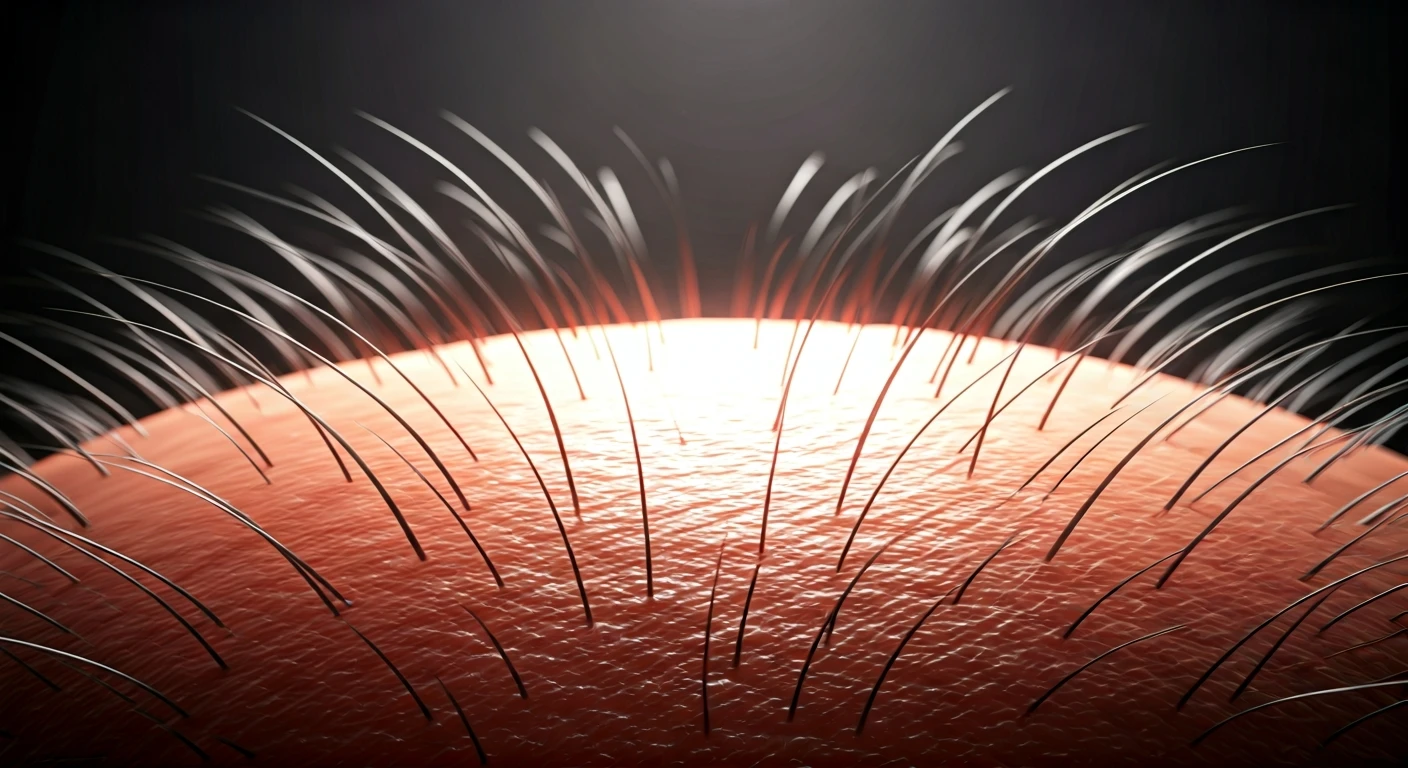
Scalp massage is an age-old practice proven to enhance hair health by significantly improving blood circulation. This enhanced blood flow delivers essential
nutrients and oxygen directly to the hair follicles, which are crucial for promoting hair growth and reducing shedding. While it may not be a miraculous cure for advanced stages of baldness, consistent application of this technique can markedly improve hair texture, strengthen existing strands, and encourage the emergence of new hair in areas experiencing thinning. It's a natural, cost-effective method to revitalize your scalp environment and support your hair's vitality, making it a cornerstone of effective hair care.
Why Your Scalp Loves It
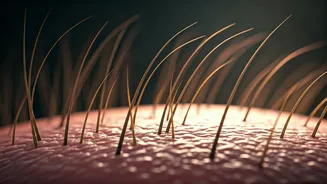
The benefits of scalp massage are rooted in fundamental biological processes. Essentially, the physical act of massaging the scalp stimulates the small blood vessels beneath the skin, increasing blood flow. This influx of blood acts like a nutrient delivery service, supplying the hair roots with vital oxygen and nourishment. Furthermore, research indicates that the stretching action of massage can positively impact the dermal papilla cells at the base of hair follicles. These cells play a key role in hair growth regulation, and the mechanical stimulation may encourage them to promote thicker, stronger hair regrowth. It's a scientifically backed approach to fostering a healthier scalp and supporting robust hair development.
Addressing Bald Spots
While scalp massage isn't a magic bullet for all types of hair loss, it can be a remarkably effective tool, especially for early-stage thinning or hair loss attributed to stress or temporary dormancy. If your hair follicles are still viable but have entered a resting phase, consistent massage can help reactivate them and stimulate new growth. For cases of long-term, permanent baldness where follicles are no longer active, the visible results might be less pronounced. However, cultivating a healthy scalp environment through massage is foundational, making it an excellent complementary practice that enhances the effectiveness of other hair growth treatments and generally improves scalp health.
Optimal Timing Strategies
The frequency of scalp massage is more critical than the exact timing. Aim for consistency, ideally four to five times a week, to observe noticeable changes. Consider incorporating it into your routine as a bedtime ritual, allowing your body's natural repair processes to benefit from the stimulation overnight. Alternatively, pre-wash massages can prepare the scalp for oil treatments, enhancing product penetration. Post-shower is also an opportune moment, as pores are open and the scalp is clean, maximizing the benefits of stimulation. Regularity is the key differentiator for achieving meaningful results with scalp massage.
Mastering the Technique
The most effective scalp massage utilizes your own fingertips, not your nails, to avoid micro-tears and root damage. Begin by applying gentle pressure with the pads of your fingers, working in slow, deliberate circular motions. Start at the hairline and move progressively towards the crown and then down to the nape of your neck. The pressure should be firm enough to feel the scalp moving over the bone, but not painful. Dedicate a few minutes specifically to thinning areas, employing firm, rhythmic circles to boost circulation. Conclude with light fingertip tapping and very gentle tugs on small sections of hair to invigorate the roots. Aim for a total massage duration of 10 to 15 minutes for optimal results.
Boosting with Oils
To amplify the effects of your scalp massage, consider incorporating certain potent oils. Rosemary oil is highly regarded, with some studies suggesting efficacy comparable to minoxidil for early regrowth. Castor oil, though thick, offers profound nourishment, particularly beneficial for thinning areas. Onion oil, rich in sulfur, is another popular choice, often credited with reducing hair breakage. These oils, when massaged into the scalp, can act as a concentrated nutrient boost, enhancing the massage's ability to promote a healthier hair growth environment.
Common Pitfalls to Avoid
Several common mistakes can hinder the progress of your scalp massage efforts. Inconsistency, such as performing the massage sporadically without regularity, will yield minimal results. Applying excessive pressure that causes pain or hair breakage is counterproductive; always opt for a 'Goldilocks' level of pressure. Overusing heavy oils without proper cleansing can lead to clogged pores, creating an unfavorable environment for hair growth. Patience and proper technique are paramount, ensuring you're supporting, not harming, your scalp's health.
Realistic Growth Timeline
Observing changes from scalp massage requires patience and consistency. Within the first month, you may notice a reduction in scalp tightness and dryness, along with decreased shedding. By the second month, the existing hair might appear more lustrous and show better lift at the roots. Significant visible results, such as the emergence of fine 'baby hairs' filling in sparse areas, typically become apparent between three to six months of consistent practice. This timeline underscores that hair regrowth is a gradual process, best supported by regular care.
Holistic Hair Health
For optimal hair regrowth results, scalp massage should be complemented by a holistic approach to well-being. Ensure your diet is rich in protein, as hair is fundamentally composed of this nutrient. Staying adequately hydrated is also crucial for healthy bodily functions, including hair growth. Managing stress levels can significantly impact hair health, as high stress is often linked to hair thinning. By addressing these broader lifestyle factors alongside regular scalp massage, you create the most conducive environment for achieving and maintaining healthy, vibrant hair.