




Rooted in Nature
Jivya, a pioneering fashion label, is redefining the industry's impact on our planet by meticulously designing clothing with its entire lifecycle in mind.
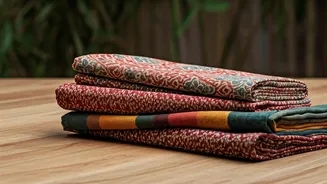
The brand's philosophy centers on the concept of 'soil-to-soil', ensuring that every garment, from its inception to its eventual decomposition, leaves a positive ecological footprint. This commitment is visibly demonstrated through their use of entirely natural and biodegradable fabrics, sourced responsibly and processed using traditional Indian crafting methods. These techniques not only preserve cultural heritage but also contribute to the creation of enduring, timeless pieces that transcend fleeting trends. Beyond the product itself, Jivya actively seeks to foster a deeper understanding among consumers regarding the environmental consequences of fast fashion, advocating for a more deliberate and mindful approach to wardrobe choices. Their designs embody a serene aesthetic, prioritizing comfort and a profound connection to the natural world, reflecting a broader ethos of slow living and conscious engagement with our surroundings.
The Soil-to-Soil Ethos
The core principle guiding Jivya's creation is the 'soil-to-soil' lifecycle, a concept that might initially sound poetic but is fundamentally practical for the brand. Founded by textile chemists Aishwarya Lahariya and Adhiraj Shinde, Jivya was born from an urgent need to fundamentally alter our relationship with fashion. Every single component of their garments, from the fibers used to the dyes that color them and even the buttons that fasten them, originates from plants and is designed to eventually return to the earth. This ambitious undertaking is made possible by the founders' extensive background in material innovation for major global fashion entities and Fortune 500 companies. Instead of applying their expertise to conventional fashion systems, they have redirected it toward creating a truly intentional and sustainable model. Jivya operates in harmony with natural cycles, the skilled artisans they collaborate with, and the natural passage of time itself. What is particularly compelling is that this initiative isn't driven by an outsider's romanticized view of craft; Lahariya and Shinde possess a profound technical and chemical understanding of the fashion industry's often extractive nature, yet they have built a brand that feels deeply human and sensitive.
A Journey of Discovery
Jivya's foundation was laid during an extensive 19,000-kilometer road trip across India, a journey that profoundly shaped the brand's identity and values. This expedition was specifically designed to explore India's rich tapestry of textile traditions, seeking out the unique art forms that form the very fabric of its cultural heritage. Meeting with master artisans, individuals who have been guardians of these crafts for generations, was an experience that proved both humbling and immensely rewarding. These encounters fundamentally shifted the founders' perspective. Witnessing the extraordinary level of skill, intricate detail, and sheer effort invested in weaving and printing each piece of fabric instilled an instinctive commitment to ensuring absolutely nothing goes to waste. The brand's dedication to a zero-waste production model is a direct consequence of these transformative journeys, embedding this philosophy deep within Jivya's core identity. This journey was not merely about sourcing materials; it was about understanding the human element and the profound artistry that underpins traditional Indian crafts.
Plant-Based Innovation
The commitment to an entirely plant-based supply chain, extending from fiber to dyes and even buttons, presented significant technical and creative hurdles. One of the most immediate challenges was sourcing sewing thread that was completely free of polyester, a common synthetic material. This seemingly small detail set the tone for the meticulous attention required throughout the entire production process. Another key challenge involved encouraging weaving artisans to experiment with plant-dyed yarns, which necessitated a departure from their established, conventional practices. This required patient collaboration and a shared vision. Communicating the 'soil-to-soil' concept to consumers also proved difficult, as many have been heavily conditioned by the marketing and durability of synthetic materials, leading to questions about the practicality of biodegradable clothing. However, by focusing on the narrative behind each piece – how it's made, the stories of the crafts involved, and the intentionality behind every detail – Jivya has observed a notable shift in consumer perception, fostering deeper interest and a sense of reverence for their uniquely crafted garments.
Honoring Artisans and Craft
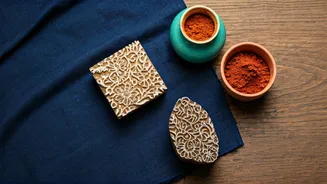
Jivya distinguishes between 'artisans' (kalakars) and 'skilled workers' (karigars), a crucial distinction that informs their collaborative approach. While skilled workers excel at specific techniques within defined areas, artisans carry forward generational art forms, possessing a deep, intuitive knowledge refined over years of legacy learning. This unparalleled depth is central to Jivya's philosophy. Instead of having artisans simply construct garments, they are empowered to create the foundational elements: weaving fabrics, spinning yarns, developing natural prints using resist mediums like soil and wax, and executing embroidery with a precision unmatched by machines. The skilled workers then skillfully translate these artisanal creations into finished garments through precise pattern-making, stitching, and finishing. This division of labor respects the unique contributions of each individual, ensuring that heritage arts are preserved and celebrated within the manufacturing process. It's a system built on recognizing and valuing distinct forms of mastery and dedication.
Balancing Tradition, Innovation
Jivya achieves a delicate balance between innovation and heritage arts, particularly when working with over 150 artisan clusters, by meticulously managing a complex supply chain built on human connections. On a technical level, the brand's in-house chemistry and science expertise ensures a consistent 100% plant-based approach, primarily due to their vertical integration. The more nuanced aspect lies in collaborating with artisan clusters, where Jivya respects their natural and seasonal rhythms. For instance, knowing that many master weavers are also farmers, orders are consciously avoided during sowing or harvesting seasons. Similarly, hand-block printers' capabilities for plant-based prints are considered around the monsoon season, with planning adjusted accordingly. Generational embroiderers, requiring both time and precision for intricate motifs, are engaged up to six months in advance to accommodate their meticulous process. Ultimately, this approach prioritizes understanding the people behind the craft over purely business objectives. To overcome potential communication barriers, Jivya employs a system combining sketches with written instructions, ensuring clarity and minimizing miscommunication.
Innovative Materials and Storytelling
A significant focus for Jivya is the utilization of hyperlocal materials, sourced as extensively as possible from Indian farms. This intentionality addresses the fact that a considerable amount of cotton and hemp used in India is actually imported from China. The brand actively works with indigenous cotton varieties and promotes hand-spun, handwoven hemp. Furthermore, Jivya is reimagining materials like jute, moving beyond its traditional perception as a coarse, purely functional fabric. Central to their process are plant-based dyes, for which they have developed proprietary formulations to ensure these natural colors are both long-lasting and competitive with, or even superior to, conventional fashion standards. This is an ongoing exploration, with continuous research into new native fibers, plant-based finishes, and experimental color formulations, reflecting the persistent scientific curiosity driving the brand. This commitment to innovative materials is intertwined with the stories of the artisans and the heritage crafts, making each piece a narrative.
Ethical Foundations Viable
Sustainability at Jivya is intrinsically linked to strong ethical commitments, including fair wages, complete traceability, and a dedication to zero waste. The brand firmly believes that these practices – fair compensation, transparency in material sourcing, and minimizing unnecessary waste – should be the fundamental baseline for all businesses. It is concerning that these core principles are sometimes perceived as non-viable or idealistic, raising questions about the conventional system that often prioritizes profit above all else. Jivya operates against this prevailing tide, understanding that the current business model has pushed planetary boundaries to their limits, contributing to pollution, global warming, climate change, and societal degradation. Their choice to exist is a conscious one: they prefer to grow slowly and responsibly, rather than pursuing rapid expansion at the expense of the planet. This ethical framework isn't just a feature; it's the very reason for their existence, demonstrating that responsible business practices can indeed be viable.