



The Cozy Deception
During colder seasons, the convenience of drying laundry on radiators seems like a smart hack, offering a dual benefit of quick drying and natural humidification
for dry indoor air. However, beneath this seemingly innocent practice lies a complex phenomenon. What appears to be a simple drying solution can transform the mundane substance of dust into a trigger for respiratory problems. Instead of inert specks, dust is a composite of various elements, including shed skin cells, pet dander, and airborne pollens. When these particles are exposed to the intense heat from domestic heating systems, they undergo a transformation, becoming more active and potentially harmful to our lungs. The perceived benefits of using radiators for laundry may be overshadowed by an unseen consequence on indoor air quality.
Unleashing Ultrafine Particles
The real danger from radiator-dried laundry isn't the visible dust bunnies, but the incredibly tiny particles released during the heating process. When dust reaches temperatures between 120 and 180 degrees Fahrenheit, its structural integrity changes, leading to the emission of ultrafine particles. These minuscule airborne contaminants are so small that they can penetrate deep into our respiratory system, bypassing our body's natural defense mechanisms. Research, including a significant study focusing on this process, has demonstrated that heating indoor dust significantly increases the presence of sub-micron particles. These particles are essentially condensation nuclei formed as volatile compounds or moisture are vaporized from the dust by the radiator's heat. Being extremely lightweight, they can remain suspended in your living space for extended periods, often long after the clothes have been removed and put away, silently impacting the air you breathe.
Radiators as Particle Emitters
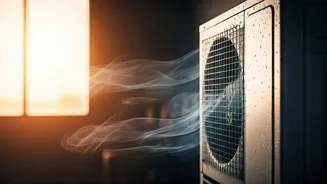
This scientific investigation highlights that radiators, far from being just passive heat sources, can actively contribute to indoor air pollution, especially if they are not maintained regularly. The act of drying clothes on hot radiators doesn't simply warm the clothes; it amplifies the release of dusty air already present on the heating elements. Essentially, the radiator becomes a direct source of particles when laundry is placed upon it, exacerbating the issue. This underscores the importance of keeping radiators clean and managing other potential sources of indoor dust. Neglecting radiator maintenance can turn these essential winter appliances into contributors to compromised air quality, particularly concerning for individuals with pre-existing respiratory conditions.
Protecting Vulnerable Lungs
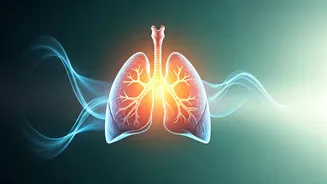
The implications of these ultrafine particles are particularly serious for vulnerable populations, including children, the elderly, and individuals suffering from asthma or allergies. Due to their extremely small size, these particles can cause significant irritation when they infiltrate the lungs. In areas with poor ventilation, the concentration of these harmful particles can become alarmingly high. Guidelines from organizations like the Environmental Protection Agency (EPA) emphasize that controlling the sources of these particles is the most effective strategy for maintaining healthy indoor air. The EPA specifically warns that particles smaller than 2.5 micrometres pose a significant risk, as they can enter the bloodstream and adversely affect both lung and heart function. By using radiators as makeshift drying racks, we inadvertently create a significant source of indoor pollution within our homes, where we spend the majority of our time during winter.
Controlling Indoor Dust
While completely eliminating indoor dust is an impossibility, and its inherent behavior is beyond our direct control, we can certainly manage and mitigate its impact on our health. The EPA points out that common activities like general disturbances and heating significantly contribute to lifting dust from surfaces into breathable air. Therefore, hanging damp clothes near a heated radiator presents a particular challenge, especially for those sensitive to poor air quality. This practice creates an unnecessary particulate pollution scenario. Understanding these dynamics is key to making informed decisions about indoor drying methods and maintaining a healthier living environment for everyone in the household, particularly during the colder months when indoor air quality is more critical.
Smart Drying Strategies
To enjoy fresh, dry clothes without compromising indoor air quality, it's essential to create a separation between the heat source and the drying laundry. A practical approach involves using a portable folding drying rack positioned a few feet away from the radiator. This method allows the clothes to benefit from the ambient warmth in the room without direct contact with the hot radiator surface, preventing the overheating of dust. By positioning the rack thoughtfully, you can achieve more even heat distribution throughout the space, facilitating effective drying. This simple adjustment significantly reduces the direct release of heated dust particles into your living environment, making your laundry process healthier.
Radiator Maintenance Matters
Regular maintenance of radiators is crucial but often overlooked. Before the onset of the heating season, a thorough cleaning of the radiator fins is highly recommended. Using a damp cloth or a specialized radiator cleaning brush can significantly reduce the amount of dust available to be heated and aerosolized. If you frequently rely on indoor drying methods, investing in an air purifier equipped with a HEPA filter can offer an additional layer of protection. These devices are specifically engineered to capture extremely fine airborne particles, effectively removing them from your indoor air. Such proactive measures can contribute substantially to a cleaner and healthier living atmosphere.
Healthier Home Environment
By implementing a few straightforward modifications, such as repositioning your drying rack and diligently cleaning your heating elements, you can effectively achieve a warm and comfortable home throughout the colder months without exposing yourself to the detrimental effects of radiator dust. These simple adjustments can make a significant difference in the quality of your indoor air. Prioritizing these practices ensures that you can enjoy the warmth and convenience of indoor drying without the unwanted consequence of airborne irritants. Creating a healthier indoor environment is achievable with mindful choices and consistent habits.