




Dal Nutrition Demystified
In the realm of Indian kitchens, dals are more than just a culinary staple; they're a foundational source of essential nutrients like protein and fiber,
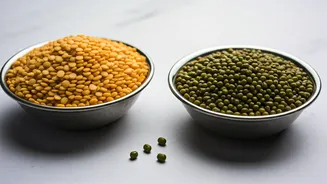
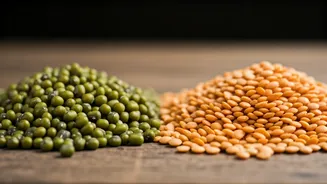
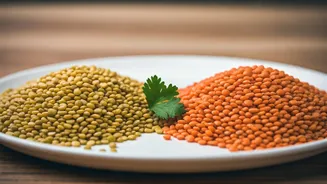
and are increasingly scrutinized for their role in fitness regimens. When the focus shifts to weight management, two common varieties, moong dal and arhar (toor) dal, often spark debate about which offers superior benefits. While both are nutritious and incredibly versatile, subtle variations in their calorie count, protein composition, ease of digestion, and the duration they keep you feeling full can significantly influence dietary strategies. Some individuals gravitate towards moong dal for its perceived lightness and rapid digestion, while others find arhar dal to be a more substantial and familiar component of their daily meals. It's crucial to remember that achieving weight loss is seldom attributed to a single food item; cooking techniques, serving sizes, and accompanying dishes all play a vital role in the overall impact on calorie consumption and nutritional intake. Understanding these nuanced differences allows for informed decisions without sacrificing the enjoyment of beloved foods.
Calorie and Nutrient Showdown
Delving into the nutritional specifics, consultant dietitian Kanikka Malhotra explains that both moong dal and arhar dal are excellent, low-fat pulses conducive to weight loss efforts. When prepared and consumed per 100g, moong dal typically contains approximately 120-140 calories, offering about 7-8g of protein and 4-5g of fiber. In comparison, arhar dal provides a slightly higher calorie range of 130-150 kcal per 100g, with a comparable protein content of 7-8g, but boasts a marginally higher fiber content, ranging from 5-6g. Malhotra points out that moong dal has a slight edge due to its lower caloric density and less complex fiber structure, which contributes to easier digestion and enhanced satiety relative to its calorie count. While neither dal is dramatically superior, moong dal's more subdued nutritional profile is often favored for supporting moderate calorie deficits essential for effective weight loss.
Satiety and Digestion Insights
The impact of fiber and protein quality on satiety and blood sugar management is a key consideration for weight loss. Malhotra notes that the fiber and quality protein in moong dal work synergistically to slow down digestion, promoting steady blood sugar levels and preventing the sharp dips that can lead to intense hunger pangs. Arhar dal also contributes to satiety through its higher fiber content; however, some individuals may find it heavier or experience bloating due to its composition, and it can have a slightly higher glycemic index. Moong dal generally digests more smoothly, allowing for consistent eating patterns without digestive discomfort. Both dals are beneficial for muscle building, but moong dal offers a quicker energy release, making it suitable for active days. This smoother digestion and energy profile makes moong dal a preferred choice for maintaining a consistent eating schedule while managing calorie intake and supporting overall well-being during a weight loss journey.
Smart Portions and Prep
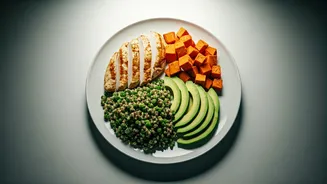
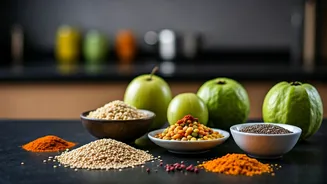
For individuals focused on weight loss, expert Kanikka Malhotra recommends an ideal portion size of 30-40 grams of dry dal. This translates to roughly half to three-quarters of a cup when cooked, equating to approximately 100-120 calories. To prepare, soaking the dal is advised before pressure cooking: moong dal requires about 20-30 minutes, while arhar dal takes 40-50 minutes. Incorporate a teaspoon of oil, turmeric (haldi), and cumin seeds (jeera) during cooking. To maximize fiber intake without adding significant calories, pair the dal with leafy greens like spinach (palak) or bottle gourd (lauki), a fresh, crunchy salad, or a single roti. It's advisable to avoid heavy tempering (tadka) that can increase the calorie count. Malhotra suggests that moong dal is particularly well-suited for lighter evening meals, aiding in maintaining weight loss progress.