
Define Personal Style
The cornerstone of a well-curated wardrobe is understanding your individual style preferences. Begin by identifying what truly resonates with you. This
involves considering the colors, patterns, and silhouettes that you naturally gravitate towards. Delve into fashion magazines, explore online platforms such as Pinterest and Instagram, and pay attention to how others dress, noting what catches your eye. However, the most vital aspect is to assess your lifestyle. Does your daily routine demand professional attire, or is a casual aesthetic more fitting? The objective is to identify a style that aligns with your personality while also remaining functional for your day-to-day activities, establishing a firm base for future wardrobe decisions.
Essential Wardrobe Staples
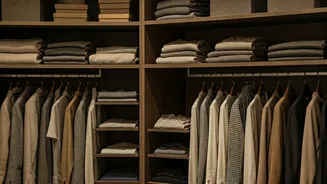
Once you've defined your personal style, the next step involves assembling the essential items that serve as the foundation of your wardrobe. These are the versatile pieces that can be mixed and matched to create numerous outfits. The exact specifics will vary depending on your personal style, but generally, this involves items like a well-fitted blazer, versatile trousers in neutral hues such as black, navy, or khaki, a classic white shirt, and a comfortable sweater. Furthermore, a high-quality denim jacket or jeans should also be included. These pieces are not only long-lasting but also act as a building block for a diverse array of outfits. Prioritize quality materials and fits that flatter your physique; they are investments that will serve you well for years to come.
Quality Over Quantity
A common misconception about building an effective wardrobe is that more clothes equate to more style, but this is far from the truth. The notion of 'quality over quantity' should be central to your mindset. Instead of accumulating a mass of low-quality, disposable items, invest in fewer pieces of superior construction. Focus on garments crafted from durable materials, with careful attention to detail, and a well-thought-out design. These items not only look better but also last much longer. Moreover, this approach promotes a more sustainable way of consuming fashion, leading to fewer impulse purchases and a wardrobe filled with clothes you genuinely love and wear often. The key is to shop deliberately, focusing on purchasing pieces that truly resonate with you and serve multiple purposes.
Mastering Mix-and-Match
The art of mix-and-match is a crucial skill for maximizing your wardrobe's potential. It involves the ability to blend different pieces in a variety of ways to create diverse and interesting ensembles. Begin by considering how your core essential items coordinate with each other. Explore different combinations, such as pairing a blazer with various tops and bottoms, or a white shirt with jeans or dress pants. The key to successful mixing and matching lies in understanding the interplay of colors, patterns, and textures. Consider incorporating a unifying element, such as a consistent color palette or a shared style theme, to ensure cohesion. Accessorizing well – adding scarves, jewelry, belts, and bags – can elevate the entire look and provide opportunities for further customization.
Accessorizing for Impact
Accessories have the remarkable ability to transform any outfit, breathing life into the most basic ensembles. They are the details that elevate the entire look. They can introduce visual interest, inject personality, and express your individual style. Focus on selecting a few versatile accessories that complement your wardrobe. A classic watch, a statement necklace, elegant earrings, or a timeless belt are essentials. Experiment with different textures, such as leather, silk, or metal, to add depth to your outfits. Keep in mind that accessorizing is about balance – don't overdo it. The goal is to enhance, not overwhelm, and to ensure that your accessories align with your overall look, ensuring a polished and considered appearance.
Seasonal Wardrobe Transitions
As the seasons change, it's necessary to adjust your wardrobe accordingly. The transition process involves the strategic selection of items that can be layered or adapted to suit varying weather conditions. Begin by putting away seasonal items that you won't need in the current season, like heavy winter coats during summer. Then, focus on layering key items. For instance, in the colder months, combine sweaters with vests or jackets. During warmer times, select lightweight fabrics and breathable materials. Consider your climate's specific needs when deciding which items to keep accessible throughout the year. The aim is to have a functional collection that provides both comfort and style, regardless of the weather conditions.
Care and Maintenance
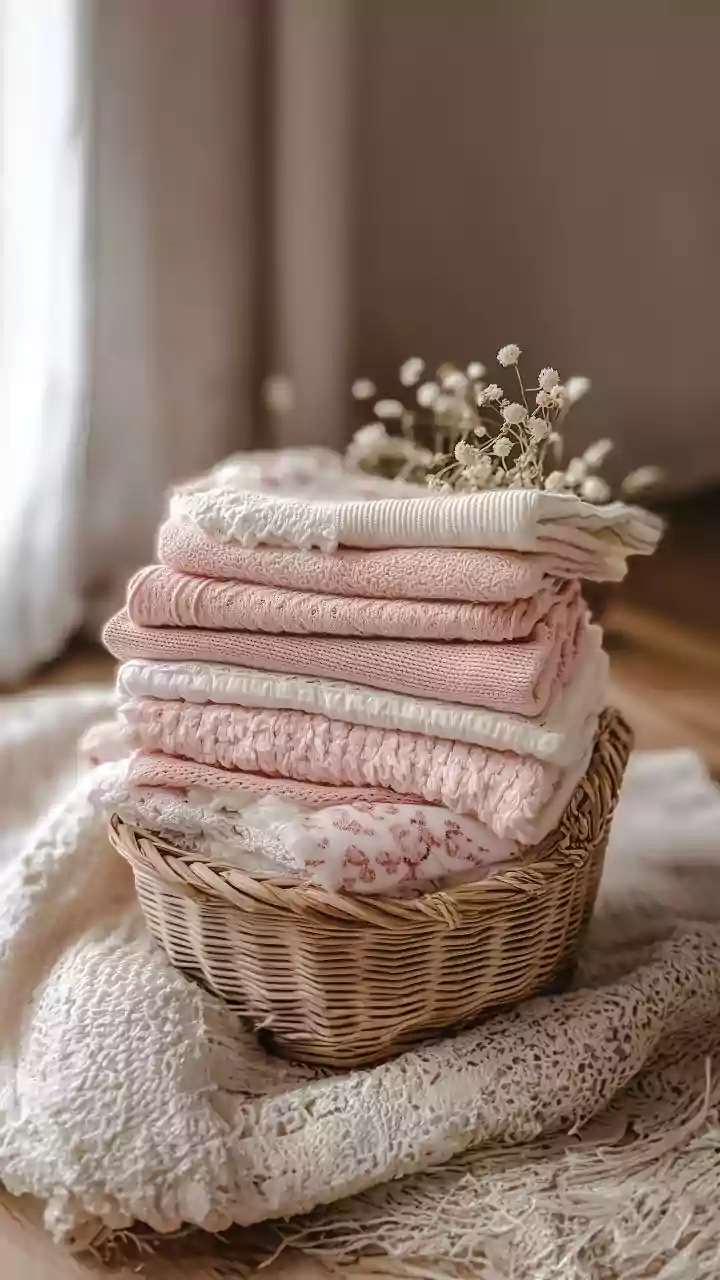
Proper care and maintenance significantly extend the lifespan of your clothing and make sure your collection looks its best. Always refer to the care label instructions before washing or cleaning any garment. Develop good laundry habits, such as separating clothes by color and fabric type. Invest in a good quality detergent and avoid overcrowding your washing machine. After washing, hang your clothes carefully or fold them neatly to prevent wrinkles. Consider investing in a garment steamer to gently remove wrinkles and refresh clothing. Regular maintenance, such as patching small tears or replacing missing buttons, is also essential. By adopting these methods, you are not only preserving your clothing's lifespan but also helping to maintain its appearance and ensure it looks its best.