

Understanding Sun Tanning
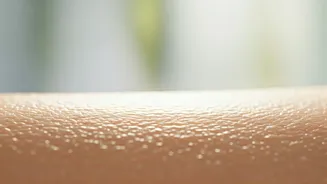
Summer days can leave your skin darker, a natural defense mechanism where your body produces melanin to shield against UV radiation and prevent DNA damage.
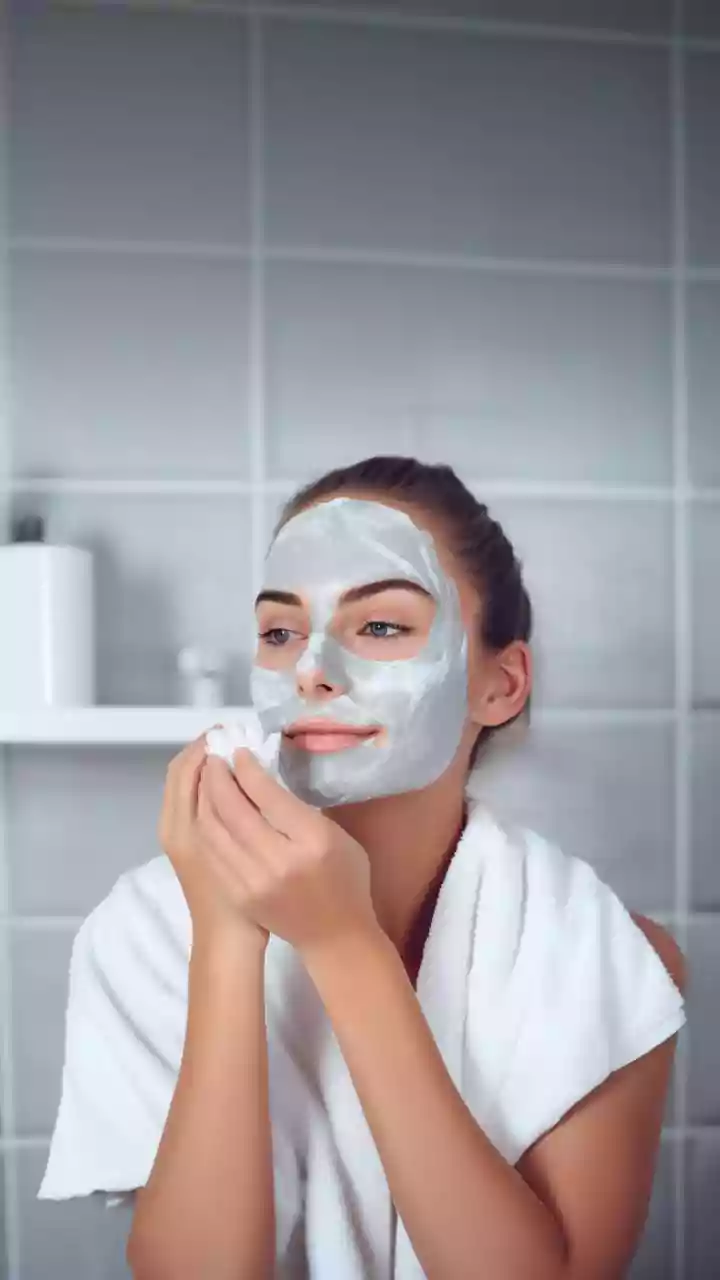
While a tan typically fades over three to four weeks as skin cells naturally shed, many seek faster solutions. This process of cellular turnover can be safely accelerated using readily available ingredients from your kitchen, transforming traditional remedies into modern skincare solutions.
The Danger of Lemon
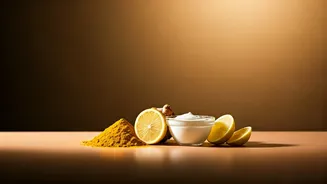
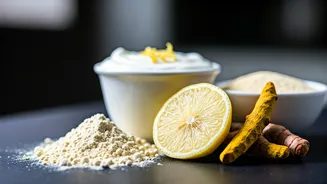
Many online 'hacks' suggest applying raw lemon juice to lighten dark spots and tan. However, this is strongly advised against. Lemon juice, with its highly acidic pH of approximately 2, severely damages the skin's natural protective barrier. Furthermore, exposure to sunlight after applying citrus can lead to phytophotodermatitis, a painful blistering reaction resembling a chemical burn. It's crucial to discard such harsh methods and opt for gentler, proven alternatives.
Yogurt: The Gentle Exfoliator
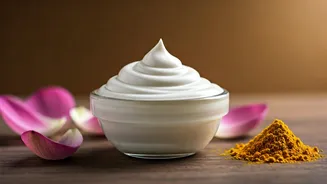
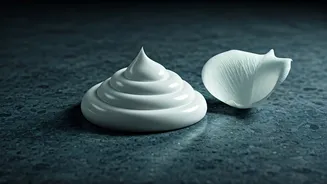
Yogurt, or curd, is a powerhouse for skin due to its lactic acid content, a natural Alpha Hydroxy Acid (AHA). AHAs are celebrated by dermatologists for their ability to break down the chemical bonds that hold dead, pigmented skin cells together. This gentle exfoliation process leads to a brighter complexion without the risk of micro-tears often associated with abrasive physical scrubs, making it ideal for achieving smoother, clearer skin.
Besan: Absorbing Excess Oil
Gram flour, known as besan, is an excellent ally for skin prone to oiliness, especially during humid summer months. It provides a mild form of physical exfoliation, effectively removing the outermost layer of dead skin cells. Simultaneously, besan acts like a sponge, absorbing excess sebum and impurities, making it a fantastic cleansing agent for maintaining clear and balanced skin.
Turmeric: Pigment Control
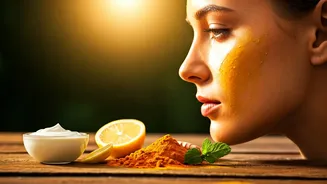
Turmeric, or haldi, is renowned for more than just its vibrant colour; its active compound, curcumin, is a potent antioxidant. Scientific studies indicate that curcumin plays a significant role in regulating melanin production. A small, judiciously applied amount can effectively target hyperpigmentation and dark spots, contributing to a more even skin tone without causing staining.
Papaya & Aloe Vera
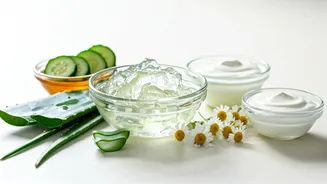
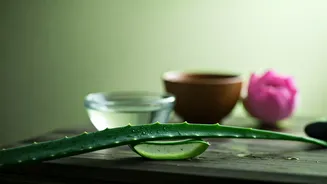
For those with dry or sensitive skin, a mixture of ripe papaya and fresh aloe vera gel offers a nurturing solution. Papaya's natural enzymes, particularly papain, gently break down dead skin proteins without abrasive friction, providing a soothing exfoliation. Aloe vera, beyond its cooling properties, contains 'aloin,' which inhibits melanin synthesis and significantly hydrates the skin barrier, reducing inflammation and replenishing moisture.
Tomato: Instant Refresh
Tomatoes, rich in lycopene, help combat ongoing UV damage and possess mild natural acids. A quick application can serve as an effective astringent, instantly revitalizing a dull or sun-exposed complexion. This helps to tighten pores and provide a refreshing boost, making the skin appear more toned and vibrant after sun exposure.
Post-Treatment Protection
It is critical to understand that after accelerating skin cell turnover, your new, delicate skin becomes exceptionally vulnerable. Stepping out in the sun without adequate protection, such as a broad-spectrum SPF 50 sunscreen, will lead to immediate re-tanning or burning. Shielding your revitalized skin is paramount to allowing the natural healing and brightening process to complete effectively.