





Decoding Genetic Risk
Actress Soha Ali Khan, at 47, shared insights from her recent health check-up, revealing a genetic marker that indicates a predisposition to heart disease.
Despite her current blood test showing favorable levels – low LDL (bad cholesterol) and high HDL (good cholesterol) – she understands the need for even stricter cholesterol management due to this genetic factor. This situation highlights that a predisposition doesn't necessarily mean immediate illness, but rather an increased inherent tendency. As Dr. Parin Sangoi, a consultant interventional cardiologist, explains, even with seemingly normal or good report values, individuals with a genetic predisposition to heart conditions must maintain their cholesterol levels at even lower thresholds than the general population. This proactive stance is crucial for mitigating long-term risks and preventing potential future complications, underscoring that personal genetics can significantly influence the ideal target ranges for various health markers, even when external indicators appear positive.
Cholesterol: Beyond Numbers
Even when cholesterol readings appear excellent, with low LDL and high HDL, a genetic predisposition to heart disease necessitates a more vigilant approach. Dr. Sangoi emphasizes that for individuals carrying such genetic risks, the recommended target for LDL cholesterol is often set even lower than the standard optimal range. This isn't a cause for alarm but rather a strategic measure to proactively safeguard heart health and avert potential cardiovascular events. The understanding is evolving, with more individuals recognizing that genetic factors can play a substantial role in their overall cardiac well-being, irrespective of current test results. Consequently, this often leads to the adoption of more stringent lifestyle modifications and a more deliberate focus on dietary choices to counterbalance these inherent risks effectively.
The Mediterranean Advantage
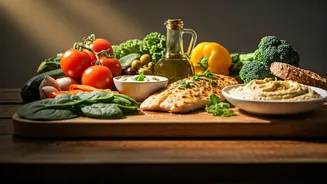
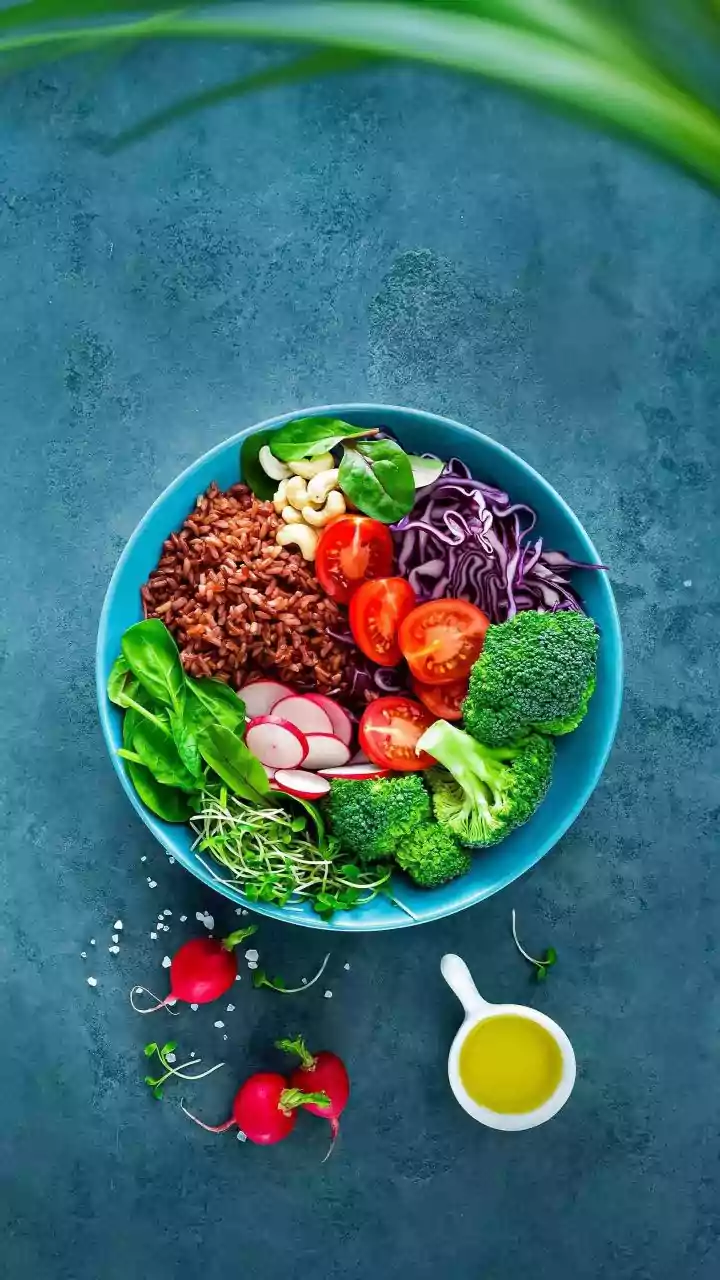
Adopting a diet akin to the Mediterranean pattern can be highly beneficial for maintaining heart health. This dietary approach centers on an abundance of fresh, whole foods, including fruits, vegetables, lean proteins, nuts, and seeds, with a strong emphasis on healthy fats like olive oil. Such a diet actively contributes to managing cholesterol levels, reducing systemic inflammation, and fostering overall physiological balance. Dr. Sangoi highlights that consistent adherence to healthy eating habits is far more impactful than sporadic healthy choices. The focus on unprocessed ingredients and nutrient-rich foods helps create a supportive environment for the cardiovascular system, especially when combating genetic predispositions. This pattern of eating aligns well with Soha Ali Khan's personal commitment to a healthy lifestyle, reinforcing the idea that informed dietary choices are a cornerstone of preventive heart care.
Wise Oil Choices
When it comes to cooking oils, the emphasis should be on moderation and selecting options with beneficial fat profiles, rather than focusing solely on a single 'best' type. Dr. Sangoi suggests that instead of relying heavily on processed or repeatedly heated oils, it's more advantageous to utilize fresh oils and vary the choices. Options such as olive oil, mustard oil, or other oils with a balanced fatty acid composition are recommended. Crucially, the method of oil usage often plays as significant a role as the type of oil itself; for instance, avoiding overheating oils is key. For those managing genetic predispositions, making informed choices about fats and oils, alongside consistent healthy eating and regular medical check-ups, becomes a powerful tool in maintaining long-term cardiovascular health.