



The Rubber Band Rescue
Encountering a stripped screw head during a home renovation can be a significant setback, turning a manageable task into a source of frustration. When
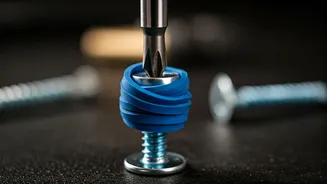
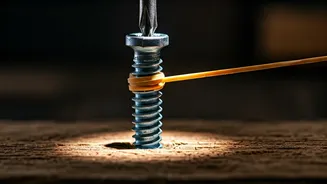
a screwdriver bit spins uselessly within the damaged head, leaving behind metal shavings and a stubbornly stuck screw, it often feels like the project is doomed. Before reaching for specialized tools or abandoning the task, consider a remarkably simple solution readily available in most households: a common rubber band. By placing a wide rubber band over the compromised screw head, you create a temporary, yet effective, friction layer. When you re-insert your screwdriver and apply downward pressure, the rubber band fills the stripped gaps, allowing the tool to grip the metal once more. This allows you to exert the necessary torque to finally loosen and remove the offending screw, turning a potential disaster into a minor inconvenience. This ingenious method leverages basic mechanical principles to restore grip and allow for screw extraction.
Understanding Screw Failure
To fully appreciate the efficacy of the rubber band trick, it's beneficial to understand why screws become stripped in the first place. Stripping typically occurs when the force applied by the screwdriver exceeds the screw head's ability to provide grip, leading to the driver camming out and abrading the metal. This phenomenon, where the tool slips and grinds away the head's recesses, is not unique to home repairs; it's even observed in intricate medical procedures like bone repairs. Research has highlighted that the depth of a screwdriver's engagement with the screw head is paramount in preventing slippage. When a screw is stripped, this crucial engagement is lost. The rubber band acts as a filler, effectively restoring this lost engagement by conforming to the damaged shape and creating a custom interface. This allows the screwdriver to bite into the screw head once again, enabling it to be turned and removed.
Preventing Stripping Woes
While the rubber band method is a fantastic fix, the most effective approach is always prevention. To avoid stripping screws, it's crucial to use the correct screwdriver size and type for the screw head. If you notice your screwdriver beginning to slip, stop immediately. Continuing to force it will only further damage the screw head, making it smoother and harder to grip. Professionals often recommend applying steady, direct downward pressure while turning the screwdriver to ensure optimal engagement. In situations where stripping is a persistent issue, consider using screws with alternative head types, such as hex or Torx, which are generally more resistant to stripping than traditional Phillips heads. By adopting these mindful practices, you can significantly reduce the likelihood of encountering stripped screws and ensure smoother project completion.
Advanced Extraction Tactics
For those exceptionally stubborn screws that even a rubber band cannot conquer, more advanced techniques are available. In professional settings, like orthopaedic surgery, specialized tools such as a 'hollow mill' are used to carefully cut around a stuck screw without damaging surrounding materials. While you likely won't need surgical instruments for household repairs, the principle is similar to using a commercial screw extractor. These tools are designed to be inserted into the center of the damaged screw head, creating a new point of purchase to pull the screw out from within. Additionally, a small amount of wax or lubricant applied to the screw threads before insertion can significantly ease the process of driving screws, reducing friction and the potential for stripping. Combining these professional tips with everyday ingenuity can equip you to tackle almost any hardware challenge.