


Colour That Transforms
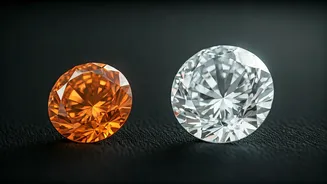
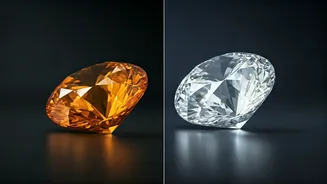
Contemporary jewelry is breaking free from its static past, with designers now infusing pieces with dynamic color-changing capabilities. This phenomenon
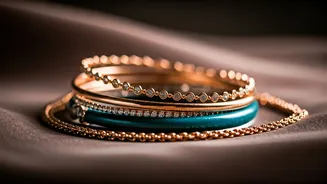
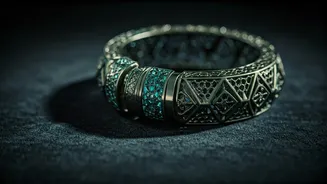
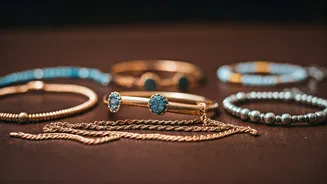
is achieved through sophisticated techniques like photochromic finishes and layered gemstone settings, all designed to interact with ambient light. At the heart of this innovation lies the use of light-sensitive pigments, often embedded within enamels. When exposed to ultraviolet light, these pigments undergo a temporary molecular alteration, resulting in a noticeable shift in color. Once the light source is removed, the material gracefully reverts to its original hue, creating a reversible and captivating visual experience. Jewelers meticulously integrate this technology, ensuring that the color transformation is both striking and subtle, enhancing specific design elements without compromising the piece's overall integrity or wearability. The artistry lies in balancing the material's responsiveness with its stability, guaranteeing a refined effect that feels personal and almost magical as it subtly reacts to the environment, turning ordinary moments into visually engaging ones.
The Luminescent Touch
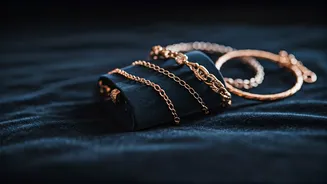
A truly captivating advancement in recent jewelry design is the emergence of pieces that emit a soft, ethereal glow in low-light conditions. This isn't a garish neon effect, but rather a refined luminescence that adds a secret, enchanting quality to fine jewelry. Imagine a bracelet catching a faint shimmer as you move into dimmer surroundings, creating a cinematic yet entirely wearable aesthetic. When thoughtfully engineered into materials like 14-karat gold, this innovative glow feature doesn't detract from elegance; instead, it amplifies it with a touch of unexpected wonder. This 'firefly moment' adds an emotional depth and a playful narrative to the jewelry, making it a piece that holds both beauty and intrigue, particularly appealing to a generation that values surprise and personal expression in their adornments. It's a testament to how technology can enhance, rather than overpower, the inherent beauty and sophistication of precious materials.
Engineered for Movement
A significant evolution in experimental jewelry lies in its dynamic interaction with the wearer and their surroundings. Beyond color-shifting stones, this includes intricate enamel work that seems to capture and play with sunlight in almost kinetic ways. The engineering behind these pieces has also been refined, leading to lighter constructions, more intuitive clasps, and sleeker settings. This design philosophy emphasizes that one isn't just wearing random adornments but pieces born from thoughtful design and innovation. The incorporation of subtle, night-time luminescence, once a radical idea, is now a celebrated feature, offering an exciting and intentional dimension to fine jewelry. It strikes a delicate balance, remaining elegant enough for any occasion while being distinctive enough to spark curiosity and conversation, a sweet spot that resonates strongly with younger buyers seeking jewelry that acts as a true extension of their personality.
The Power of Lightness
The focus on lightweight engineering in jewelry is a crucial development, addressing the practical comfort of wear. Anyone who has experienced mid-day discomfort from heavy earrings understands the importance of this innovation. Modern jewelry design prioritizes structural lightness without compromising the piece's durability or integrity, particularly when working with gold karats like 14, 9, and 18. The choice of gold purity is paramount, influencing its strength, weight, and overall resilience. For individuals with active lifestyles, 14-karat gold often provides an excellent compromise between robustness and its characteristic color. Meanwhile, 18-karat gold offers a richer hue and a more refined aesthetic, while 9-karat gold allows for greater design flexibility and enhanced durability. Selecting the right karat should align with one's daily activities, ensuring that fine jewelry transitions seamlessly from professional settings to evening engagements without a second thought, thereby making it truly wearable for every moment.
Craftsmanship Amplified by Tech
The integration of technology into jewelry design is not about replacement but enhancement of traditional craftsmanship. Advanced computer-aided design (CAD) software empowers designers to create incredibly intricate forms while ensuring their structural soundness. Precision laser techniques enable the creation of delicate patterns that were previously unachievable with conventional tools. Furthermore, material science plays a vital role in the safe and effective incorporation of innovative features, such as glow effects and color transitions, into fine jewelry. Industry reports highlight a growing consumer preference, especially among those under 35, for brands that skillfully merge artisanal techniques with cutting-edge innovation and personal expression. This represents a fundamental shift in consumer behavior, where buyers are investing not just in gold, but in the narrative, the scientific ingenuity, and the emotional resonance embedded within each piece.
Expressive & Engaging
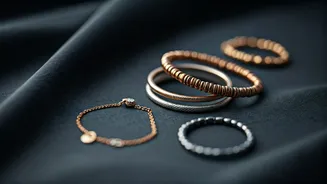
The enduring questions around the value and wearability of fine jewelry, particularly for daily use, are increasingly being answered by experimental designs. Today's younger consumers, like Gen Z, are moving away from jewelry that feels imposing or overly formal. Instead, they seek pieces that are expressive, fun, and offer an element of surprise – a mood rather than a strict dictate. Features like subtle glow accents, interactive color-shifting elements, and effortlessly stackable lightweight rings align perfectly with this desire. This new wave of fine jewelry is designed to adapt to an individual's personality and lifestyle, rather than demanding a specific ceremonial context. It’s about creating pieces that resonate on a personal level, offering both aesthetic appeal and a sense of playful engagement for the wearer.
Tradition Reimagined
The beauty of the current phase in jewelry design lies in its ability to reimagine tradition rather than discard it. The inherent value of gold and the sanctity of skilled craftsmanship remain foundational. However, there is now ample space for the incorporation of playful elements like glow-in-the-dark features, vibrant color interplay, and intelligent, lightweight engineering. This dynamic energy is what defines the landscape of experimental fine jewelry today. It's not about ostentation or being overly flashy, but about infusing pieces with a sense of life and vivacity. Ultimately, this signifies a return to jewelry's potential purpose: not to be stored away, but to be actively lived with and cherished in the fabric of everyday life.