




Redefining Couple's Travel
The notion of togetherness during travel often implies sitting side-by-side, but a growing number of couples are finding a different path to a more harmonious
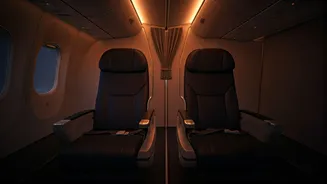
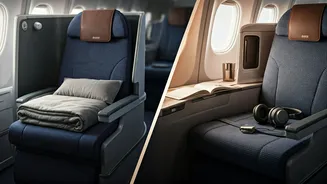
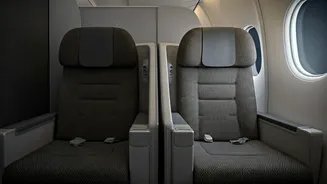
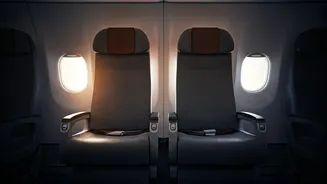
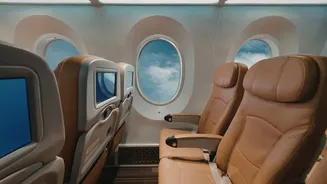
journey through a practice known as 'seat divorce.' This isn't about marital discord; rather, it's a conscious decision to opt for individual seating arrangements on flights. Imagine the exhaustion after a taxing day of travel, managing logistics, and dealing with children, only to face a partner's need for an intense conversation at 35,000 feet. For many, the immediate need is for personal space and quiet to decompress. 'Seat divorce' offers this vital respite, allowing each individual to sleep, read, or simply zone out without the pressure of constant proximity. This deliberate physical separation, whether in adjacent aisles, window seats, or even different rows, is proving to be a surprisingly effective strategy for preserving and enhancing emotional connection, ultimately making the entire trip, and the time spent together post-flight, significantly more enjoyable and less fraught with unspoken frustrations.
Practicality Meets Romance
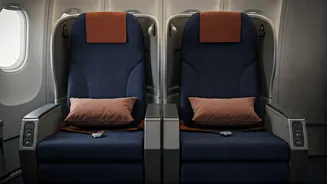
While some might view sitting apart on a plane as counterintuitive to a couple's intimacy, modern couples are embracing 'seat divorce' as a pragmatic and even romantic choice. The conventional expectation often leads to elaborate seat-swapping and compromises that result in partners being disengaged, glued to their phones, or simply enduring discomfort. This 'performance' of togetherness can detract from genuine connection. 'Seat divorce' flips this script, enabling each partner to secure their preferred seat—be it a coveted window or an easily accessible aisle—without the dreaded middle seat squeeze. This is particularly beneficial for those who find the middle seat physically uncomfortable, ensuring neither partner suffers in silence. Much like the concept of 'sleep divorce,' where separate rooms improve rest, couples are reporting that the physical separation on flights leads to a marked improvement in the quality of their interactions once they disembark, making shared time more meaningful and less strained.
Strengthening Bonds
The benefits of 'seat divorce' are increasingly recognized by relationship experts. Therapists note that our culture often incorrectly equates constant physical proximity with a healthy relationship, leading to external judgments when couples choose to sit apart. However, the reality is that continuous side-by-side closeness can sometimes lead to a subtle disconnect, where individuals become background noise to each other rather than actively engaged companions. By choosing separate seats, couples report a more intentional approach to reconnecting. Brief, deliberate interactions—sharing a movie recommendation, a shared laugh over a snack, or a quick check-in—can feel far more significant than hours of passive co-presence. This intentionality fosters a deeper appreciation for the moments they do share, turning travel time from a potential source of friction into an opportunity to recharge individually before engaging as a couple.
Comfort and Peace
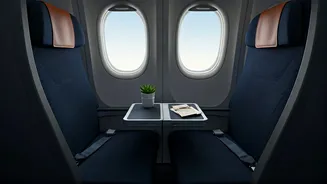
Beyond the emotional advantages, the practicalities of modern air travel make 'seat divorce' a sensible choice. The cramped conditions, frequent delays, and general chaos of airports can make any extra comfort invaluable. For couples, this often means avoiding the universally unpopular middle seat, allowing both individuals to have a more comfortable journey, whether they prefer the view from a window or the convenience of an aisle. This simple act of securing preferred seating significantly enhances the travel experience, especially on longer flights. Furthermore, the emotional benefit of having personal space to unplug, decompress, and recharge without the subtle pressure of constant couple interaction is substantial. For a parent who has managed a toddler through a long journey or a partner who has just navigated a stressful work trip, this quiet time is crucial for restoring energy and patience, ensuring they can be more present and considerate upon arrival.
Communication and Balance
The success of 'seat divorce,' like any aspect of a relationship, hinges on open communication and mutual respect. It's not about avoidance but about acknowledging and honoring individual needs. Couples who practice this trend often discuss their preferences beforehand, considering factors like who needs more personal space or who finds certain seating arrangements particularly uncomfortable. This collaborative approach strengthens trust and ensures decisions are made as a team, preventing resentment or one-sided sacrifices. At its core, 'seat divorce' highlights the importance of balance, ensuring neither partner consistently compromises their comfort or needs for the sake of perceived togetherness. It offers a tangible way to reclaim personal space, fostering a healthier dynamic within the relationship, both during travel and in daily life.
Personal Space = Strength
Far from being an indicator of relationship trouble, 'seat divorce' is increasingly viewed as a sign of a strong, mature partnership. Many couples find that the allowance of personal space during travel actually deepens their mutual affection. By not having to contend with minor irritations like armrest battles or earbud tangles, they arrive at their destination feeling more relaxed, refreshed, and generous towards each other. This positive emotional state sets a much better tone for the entire trip. In essence, 'seat divorce' reflects a broader evolution in how couples understand intimacy. It's moving beyond mere physical closeness to embrace emotional attunement, effective communication, and a deep respect for each other's boundaries and individual needs, ultimately making shared experiences more rewarding.