






The Illusion Explained
Optical illusions are more than just visual tricks; they act as fascinating windows into our subconscious processing and how we navigate the world, including
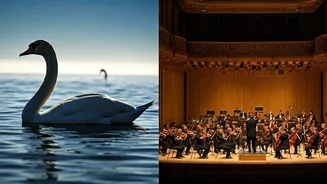
our interpersonal dynamics. This particular image presents a dual perception, forcing your brain to make an immediate choice between two distinct interpretations. You're either presented with the serene image of swans gracefully navigating water, or you notice the subtle depiction of an orchestra nestled within mountainous terrain. The element that captures your attention initially isn't a random occurrence; rather, it's claimed to be a direct reflection of your fundamental approach to building and maintaining relationships. This initial preference offers a glimpse into your underlying expectations and how you manage emotional exchanges with those around you.
Spotting the Swans
If your immediate perception gravitated towards the elegant swans, it suggests a personality inclined towards romanticism and a deep appreciation for emotional resonance in relationships. Individuals who see swans first tend to approach their connections with a refreshing lack of emotional baggage. They often enter friendships or romantic partnerships without a predefined list of expectations or a sense of what the other person "owes" them. This approach fosters a spirit of giving freely, driven by genuine desire rather than anticipation of gratitude or future reciprocation. Furthermore, this outlook equips them with remarkable resilience. When faced with inevitable disappointments or letdowns from others, they possess an impressive ability to simply move past them, adopting a 'forgive and forget' mindset that shields them from bitterness and preserves their inner peace.
Noticing the Orchestra
Conversely, if the hidden orchestra within the landscape was the first element to register in your vision, it points towards a more analytical and structured approach to relationships, coupled with a rich inner world. People who initially see the orchestra are often self-sufficient and don't rely on external validation for their sense of worth. However, they handle their emotional investments with a distinct and deliberate method. They are inherently observant and sensitive individuals who operate under a form of 'silent contract' in their relationships. When they invest their time, resources, or emotional energy into someone, there's an unspoken expectation that a similar level of commitment and effort will be returned. This profound investment means that unreciprocated efforts can be particularly painful, even if not explicitly voiced, leading to a quiet awareness of imbalance when they perceive themselves to be the sole contributor to the relationship's dynamics. A key challenge for these individuals lies in cultivating the ability to give wholeheartedly without making their own happiness contingent on the reactions or reciprocation of others.
The Psychology Behind It
The efficacy of these visual assessments stems from their ability to bypass conscious filters and tap directly into our subconscious inclinations. When presented with an image that demands an immediate interpretation, rather than overthinking or fabricating an answer, your eyes are drawn to what resonates most deeply with your current emotional state or underlying personality traits. For those who saw the swans, it can be interpreted as being in a protective phase, safeguarding their emotional well-being by tempering expectations. For those who perceived the orchestra first, it suggests a phase focused on seeking and valuing deep, balanced reciprocity within connections. It's important to remember that these tests offer a snapshot, and individuals may naturally oscillate between these orientations depending on the specific relationship and context. There is no definitively 'correct' perception; both reveal valid aspects of how we engage with others.