







Cardboard Trap Method
Termites have an insatiable appetite for cellulose, making cardboard an irresistible lure. This viral trick involves taking old cardboard boxes, thoroughly
soaking them in water until they are quite damp, and then stacking them near areas where you suspect termite activity. The moisture in the soggy cardboard will draw the termites away from your wooden furniture and structures, congregating them within the paper. Once you observe that the cardboard is teeming with these pests, the entire setup can be carefully removed from your home and disposed of by burning. This method effectively concentrates the termites, making their removal more manageable without resorting to toxic sprays or treatments. It's a simple, yet remarkably effective way to mitigate an early-stage infestation by exploiting the termites' natural preferences.
Three-Day Sun Treatment
Termites are highly sensitive to heat and light, making direct sunlight a powerful, albeit unconventional, weapon against them. For smaller wooden items like chairs, tables, or chests that have become infested, the most effective strategy is to move them outdoors. Place the affected furniture in a location that receives intense, direct sunlight for an extended period, ideally for three consecutive days. The scorching heat and UV rays work to bake the moisture out of the wood, creating an inhospitable environment that can cause the termite colony within to dry out and perish. This free and natural method leverages the power of the sun as a potent 'UV treatment,' offering a safe and eco-friendly alternative to chemical pest control for items that can be moved.
Neem Oil's Gentle Approach
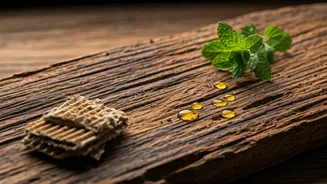
Neem oil, a staple in traditional remedies for various ailments, also offers a long-term solution for termite control. While it doesn't provide an immediate kill, its mechanism is designed to disrupt the termites' life cycle and behavior. Applying neem oil liberally to infested wooden surfaces interferes with the termites' hormonal regulation, causing them to lose their appetite and cease their reproductive activities. This slow-acting but effective approach is safe for households with children and pets, and its natural, earthy aroma is far more pleasant than the harsh chemical odors left by professional exterminators. Regular application can significantly weaken and eventually eliminate the termite colony without compromising the safety of your living environment.
Vinegar and Lemon Solution
For localized termite problems, such as a small infestation in a single cabinet or shelf, a simple mixture from your kitchen can be surprisingly effective. Combine approximately half a cup of white vinegar with the freshly squeezed juice of two lemons. This acidic concoction should then be sprayed directly into any visible termite holes or entry points. The potent acidity of this blend acts as a lethal agent upon direct contact with termites, providing a quick solution for small-scale invasions. While it may not be sufficient to address a widespread infestation throughout an entire house, this DIY spray is an excellent and accessible tool for 'spot cleaning' and eradicating termites from specific wooden items.
The Power of Borax
Borax powder, readily available at most hardware stores, presents a natural yet potent threat to termites. This mineral compound works by disrupting the termites' nervous systems, leading to their demise. You can apply the borax powder directly by sprinkling it into termite-infested areas or into the tunnels they have created. Alternatively, you can create a thick paste by mixing the borax powder with water and use it to seal the holes and crevices. Termites that consume the borax will not only die themselves but will also carry it back to their colony, inadvertently leading to the elimination of other termites and potentially wiping out the entire nest through this chain reaction.