





A Billionaire's Quandary
While India celebrates summer with abundant varieties of mangoes like Alphonso and Kesar, a particular fruit has captured attention for its sheer exclusivity.
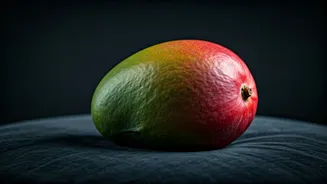
The Kohitur mango, hailing from West Bengal, recently became a topic of widespread discussion after industrialist Harsh Goenka humorously remarked on social media that he 'can't afford' it. This statement, coming from a prominent billionaire, immediately piqued public curiosity about this elusive fruit. The Kohitur is more than just a seasonal treat; it represents a fascinating intersection of India's agricultural heritage, royal patronage, and an incredibly limited supply chain, making it a true treasure for connoisseurs.
Royal Origins of Kohitur
The Kohitur mango is not merely a fruit but a legacy from the historic region of Murshidabad in West Bengal, an area long renowned for its mango cultivation. Historical accounts suggest this exquisite variety dates back to the era of the Nawabs of Bengal. During this period, skilled horticulturists meticulously cross-bred various mango types to develop novel fruits. It is widely believed that the Kohitur was created by skillfully blending some of the finest mango saplings available, including the rare Kalopahar variety. Over time, this distinguished fruit became a symbol of luxury, primarily gracing the gardens of royal families and affluent households, thus earning it the esteemed title of a 'royal mango'.
The Rarity Factor Explained
The primary reason for the Kohitur mango's mystique and high price is its extreme scarcity. Current estimates suggest that only a handful of Kohitur trees are still alive, predominantly in specific areas of Murshidabad. In some harvest seasons, the total yield can be as astonishingly low as approximately 150 fruits. This minuscule production volume means the fruit is seldom found in mainstream markets, usually only reaching dedicated collectors, fruit aficionados, and those deeply interested in preserving traditional agricultural biodiversity. Such limited availability, coupled with high demand from a niche market, inevitably drives up its cost. Reports indicate that a single Kohitur mango can command a price of Rs 1,500 or more, depending on the season's yield and market demand.
Unmatched Delicate Nature
What further distinguishes the Kohitur mango is its incredibly delicate constitution. Unlike most mango varieties that are robust enough for widespread handling, the Kohitur possesses exceptionally fragile skin and texture. Growers handle these fruits with the utmost care, treating them almost as precious artifacts rather than typical produce. To safeguard against any damage during storage and transit, the mangoes are often meticulously wrapped in soft cotton wool. This emphasis on preservation extends to traditional handling practices, where some growers deliberately avoid using metal knives for cutting, opting instead for wooden utensils to protect the tender flesh from any potential bruising or discoloration.
Harvesting with Reverence
The process of harvesting Kohitur mangoes is as meticulous as their handling. Ancient cultivation methods reveal that farmers exercised extreme caution when picking the fruit from the tree. Rather than employing sharp tools that could potentially harm the stem or bruise the fruit, they often used bamboo splinters. These were gently inserted to carefully dislodge the mango, allowing it to fall softly or be guided down. This traditional technique ensured the fruit remained pristine, free from any damage that could negatively impact its unique flavor and quality. These time-honored practices underscore the immense value and respect accorded to the Kohitur mango, particularly during its cultivation for royal consumption.
Taste and Distinctive Traits
Given its rarity, very few individuals today have had the opportunity to savor the Kohitur mango. However, historical descriptions consistently portray its flesh as exceptionally soft and delicate. In the kitchens of royalty, its smooth and rich pulp was highly prized. Beyond its texture, the Kohitur is celebrated for its unique aroma, often considered one of the most significant characteristics of heritage mango varieties. Unlike commercial mangoes, which have been modified for large-scale cultivation and transport, the Kohitur has retained its traditional qualities, with its cultivation continuing on a very small scale, preserving its original essence.
Why the Internet Was Fascinated
The widespread online fascination with the Kohitur mango stemmed largely from its unusual narrative. The idea that a fruit could be considered unaffordable even by a billionaire like Harsh Goenka naturally sparked immense curiosity. However, this viral moment served a greater purpose by shedding light on the myriad of rare and endangered food traditions that still thrive across India. In a nation that affectionately calls the mango the 'king of fruits,' the Kohitur stands as a poignant reminder that some varieties remain exclusive treasures, far removed from everyday consumption. This distinctive mango continues to captivate, bridging the gap from its historical royal orchards in Murshidabad to contemporary social media discussions.