


The Ritual of Tiffin
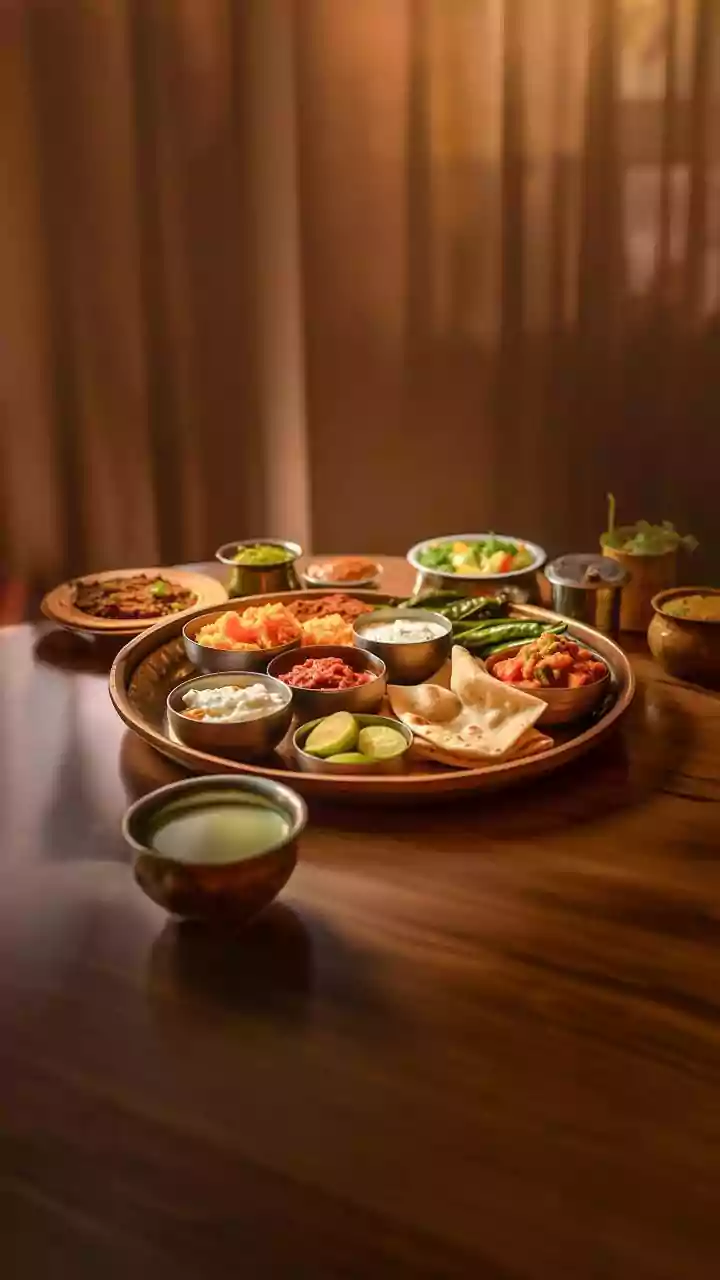
Rukmini Srinivas's "The Tiffin" beautifully articulates the profound significance of the Indian tiffin, the humble packed meal. This work delves into the daily
ritual of transporting food, from its humble origins in home kitchens to its destination as a midday meal in offices. It masterfully illustrates how these seemingly simple provisions are imbued with deep regional identities, cherished family traditions, and the quiet affection present in food prepared with genuine care and thought. The book transcends mere description to capture the essence of how food connects us to our roots and to each other, highlighting the unspoken language of love conveyed through a well-prepared meal.
Bengal's Culinary Heritage
Satarupa Banerjee's "Bangla Ranna - The Bengal Cookbook" serves as a vibrant cultural chronicle of Bengali gastronomy. Far exceeding the scope of a typical cookbook, it thoughtfully integrates recipes with rich historical narratives, time-honored rituals, and poignant personal memories. Banerjee meticulously traces the evolution of Bengal's distinct culinary landscape, showcasing the profound influences of colonialism, significant migratory patterns, and the intimate dynamics of domestic life. This book offers readers a holistic understanding of how the past shapes the present flavours of Bengali cuisine.
Nostalgia and Belonging
Chitrita Banerji's "Eating India" is a profound exploration of the emotional resonance of food within the Indian context. Through a series of insightful essays, Banerji thoughtfully examines various facets of Indian culinary life, including significant festivals, the sanctity of kitchens, and the simplicity of everyday meals. The book artfully connects the act of eating to deeply personal emotions, the power of memory, and the fundamental sense of belonging. Banerji reveals how Indian cuisine serves as a powerful vessel for narratives of migration, the bittersweet ache of nostalgia, and the enduring continuity of cultural identity across generations.
A Historical Companion
K. T. Achaya's "Indian Food - A Historical Companion" stands as a monumental work in the study of Indian culinary history. This seminal text meticulously traces the trajectory of ingredients, fundamental cooking methodologies, and evolving food customs from antiquity right up to the contemporary era. Achaya provides a compelling analysis of the intricate interplay between historical trade routes, the influence of various religions, and prevailing climatic conditions, all of which have profoundly shaped the dietary patterns prevalent in India today. Its comprehensive scope makes it an indispensable resource for anyone interested in the deep historical roots of Indian food.
The Science of Masala
Krish Ashok's "The Masala Lab" ingeniously bridges the gap between scientific inquiry and captivating storytelling in the realm of Indian cooking. This innovative book dissects traditional Indian culinary techniques by employing logic and rigorous experimentation. It aims to celebrate the inherent cleverness and ingenuity that underpin countless everyday dishes, while simultaneously elucidating the scientific principles that make these time-tested methods so effective. Crucially, Ashok achieves this analytical exploration without diminishing the cherished emotional and cultural significance associated with these beloved foods.
Mapping Culinary Diversity
Pushpesh Pant's "The Penguin Food Guide to India" offers an expansive and invaluable mapping of India's incredibly diverse culinary landscape. Organized region by region, this comprehensive guide meticulously details characteristic local dishes, distinctive food customs, and the specific ingredients that define each area. It serves as a vibrant celebration of India's immense gastronomic diversity and acts as a crucial reminder that the concept of a singular 'Indian cuisine' is a misnomer. Instead, it highlights the reality of countless vibrant and unique local traditions that together form the nation's rich food heritage.