






Frequent Water Breaks
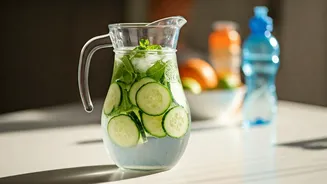
During sweltering weather, it's paramount that children drink water consistently, rather than waiting until they feel parched. Youngsters, engrossed in play
or other activities, often overlook their body's signals for hydration. Parents must proactively encourage them to sip water throughout the day. Carrying a dedicated water bottle to school or during outdoor excursions is a practical habit to foster. Adequate water consumption is fundamental for maintaining a stable body temperature, warding off feelings of exhaustion, and preventing dizziness, all of which are common concerns in high heat.
Nourishing, Water-Rich Foods
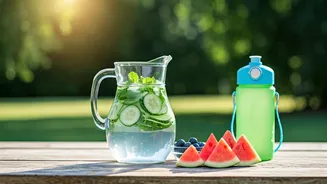
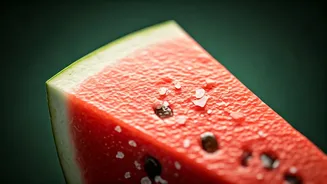
Supplementing water intake with hydrating foods is a smart approach to combatting the heat. Incorporating fruits and vegetables with high water content into a child's diet can significantly aid in staying hydrated while providing essential nutrients. Think juicy options like watermelon, oranges, and cucumbers, which are not only refreshing but also packed with vitamins beneficial during summer. Preparing refreshing salads or blending nutritious smoothies with these ingredients can be an appealing way to boost fluid intake. These culinary choices are excellent for replenishing lost fluids and helping the body maintain a cool internal temperature when the mercury rises.
Rethink Sugary Drinks
While children may gravitate towards sugary, carbonated beverages and cold drinks during summer for immediate refreshment, these are not ideal for sustained hydration. These drinks, though seemingly cooling, can paradoxically lead to dehydration in the long run due to their high sugar content. It's advisable for parents to steer clear of offering such beverages. Instead, opting for healthier alternatives like natural fruit juices or traditional Indian drinks such as buttermilk provides both hydration and vital nutrients, making them superior choices for children during hot weather.
Light and Breathable Attire
The choice of clothing for children significantly impacts their body's ability to manage heat. Dressing youngsters in light-colored fabrics is recommended, as these hues reflect sunlight and help keep their bodies cooler. When the body remains cooler, it reduces the likelihood of excessive perspiration, thereby conserving vital body fluids. Conversely, dark-colored clothing absorbs more heat, leading to increased sweating and a greater loss of water from the body. Prioritizing lightweight, breathable materials ensures children stay comfortable and less prone to heat-induced dehydration.
Strategic Outdoor Fun
Engaging in outdoor activities is beneficial for children's development, but it requires careful planning during extreme heat. Exposing children to the intense midday sun should be avoided. It's much safer and more enjoyable to schedule outdoor play for the cooler parts of the day, such as early mornings or late evenings. During these periods, children should be encouraged to take frequent pauses and ensure they are drinking water regularly. Additionally, making sure they wear caps or hats can offer crucial protection from direct sunlight, further safeguarding them from the harsh summer heat.