





SPF No-Nos Explained
A common but misguided practice involves attempting to create a custom tinted sunscreen by blending your regular SPF with foundation or moisturizer. This
seemingly innocuous act can severely compromise the protective film your sunscreen is designed to form, rendering it ineffective. Cosmetic formulators dedicate significant research to ensuring sunscreens provide even coverage, and altering their composition, even with a touch of makeup, breaks this integrity. If you desire a tinted sunscreen, opt for products specifically designed with a tint, rather than trying to concoct your own at home. This ensures you receive the stated sun protection factor without unintended consequences for your skin's defense against harmful UV rays. Rely on pre-formulated products for reliable sun protection.
DIY Ingredient Disasters
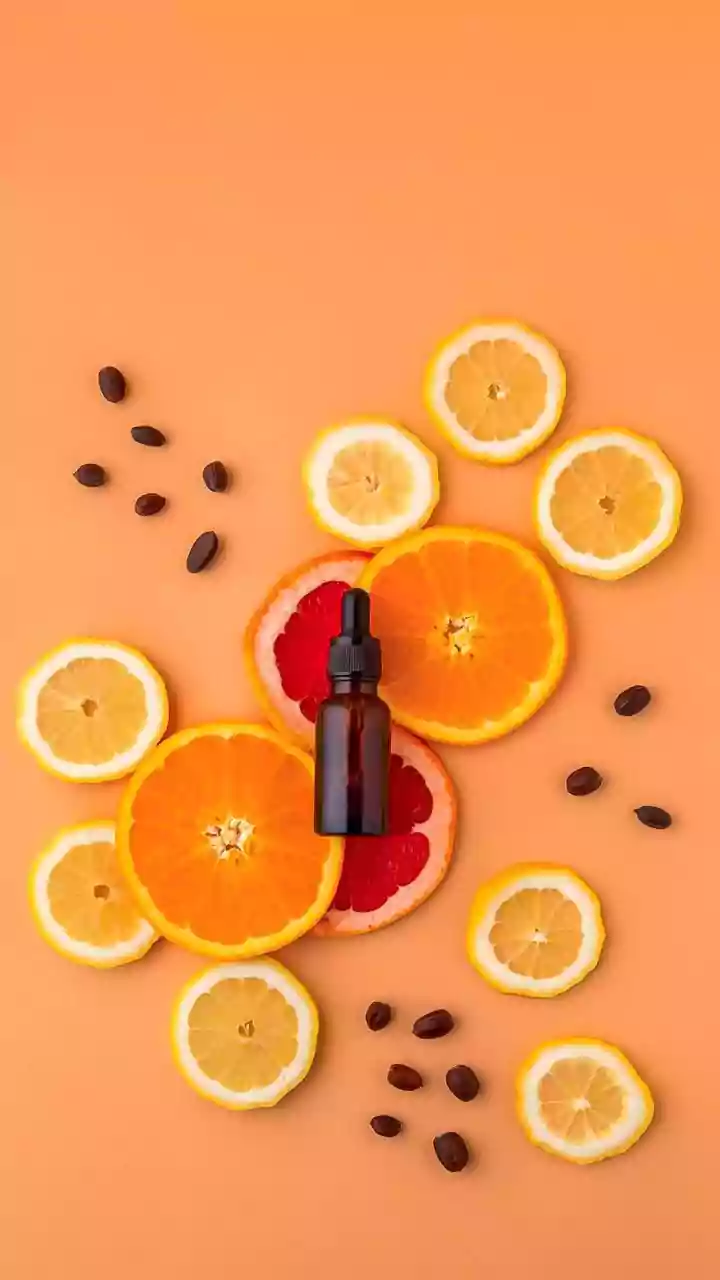
Many people mistakenly believe that natural kitchen staples are always beneficial for the skin. However, applying highly acidic substances like lemon juice or alkaline ingredients such as baking soda directly to your face can be detrimental. These items can strip away your skin's natural protective barrier, known as the acid mantle, leaving it vulnerable and prone to irritation and contact dermatitis. Instead of resorting to these harsh, unprocessed ingredients, it's far more effective and safer to use scientifically formulated skincare products. For instance, a stabilized Vitamin C serum, developed in a lab, offers potent antioxidant benefits without the risks associated with applying raw citrus fruit to your skin. Prioritizing lab-tested formulations ensures both efficacy and safety for your complexion.
Slugging in Humid Climates
The practice of 'slugging,' which involves applying a thick layer of petroleum jelly to the face, is highly effective for combating dryness during cold, arid winter months. However, this technique can be disastrous in humid environments, such as during the monsoon season in places like Mumbai. The occlusive nature of petroleum jelly can trap sweat and heat against the skin, leading to clogged pores and a significant increase in acne breakouts. Skincare needs to be adapted to your specific climate and environmental conditions. What works wonders in one season or location might cause severe problems in another. Understanding your local humidity levels is crucial for determining if such occlusive routines are appropriate.
DIY Extraction Dangers
Purchasing inexpensive metal extraction tools online and attempting to perform extractions at home does not equip you with the skills of a trained aesthetician. Digging into blemishes, especially deep cystic acne, can cause considerable damage to the surrounding skin tissue. This trauma often results in post-inflammatory hyperpigmentation, leaving dark spots that can take many months to fade, if they fade at all. For managing pimples, it's much more advisable to avoid manual interference altogether. Instead, utilize specialized hydrocolloid patches. These patches can help draw out impurities and protect the blemish while facilitating a cleaner healing process, minimizing the risk of scarring and lingering discoloration.
Overloading Acids
A common mistake that can lead to severe skin damage is the excessive layering of potent active ingredients. Applying a high-concentration glycolic acid, followed by a beta-hydroxy acid (BHA), and then a prescription-strength retinoid in a single routine is a recipe for disaster. This aggressive approach overwhelms the skin's barrier function, leading to chemical burns and extreme sensitivity. The belief that more active ingredients equate to superior results is fundamentally flawed. When your skin barrier is compromised, the best course of action is to cease all active treatments and focus on repairing and soothing the skin with gentle, barrier-strengthening products. Allowing your skin to recover is paramount.
Direct Ice Applications
While cold therapy can be beneficial for reducing facial puffiness, applying ice cubes directly to the skin is a harmful practice. This direct contact can cause micro-tears and even ice burns due to the extreme temperature. The skin on the face is inherently delicate and requires gentle treatment. If you wish to incorporate cold to de-puff your complexion, it's essential to create a barrier. Either wrap the ice cubes in a soft cloth before application or consider investing in specific facial cooling tools, such as cooling globes, which are designed for safe and effective use on the skin. This protective measure prevents potential damage.
Essential Oil Pitfalls
There's a persistent misconception that natural essential oils are inherently safer and more beneficial for the skin than synthetic ingredients. In reality, many popular essential oils, including lavender, citrus, and eucalyptus, are highly volatile compounds. They are well-known for their potential to cause contact dermatitis and allergic reactions in sensitive individuals. While the idea of using botanical extracts is appealing, a scientifically formulated, fragrance-free synthetic product is often a much more reliable and gentler choice for your skin. These lab-created formulas are designed for stability and minimal irritation, unlike heavily perfumed plant extracts that can compromise your skin's health.