
Nostalgia's Resurgence
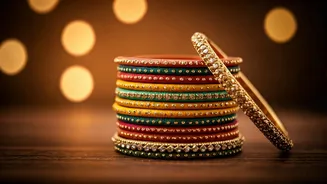
Indian bangles, once relegated to the "traditional" or "old-fashioned" category, are now at the forefront of a captivating aesthetic evolution on platforms
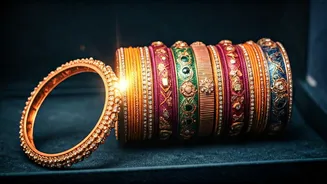
like Instagram. This resurgence isn't a random internet discovery; it's a deliberate embrace of the nostalgia economy. For many, the distinct sound and visual of bangles evoke warm memories of childhood, family gatherings, and cultural roots. Social media algorithms, sensing this collective desire for emotional comfort and authenticity, are amplifying content featuring these vibrant accessories. This trend signals a broader societal shift away from stark minimalism towards a more expressive and sensory-rich style, where the tangible elements of the past are reinterpreted as contemporary fashion statements. The internet is finally catching up to a beauty standard that was once celebrated unapologetically.
From Minimalist to Maximalist
The visual landscape of social media is undergoing a noticeable transformation, moving away from the clean lines and understated elegance of the "clean-girl aesthetic." Influencers and users are embracing a bolder, more opulent style often referred to as the "gold-girl aesthetic." This involves layering statement jewelry, such as chunky earrings, stacked bangles, and heavy bracelets, which create a distinctive auditory element – a pleasing jingle or clink as one moves. This dramatic shift prioritizes drama, tangible texture, and dynamic movement over the subdued simplicity that previously dominated. This embrace of maximalism, with its inherent sound and visual richness, directly taps into the desire for comfort and emotional connection that characterizes the nostalgia economy. It's a reaction against an over-saturation of minimalism, seeking instead to reconnect with aesthetics that feel more grounded and expressive of personal history and culture.
The Nostalgia Economy's Impact
The current trend celebrating Indian bangles and other traditional adornments is deeply intertwined with the concept of the "nostalgia economy." This economic phenomenon thrives on consumers seeking emotional solace, a sense of stability, and genuine authenticity in their purchasing decisions. Bangles, with their inherent sensory qualities – the distinct sound, the vibrant colors, the tactile feel – serve as potent triggers for cherished memories. They remind people of mothers preparing for special occasions, grandmothers in their kitchens, and the rich tapestry of Indian culture that can be not just seen, but also heard. This trend demonstrates that what was once dismissed as "old-fashioned" is now being re-evaluated and celebrated as "aesthetic." The algorithm doesn't invent trends; rather, it highlights and amplifies existing cultural touchstones that resonate deeply with people's emotional landscape, bringing these treasured elements back into the mainstream spotlight.
Beyond Bangles: A Cultural Revival
The resurgence of interest in Indian bangles is not an isolated phenomenon but rather part of a broader cultural revival gaining traction on social media. This movement extends to various traditional Indian elements that are being reinterpreted and celebrated. Similar to the "Bebot trend," which brought back Y2K-era makeup with its emphasis on dramatic, shimmery looks, there's a growing appreciation for Indian beauty rituals. Influencers are creating content that showcases the allure of traditional Indian womanhood, featuring adornments like alta on feet, intricate henna designs on hands, white flowers in hair, and the melodious jingle of anklets. Even techniques like wooden block-printed mehndi designs are experiencing a revival. This widespread embrace of heritage, often fueled by throwbacks and a desire for comforting familiarity, highlights a significant aesthetic shift. It’s a refreshing moment where "old-fashioned" Indian styles are not only embraced but are also inspiring high-fashion trends, demonstrating the enduring appeal and global relevance of Indian aesthetics.