





The Stress-Skin Connection
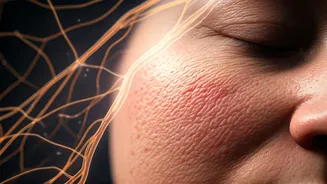
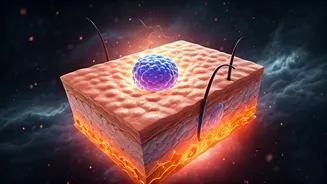
Your skin, far from being a passive barrier, actively communicates with your brain through a complex network known as the brain-skin axis. When you experience
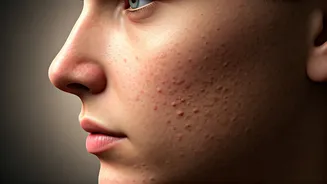
stress, your body releases cortisol, a hormone that can significantly impair your skin's natural defenses. This hormonal surge leads to a compromised skin barrier, making it more permeable to irritants and allergens. Consequently, the skin becomes more reactive, prone to inflammation, and slower to repair itself. This is why external stressors like work pressures, academic demands, or personal turmoil can trigger noticeable changes in your skin's appearance. Elevated cortisol levels also stimulate increased oil production, exacerbating conditions like acne and making existing breakouts more persistent and harder to resolve.
Subtle Signals Ignored
Often, the initial indications of stress on the skin are so subtle that they are easily dismissed or attributed to other factors. You might notice your skin losing its natural radiance and appearing dull, even if you've had adequate sleep. Dry patches can emerge in areas that are typically well-hydrated, or your skin might become unusually sensitive, reacting negatively to products you've used without issue before. An unexplained itchiness can also be a sign. These seemingly unrelated symptoms are actually your skin's first alert to internal stress. Many individuals overlook these early cues, opting instead to try new skincare products or blame environmental changes, failing to connect these reactions to a period of heightened stress that may have occurred weeks prior.
Conditions Linked to Stress
The link between mental stress and various dermatological conditions is well-documented by medical professionals. Conditions such as acne, psoriasis, eczema, rosacea, and seborrheic dermatitis have all been observed to flare up in conjunction with increased stress levels. These are not mere coincidences; stress can trigger underlying physiological changes that contribute to the onset or worsening of these ailments. For individuals with chronic conditions like psoriasis, the timing of flare-ups often mirrors significant life events, suggesting the skin acts as a sensitive barometer of emotional well-being. Furthermore, stress significantly impedes the skin's natural healing processes. Minor injuries, lingering acne marks, and post-inflammatory hyperpigmentation take considerably longer to fade when the body is under prolonged stress, which can be disheartening and lead to further emotional distress.
Rethinking Skin Treatment
Addressing persistent skin concerns often requires looking beyond topical treatments and considering the individual's overall well-being. When patients repeatedly present with skin issues that resist conventional therapies, it's a strong indicator to investigate their lifestyle and stress levels. As Dr. Chavan notes, 'Skin shows the truth. Patients may say they feel fine, but their skin often tells another story.' The skin can betray internal stress long before it is consciously perceived. Therefore, incorporating stress management techniques into a treatment plan is not merely a supplementary recommendation; for many, it is the crucial missing element necessary for achieving lasting skin health and resolution of chronic issues.