
Nourishing Your Body
The cornerstone of good health is nourishing your body with the right foods. Indian women often prioritize a diet centered around healthy choices. This
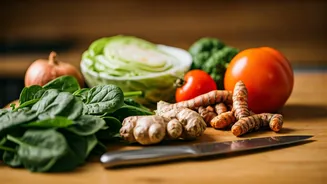
includes avoiding processed foods that are high in fat and sugar, opting instead for fresh, warm, and wholesome meals. Embracing seasonal, regional, and traditional fruits further enriches their diet, providing essential nutrients. Additionally, incorporating more leafy vegetables into their meals supports overall well-being. The selection of natural sugars, such as black raisins, figs, and jaggery, over refined sugars is another key aspect of their nutritional approach. This aligns with traditional practices, providing sustained energy and avoiding blood sugar spikes.
Herbal Remedies & Spices
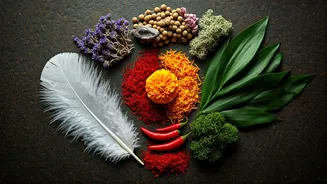
Indian women frequently harness the power of nature through herbal remedies and spices. They often incorporate Ayurvedic herbs into their daily routines, utilizing their therapeutic properties. The use of spices like cumin, fennel, and carom seeds in cooking is a common practice, as these spices aid digestion and enhance overall health. For managing specific concerns, such as delayed cycles, some women find a beetroot-tomato-ginger-curry leaves juice helpful. Castor oil is another traditional remedy used to alleviate symptoms of PMS. Ginger, a versatile spice, is regularly used in food preparations for its numerous health benefits, showcasing the holistic approach to wellness.
Prioritizing Sleep & Rest
Adequate rest and sleep are considered essential components of a healthy lifestyle by Indian women. Aiming for undisturbed sleep is a priority, and they often adhere to a sleep schedule, typically sleeping between 10 PM and 6 AM. This consistent routine supports the body's natural circadian rhythm, enhancing both physical and mental well-being. The emphasis on rest and sleep highlights the recognition of their importance in maintaining overall health and vitality. This aligns with the understanding that sleep allows the body to repair itself and prepares for the next day.
Embracing Physical Activity
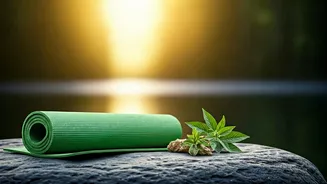
Regular exercise is another critical component in the wellness routine of many Indian women. They strive to exercise at least three times a week, understanding the significant benefits of physical activity for both physical and mental health. Engaging in yoga asanas and breathing practices adds another dimension to their fitness regimen, promoting flexibility, strength, and mental clarity. This integration of physical activity with mindful practices reflects a holistic approach to well-being, acknowledging the interconnectedness of the body and mind. The focus is not just on physical fitness but also on achieving inner balance and peace.
Mental Well-being Matters
Indian women value mental and emotional well-being as integral to their overall health. They practice self-acceptance, embracing themselves as they are, which fosters a positive self-image and resilience. They also avoid unhealthy habits such as smoking and alcohol, recognizing their detrimental effects on both physical and mental health. Reducing caffeine consumption is another conscious choice, as excessive caffeine intake can lead to anxiety and disrupt sleep patterns. A key mindset is believing that not every person in the gym or park is necessarily an expert, fostering a sense of self-assurance and discouraging unhealthy comparison.
Holistic Healing Approaches
Instead of immediately resorting to medication, Indian women often prefer exploring the root cause of health issues. They focus on understanding and addressing the underlying factors contributing to their health concerns. Avoiding popping pills and seeking natural solutions aligns with their holistic approach to wellness. Body massage with sesame oil is another traditional practice, known for its therapeutic effects and ability to calm the nervous system. This mindful approach to health emphasizes prevention and natural healing methods rather than quick fixes, reflecting a long-term perspective on well-being.