




Jamun: The Plum's Cousin
Many Indians are familiar with the distinct taste of jamun, a small, oval-shaped fruit that ripens to a deep, almost blackish-purple hue. This fruit, native
to regions spanning the Indian subcontinent and extending into Southeast Asia, offers a fleshy texture with a pleasant balance of mild sweetness and slight astringency. While often enjoyed fresh, sometimes with a sprinkle of sea salt to enhance its flavour, jamun also goes by several other names in English. It is commonly referred to as the Java plum or black plum, and can also be identified as the Indian blackberry due to its visual resemblance to other berries in the blackberry family.
Amla: The Vitamin C Powerhouse
Amla, a cornerstone in many Indian kitchens, is a small, greenish-yellow fruit known for its intense sourness when consumed raw. However, its flavour profile shifts to a sweeter note when subjected to cooking. This native of Southern Asia is a remarkable source of Vitamin C and is globally recognized in English as the Indian gooseberry. Its versatility makes it a staple in various Indian culinary preparations, including zesty chutneys, tangy pickles, and refreshing juices. Beyond its culinary uses, amla is celebrated in traditional practices for its potential health benefits, such as supporting cardiovascular health, aiding digestion, promoting radiant skin and hair, and contributing to better blood sugar regulation.
Sitaphal: The Custard Apple
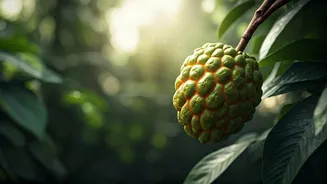
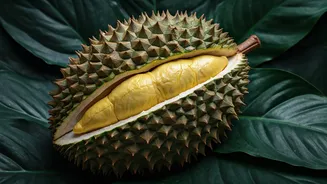
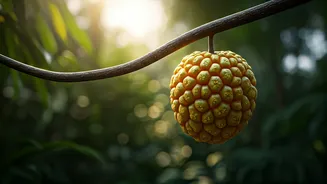
Sitaphal holds a special place in the hearts of many in India, cherished for its versatility in consumption. This tropical fruit is savoured in its raw, ripe state, served chilled, and frequently incorporated into smoothies, milkshakes, ice creams, and various desserts. Its distinctive exterior is characterised by a tough, segmented green rind that softens considerably as the fruit matures. Inside, a creamy, ivory-coloured pulp studded with seeds awaits, offering a delightful sweetness. In English-speaking contexts, sitaphal is known as either the custard apple or the sugar apple, with some theories suggesting its name is inspired by the character of Sita from the ancient Hindu epic, the Ramayana.
Ber: The Childhood Crunch
For a multitude of Indians, the fruit known as ber evokes fond childhood memories. This small fruit, typically round or oval in shape, sports a reddish-brown skin. Its flesh provides a satisfyingly crunchy texture alongside a pleasant sweetness. Originating from South Asia and spreading to regions including southern China, Southeast Asia, and parts of Central and West Africa, ber is referred to in English as the Indian jujube or, alternatively, the Chinese date. While it is most commonly enjoyed fresh as a convenient snack, ber can also be dried for extended storage. Some culinary traditions also involve pickling this nutritious fruit, which is lauded as a superfood rich in Vitamin C, dietary fibre, and essential antioxidants.
Chikoo: The Sweet Sapodilla
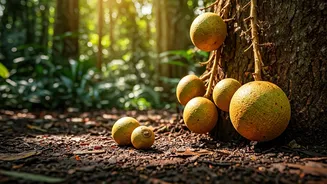
Encountering chikoo is almost a given for anyone visiting India during the summer months, as this sweet, brown fruit is immensely popular across the nation. Roughly the size of an egg, it possesses a soft, somewhat grainy texture that is complemented by a rich, honey-like sweetness. Chikoo can be relished on its own as a refreshing snack, tossed into fruit salads, or blended into popular beverages like milkshakes. It also features prominently in desserts such as halwa and is a favoured flavour for ice cream. In English, this beloved fruit is known by the name sapodilla.