

Building A Foundation
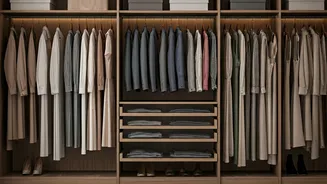
The cornerstone of any great wardrobe is a collection of essential items. These versatile pieces serve as the building blocks for countless outfits and
are key to looking put-together effortlessly. Consider items like a well-fitted blazer. A high-quality blazer can instantly transform any outfit, making it suitable for both professional and casual environments. Next, a crisp white shirt is another indispensable item. Its simplicity makes it incredibly versatile, easily paired with skirts, trousers, or jeans. Then you have a pair of dark-wash jeans offer comfort and style, suitable for various occasions. Finally, a classic trench coat adds a touch of elegance and practicality, ideal for transitioning between seasons while protecting against the elements. Investing in these foundational items means your wardrobe will be ready for anything and any event.
Mastering Styling Techniques
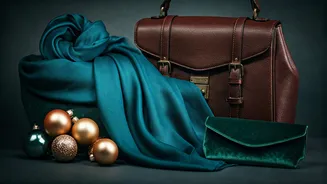
Styling is about putting pieces together to express your personal sense of fashion. Experimenting with different silhouettes can make a big difference. Mixing and matching items that create a balanced look is a key skill. Pairing fitted tops with looser bottoms, or vice versa, creates visual interest and balance. Layering is another technique to master. It adds dimension and warmth to your outfits. Begin with a base layer, like a simple t-shirt or tank top, then add a cardigan or jacket. Accessories further enhance an outfit, with scarves, belts, and jewelry, each having the power to change the whole vibe. A colorful scarf can elevate a basic outfit, a belt can cinch your waist, and carefully chosen jewelry can add a touch of personality. The final step is to create a personal style by taking all you've learned to express yourself.
Understanding Current Trends
Being informed about fashion trends is important, but personal style is more important. Fashion trends evolve, so keeping an eye on what's new can provide inspiration. Pay attention to runway shows and fashion magazines to stay updated on the latest colors, cuts, and patterns. Social media is also a great source. Platforms like Instagram and Pinterest give instant access to trends and style inspiration. However, a key aspect is not to adopt every trend blindly. Instead, pick and choose elements that align with your personal style. Consider what complements your body type and preferences. You can incorporate trending items into your wardrobe in small doses. Add an accessory or a statement piece to keep your look fresh. This way, you stay stylish without sacrificing your individuality. The goal is to blend trends into your unique fashion sense.
Color Coordination Basics
Color plays a significant role in fashion, influencing how outfits are perceived. Knowing the basics of color theory helps create visually pleasing ensembles. Start with the color wheel: colors are grouped to build an aesthetic. Complimentary colors, which sit opposite each other on the color wheel, create a bold, high-contrast look (like blue and orange). Analogous colors, next to each other, create a harmonious and calming effect (like blue, blue-green, and green). Monochromatic outfits use different shades of the same color, offering a sleek and sophisticated look. When building outfits, consider the impact of each color. Neutrals like black, white, gray, and beige serve as a versatile base. They can be paired with almost any color. Then, experiment with adding pops of color, through accessories, or with a statement piece. Remember to consider your skin tone. Some colors are better suited for your complexion than others. Choosing colors that complement your skin will bring out your natural beauty.
Fitting And Tailoring
Proper fitting and tailoring are crucial for looking your best in any outfit. Ill-fitting clothes, regardless of how fashionable, can make you look sloppy. Ensure that clothes fit well by noting your body's shape. Always pay attention to the shoulders, the sleeves, the waist, and the length. Clothes should move with your body without being too tight or too loose. If you have trouble finding ready-to-wear items, you can utilize the help of a tailor. A tailor can adjust garments to your specific measurements, so they fit perfectly. This is particularly important for items like blazers, trousers, and dresses. Tailoring can drastically improve the appearance of any garment. Hemming trousers, taking in the waist, or adjusting the sleeves can make a huge difference. Investing in a few tailored items will elevate your style. Good fit, combined with quality fabrics, makes you look more polished and put-together. It's about how the clothing works on your body.