






Oats and Cholesterol
A compelling study conducted by the University of Bonn has illuminated the remarkable potential of oats in combating cholesterol issues, even with minimal
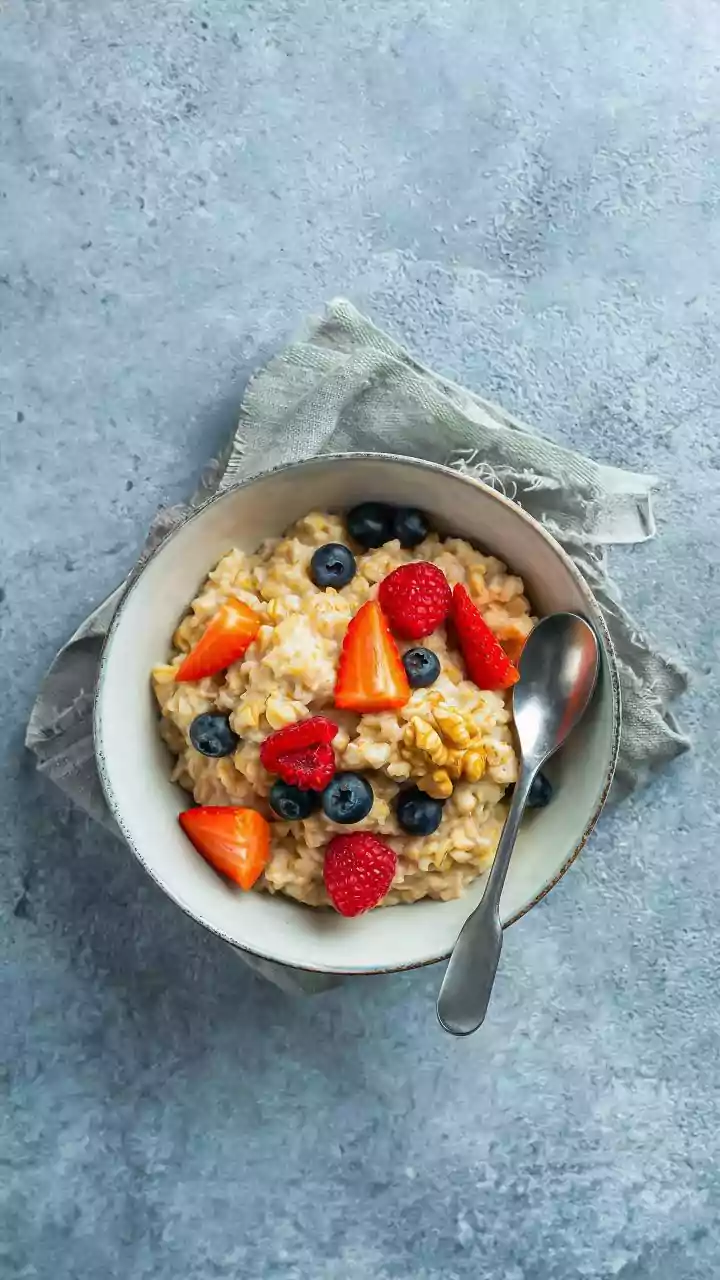
consumption. Researchers focused on individuals diagnosed with metabolic syndrome, a condition characterized by a cluster of health concerns including excess weight, elevated blood pressure, and imbalanced blood glucose and lipid levels. These participants were placed on a calorie-restricted diet for a mere two days, with their meals predominantly consisting of oatmeal. The outcomes were striking: a significant enhancement in their cholesterol profiles was observed. Astonishingly, this beneficial effect persisted for a considerable period of about six weeks, underscoring the lasting impact of even a brief dietary intervention. This suggests that oats possess potent compounds that can positively influence cardiovascular health markers in a surprisingly short timeframe.
The Science Behind Oats
The efficacy of oats in managing cholesterol is largely attributed to their rich fiber content. Clinical nutritionist Dr. Deepali Sharma explains that this fiber, particularly beta-glucan, plays a crucial role in targeting and reducing low-density lipoprotein (LDL) cholesterol, often referred to as "bad" cholesterol. By actively binding to cholesterol in the digestive tract and preventing its absorption into the bloodstream, oats help to lower overall LDL levels. This process is vital for cardiovascular well-being, as elevated LDL cholesterol is a significant risk factor for heart diseases. Beyond cholesterol management, the fiber in oats promotes a feeling of fullness, which can aid in appetite control and potentially reduce calorie intake. Furthermore, the complex carbohydrates and fiber in oats ensure a slow and steady release of sugar into the bloodstream, preventing drastic spikes and dips in blood glucose levels, making them an excellent dietary choice for individuals managing diabetes or seeking sustained energy throughout the day.
Digestive Health Boost
The benefits of oat consumption extend beyond cholesterol and blood sugar regulation to encompass significant improvements in digestive health. Dr. Sharma highlights that the substantial fiber content within oats acts as a natural regulator for bowel movements. This can be particularly beneficial for individuals experiencing irregular digestion or constipation. By promoting smoother transit of food through the digestive system, oats contribute to a healthier gut environment. The soluble fiber in oats forms a gel-like substance in the intestines, which aids in softening stool and making it easier to pass. This consistent and healthy digestive function is fundamental to overall well-being and can prevent discomfort and more serious gastrointestinal issues. Incorporating oats into the daily diet is therefore a simple yet effective strategy for maintaining a robust and well-functioning digestive system, complementing their well-known cardiovascular advantages.
Choosing Your Oats
For those looking to harness the health benefits of oats, a variety of types are available to suit different preferences and cooking styles. Steel-cut oats, also known as Irish oats, are whole oat groats that have been precisely cut into smaller pieces using steel blades. Their distinctive nutty flavor and chewy texture are due to their thicker composition, which the body digests more slowly. This slow digestion helps maintain satiety for longer periods and also contributes to a lower glycemic index, aiding in blood sugar control. Rolled oats, often referred to as old-fashioned oats, are the most common variety. They are created by toasting, hulling, steaming, and then flattening the oat groats with large rolling mills, resulting in a mild flavor and soft texture that readily absorbs liquid. Instant oats offer convenience; they are pre-cooked, dried, cut, steamed extensively, and rolled into very thin flakes for quick preparation, typically found in single-serving packets. Lastly, oat bran is the nutrient-rich outer layer of the oat groat, packed with insoluble and dietary fiber, protein, and iron, offering a concentrated source of these essential nutrients.