






The Unsustainable Present
Current global living standards are exceeding the Earth's regenerative capacity, a fact underscored by recent research. Human consumption is outpacing
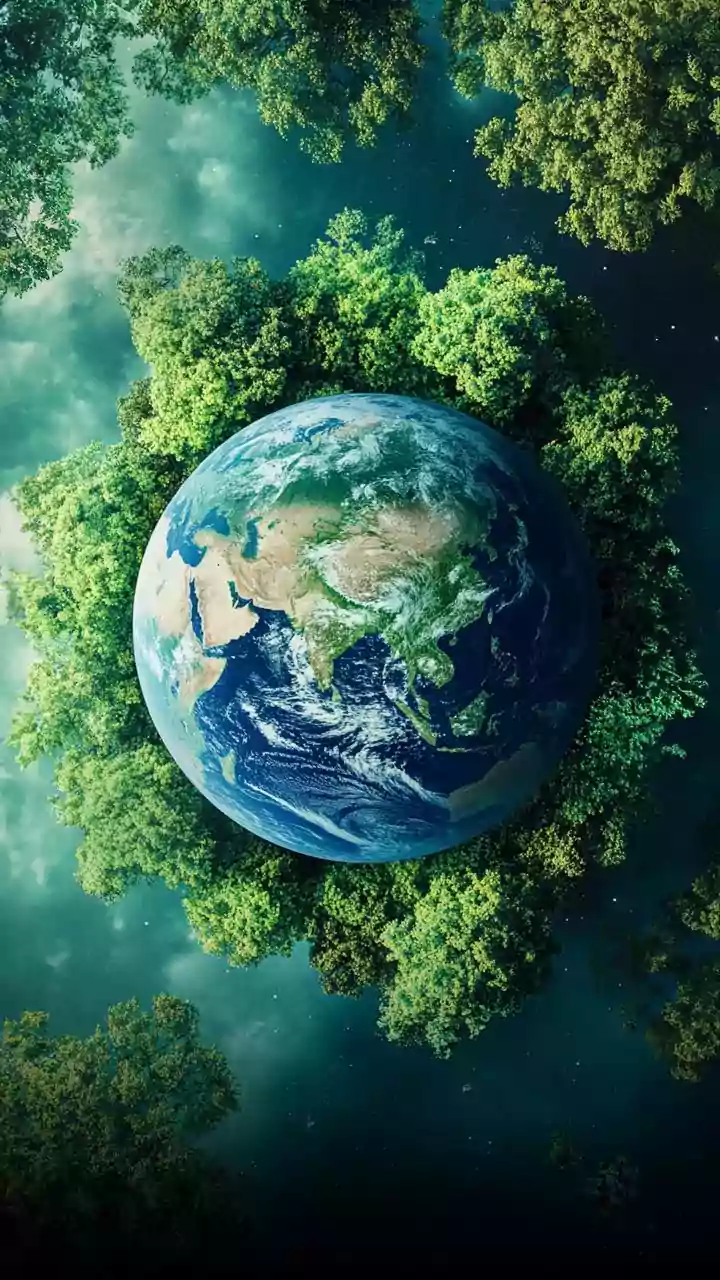
the planet's ability to replenish its resources by an alarming 70% to 80%. This deficit means that if we were to continue living as we do now, we would effectively require the equivalent of 1.7 to 1.8 Earths to sustain ourselves indefinitely. This isn't a distant problem; it's a present-day reality that highlights a fundamental imbalance between human demand and the natural resources available. The implications are far-reaching, impacting everything from environmental stability to the long-term viability of our species on this single planet. This situation necessitates a serious re-evaluation of our consumption habits and resource management practices globally.
Historical Shift to Overshoot
The research traces this imbalance back over two centuries, identifying a critical turning point that dramatically altered humanity's relationship with Earth's resources. While earlier periods saw a more harmonious balance between population size and resource utilization, this equilibrium was significantly disrupted. A major catalyst for this shift was the period following the 1950s, characterized by a surge in population growth, rapid industrialization, and escalating consumption levels. This era is described by researchers as the commencement of a 'negative demographic phase.' This phase implies that an increase in population no longer directly correlates with accelerated overall growth, particularly in terms of resource depletion. Projections based on these trends suggest a global population peak somewhere between 11.7 and 12.4 billion by the late 2060s or 2070s, further intensifying the pressure on planetary resources.
Drivers of Ecological Debt
Experts express significant concern because the planet is demonstrably struggling to meet current demands. Continuing to push Earth beyond its limits without substantial changes leads to a phenomenon known as ecological debt. This ongoing pressure manifests in severe environmental consequences such as accelerated climate change, a devastating loss of biodiversity, widespread deforestation, and the depletion of finite natural resources. The current trajectory is not sustainable and is actively undermining the planet's ability to support life as we know it. The accumulation of this ecological debt poses an existential threat, demanding immediate and decisive action to mitigate its harmful effects and restore balance.
Rethinking Sustainable Population
The study also explores what a truly balanced and sustainable population might look like. Researchers suggest that a sustainable global population would be considerably lower, more aligned with the numbers the world supported in the mid-20th century. Specifically, calculations indicate that a sustainable global population would be closer to approximately 2.5 billion people, provided everyone lived within ecological boundaries and maintained comfortable, economically secure living standards. This highlights that the issue is not solely about the number of people but also about the quality of life and the resources consumed to maintain it. Achieving such a balance would require fundamental shifts in how we structure our societies and economies.
Consumption: The Crucial Factor
Beyond population figures, the research emphasizes the critical role of consumption patterns in determining planetary impact. A smaller population with very high consumption levels can exert more pressure on the Earth than a larger population with significantly lower consumption rates. This means that developed nations, often characterized by higher per capita consumption, are a key component of this global challenge. Addressing the problem effectively requires not only considering population growth but also drastically rethinking and reducing consumption, particularly in wealthier regions. It underscores the interconnectedness of global economies and environmental sustainability.
Pathways to Sustainability
The study strongly advocates for multifaceted changes involving both population dynamics and consumer behavior. It posits that fostering smaller populations alongside reduced consumption levels will yield superior outcomes for both humanity and the planet. While the timeframe for implementing significant changes is shrinking, meaningful progress remains attainable through international collaboration. The decisions made in the coming decades will be pivotal in shaping the well-being of future generations and ensuring the resilience of the natural systems that underpin all life on Earth. Collective action and a shared commitment to sustainability are essential for navigating this critical juncture.