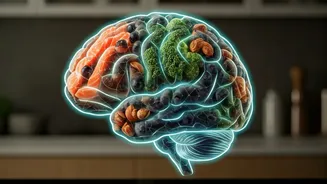







Eggs: Brain Building Blocks
Eggs are nutritional powerhouses, offering essential support for a child's developing brain. They provide vital nourishment and energy, notably containing
choline. This crucial nutrient plays a significant role in synthesizing neurotransmitters, the chemical messengers that facilitate communication within the brain. Incorporating eggs into a child's breakfast can provide a sustained energy release, promoting better focus and readiness for learning throughout the day. The choline in eggs is fundamental for cognitive functions, helping to build the very pathways that support learning and memory from an early age.
Nuts & Seeds: Smart Fats
A wealth of healthy fats, vitamin E, and antioxidants resides in nuts and seeds, making them champions for brain health. These components are indispensable for maintaining optimal brain function. Varieties like almonds, walnuts, flaxseeds, and sunflower seeds are rich in essential fatty acids, which are fundamental for the intricate development of a young child's brain. For toddlers, safety is paramount; nuts can be presented as smooth powders or pastes to mitigate choking risks. These versatile ingredients can be blended into smoothies, stirred into porridges, or spread on toast, offering a delicious and brain-boosting meal option. Consistently including them in the diet can lead to improvements in concentration, memory recall, and overall cognitive performance.
Fatty Fish: Omega-3 Boost
Fatty fish varieties such as salmon, tuna, and sardines are brimming with beneficial fats, specifically omega-3 fatty acids, which are indispensable for robust brain development in children. These healthy fats are not merely dietary additions; they are structural components that actively contribute to building the brain's architecture, laying a crucial foundation for enhanced learning abilities. The consumption of fatty fish is strongly linked to improvements in a child's ability to concentrate. Preparing them in appealing ways, like grilled dishes, flavourful curries, or crispy cutlets, ensures children receive these vital nutrients in enjoyable meal formats, supporting their cognitive growth effectively.
Berries: Antioxidant Powerhouses
Berries like strawberries, blueberries, and blackberries are vibrant sources of potent antioxidants, which act as guardians for a child's developing brain cells. These natural compounds are instrumental in enhancing memory retention and bolstering overall brain performance. Beyond their antioxidant benefits, berries also supply essential vitamin C and dietary fibre, contributing to a child's overall healthy lifestyle. Their natural sweetness and appealing colours make them an attractive addition to a child's diet, encouraging healthier eating habits. Adding berries to morning meals can transform them into more engaging and nutritionally dense options, supporting both brain health and satisfying a preference for sweet flavours.
Whole Grains: Sustained Energy
Whole grains provide a steady and reliable stream of energy, vital for keeping a child's brain active and alert throughout their demanding day. Grains such as oats, rice, wheat bread, and quinoa are excellent sources of glucose, the brain's primary fuel. This consistent energy supply is crucial for maintaining focus and cognitive engagement during learning activities. The brain functions optimally when it has a continuous influx of energy, and whole grains efficiently deliver this requirement. By regularly including these foods, children remain energized and attentive, participating more actively in their educational pursuits and daily explorations.
Dairy: Growth Nutrients
Dairy products like milk, yogurt, and cheese are packed with essential nutrients vital for brain tissue growth and development. These nutrients directly support the physical construction of the brain, which is paramount during childhood. Yogurt also offers the added advantage of probiotics, promoting a healthy gut microbiome. The interconnectedness between gut health and brain function is increasingly recognized, making a healthy gut crucial for optimal cognitive development. Integrating dairy into a child's daily meals, whether through a glass of milk, yogurt with fruit, or cheese as a snack, ensures they receive the necessary building blocks for healthy brain growth.
Leafy Greens: Protective Vitamins
Leafy green vegetables, including spinach, kale, and broccoli, are treasure troves of vitamins and minerals that contribute significantly to protecting brain tissues and fostering development. These micronutrients play a critical role in safeguarding the brain's structural integrity. While some children may initially be hesitant towards these vegetables, creative culinary approaches can make them appealing. Incorporating them into meals can also help cultivate healthy eating habits for the future. Consistent consumption of leafy greens is associated with enhanced memory capacity and improved concentration, providing long-term benefits for a child's cognitive abilities.