



Sweet Treats Abound
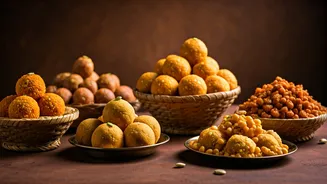
Makar Sankranti is a celebration of the harvest and the sun, and what better way to celebrate than with sweets? The festival is synonymous with delicacies
like til ladoo, a sweet ball made from sesame seeds and jaggery, which is a common offering during this time, symbolizing warmth and the auspiciousness of the occasion. Another classic is gajak, a crunchy brittle made from sesame seeds and jaggery, also representing the sweetness and joy of the festival. Then there is the delectable peanut chikki, a beloved sweet treat prepared with peanuts and jaggery. It is also often served during Makar Sankranti. The use of sesame seeds and jaggery in these sweets has a significance during winter, as they are considered warm foods. These treats are more than just food; they represent the community coming together to share happiness and the anticipation of new beginnings. The inclusion of these items offers a taste of the festive spirit.
Khichdi: A Staple
No Makar Sankranti celebration is complete without khichdi, a dish made from rice and lentils, often cooked with vegetables and spices. This simple yet nourishing dish symbolizes the abundance of the harvest. It is a one-pot meal, typically cooked during the festival season. There are many regional variations of Khichdi, with each region adding its own twist to the traditional recipe. Many families come together to prepare Khichdi, using fresh ingredients to create a wholesome meal. Khichdi is not just a dish; it's a representation of unity and the shared experience of the festival. During the celebration, Khichdi can be served with ghee and pickles to add to the taste. This meal is easy to prepare and symbolizes the importance of simplicity and togetherness in the face of prosperity.
Undhiyu: A Gujarati Favorite
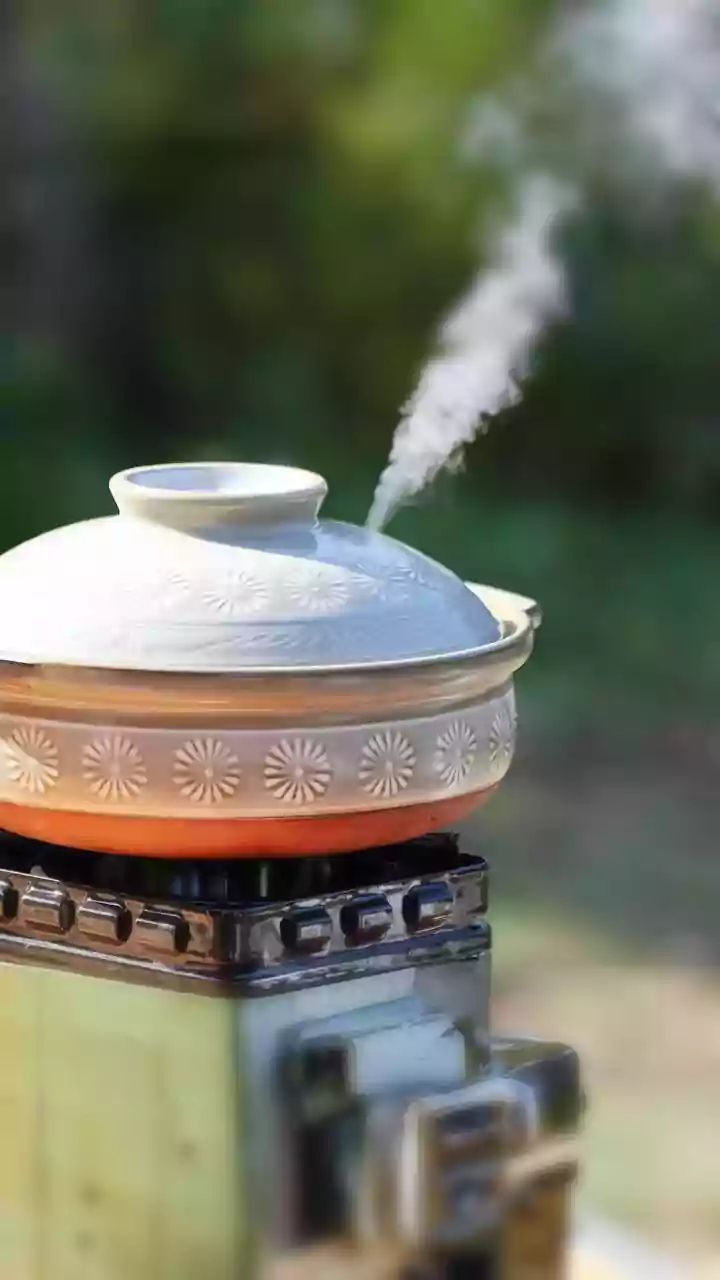
Undhiyu, a mixed vegetable dish cooked upside down in earthen pots, is a signature dish from Gujarat, often enjoyed during Makar Sankranti. This dish features a mix of seasonal vegetables and spices, slow-cooked to perfection. This slow cooking process enhances the flavors and creates a unique taste experience. The preparation and serving of Undhiyu symbolize the spirit of community and the sharing of a meal. The dish is a celebration of the bounty of the harvest, incorporating the freshest vegetables available. Undhiyu is often served with puri and jalebi, creating a complete and satisfying meal. The aroma of Undhiyu cooking is an integral part of the Makar Sankranti festivities in Gujarat, representing the culinary traditions of the state during the harvest season. The dish showcases the flavors of the region and is a testament to the innovative cooking methods of the Gujarati cuisine.
Gujarati Undhiyu: Details
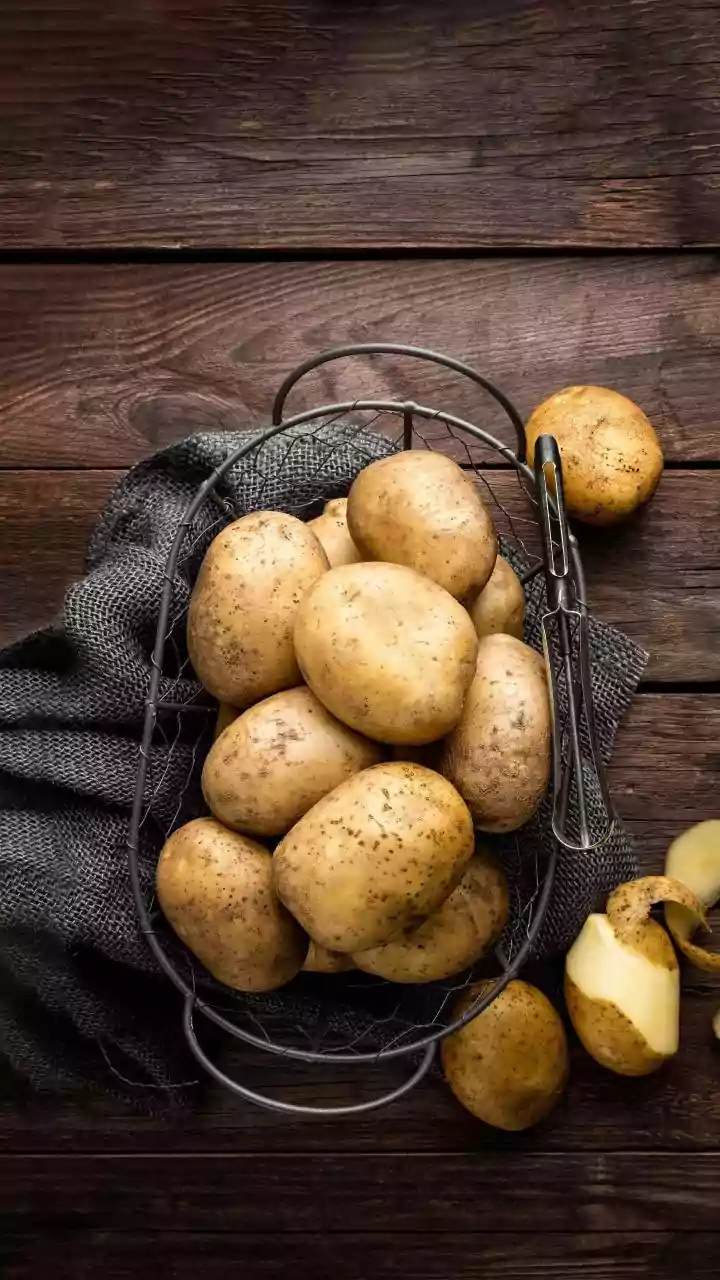
Let's explore Undhiyu more. It is traditionally made with a variety of vegetables like potatoes, eggplants, beans, and other seasonal produce. The vegetables are marinated in a blend of aromatic spices. These are then layered in an earthen pot, which is sealed and cooked over a slow fire. This method of cooking infuses the vegetables with the flavors of the spices and the earthy aroma of the pot. The upside-down cooking method ensures that all the vegetables are cooked evenly. The slow cooking process allows the flavors to meld together, resulting in a dish that is rich and complex in taste. Undhiyu is often served during Makar Sankranti, but it can also be prepared for other festive occasions. It represents the importance of family, community, and the shared joy of the harvest season.
Puran Poli: Sweet Delight
Puran Poli, a sweet flatbread stuffed with a sweet lentil filling, is a beloved dish across Maharashtra, particularly during Makar Sankranti. The filling, made from cooked chana dal (split chickpeas), jaggery, and spices, is a symbol of prosperity. The flatbread is made with wheat flour and rolled out to encapsulate the sweet filling. Puran Poli is often enjoyed with ghee, which adds richness and flavor to each bite. The preparation of Puran Poli is a labor of love, frequently made at home. It is a symbol of warmth and togetherness. This dish represents the sweet moments shared during the festival, bringing families together to create and enjoy this classic treat. The process of preparing Puran Poli emphasizes the cultural value of family meals during the festival season.
Pongal: A South Indian Treat
Pongal is a sweet rice dish that is a staple during Makar Sankranti, especially in South India. It is made from rice, lentils, and milk, often flavored with cardamom and dry fruits. Pongal is cooked in a new pot, and the overflowing of the rice signifies abundance and prosperity. The cooking of Pongal is often accompanied by prayers and rituals, expressing gratitude for the harvest. There are different variations of Pongal, each reflecting the regional preferences. Sweet Pongal symbolizes the sweetness of the harvest and the joy of the festival. The preparation and sharing of Pongal bring families together, enhancing the communal spirit. Pongal is not just a food item; it is an important part of the cultural and religious traditions associated with the festival.
Lentil Curries: Variety
Various lentil curries are often part of the Makar Sankranti meal, providing a nutritious and flavorful addition to the feast. These curries are made with different types of lentils, such as masoor dal, chana dal, and toor dal. The lentils are cooked with spices, vegetables, and sometimes coconut milk, creating a diverse range of flavors. Lentil curries add to the significance of the harvest and the well-being of the family. The curries are versatile and are paired with rice or roti. They represent the diverse culinary traditions across India during the harvest season. The use of lentils in these dishes highlights the importance of protein-rich food items in the celebrations. These curries exemplify the value of wholesome eating in the festive period.
The Importance of Rice
Rice is a staple food in India and plays a central role in Makar Sankranti celebrations. It is a symbol of fertility, abundance, and prosperity. Rice dishes like khichdi and Pongal are prepared. Rice is also used in various other traditional dishes, with each preparation symbolizing different aspects of the harvest season. The cultivation of rice is a significant part of India's agricultural heritage. During Makar Sankranti, the consumption of rice is seen as a way of expressing gratitude for the blessings of the harvest. It serves as a reminder of the agricultural significance and the importance of farming communities. The presence of rice in almost all festive meals underscores the role of the grain in bringing prosperity.
Seasonal Vegetable Dishes
Makar Sankranti is the time to enjoy seasonal vegetables that are at their peak freshness. Vegetable dishes are prepared using locally available produce. The use of fresh, seasonal ingredients brings out the flavors. These dishes contribute to the nutritional diversity of the festive meals. The dishes reflect the culinary practices across different regions of India. The emphasis on seasonal produce emphasizes the importance of sustainable eating and environmental awareness. Vegetable-based dishes play a key role in the festive celebration, showcasing the beauty of the harvest season. The emphasis on seasonal vegetables underlines the importance of a well-balanced diet and healthy lifestyle during the festival season.
Significance of These Foods
The ten traditional foods highlighted are more than just dishes; they symbolize different aspects of Makar Sankranti. These foods represent the harvest, prosperity, and togetherness. They are integral to the cultural and religious celebrations of the festival. Each dish holds a specific meaning and historical association. These meals provide a sensory and memorable experience for everyone. The dishes reflect the significance of family and community during the festive period. Preparing and sharing these foods helps build a sense of unity. They also create a deeper appreciation for culinary and cultural traditions. It is this combination that makes Makar Sankranti a celebration of the harvest and the joy of life.