



The Trend Treadmill
In today's digital age, fashion's pace is relentless. Social media feeds barrage us with rapidly shifting aesthetics, from the 'Mob Wife' to 'Coquette'
and 'Office Siren' looks, creating a dizzying cycle of what's deemed 'in.' This constant churn, driven by internet culture, can leave our wardrobes feeling overwhelming and our closets depleted. Interestingly, a designer known for opulent excess, Gianni Versace, offered a powerful counterpoint to this hyper-consumerism long before algorithms influenced our purchasing decisions. His enduring wisdom was to reject the notion of being dictated to by trends and instead, to empower oneself to define personal identity through sartorial choices and life choices. This paradox highlights a vision that prioritized individual empowerment above the relentless cycle of consumption, urging a critical look at the very industry he helped shape into a global luxury powerhouse.
Style vs. Trends
The internet's ability to manufacture relevance at an astonishing speed means that a trend embraced on Tuesday can be declared passé by Friday. This creates a constant pressure, turning the simple act of dressing into a competitive and often exhausting endeavor. Versace viewed fashion trends as ephemeral noise, akin to the fleeting buzz of the season. He distinguished this from 'style,' which he considered a more permanent and enduring quality. Developing a personal style requires introspection, experimentation, and a commitment to understanding oneself. While chasing algorithmic demands might seem easier, it often results in a fragmented visual identity. Actively choosing to step away from the seasonal frenzy is a form of subtle rebellion, a conscious refusal to participate in an industry that thrives on making individuals feel perpetually out of date and inadequate. This deliberate detachment allows for a more authentic expression of self.
Authentic 'Old Money'
Social media currently champions a narrative of 'heritage dressing,' often represented by muted color palettes, impeccable tailoring, and a 'quiet luxury' aesthetic. However, true heritage or 'old money' energy transcends the mere acquisition of expensive neutral pieces. Its essence lies in an unshakeable confidence derived from a deep understanding of oneself, a quality that resonates perfectly with Versace's core philosophy. The most captivating dressers globally don't frantically purchase runway novelties; instead, they meticulously curate a distinct visual language. Their clothing choices are grounded in their genuine daily lives and personal realities, not merely curated for an online persona. This approach signifies a profound connection between personal identity and outward presentation, eschewing the superficiality of trend-driven consumption for a more substantive form of self-expression.
Wardrobe as Armor
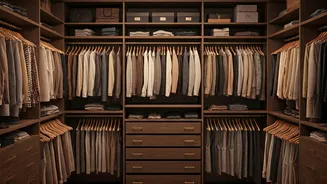
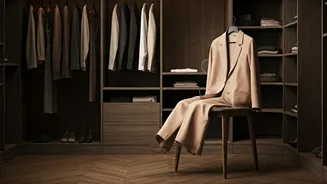
Adopting clothing solely to conform to transient fashion trends can impose a significant psychological burden, fostering a distinct form of modern anxiety. This constant need to measure one's relevance against a constantly shifting target can be draining. The pivotal moment arrives when you clearly define who you are. At this point, clothing transforms from a source of daily stress into a powerful tool for psychological empowerment. It becomes more than just fabric; it's a projection of your identity, communicating who you are before you even speak. Reflect on the iconic 1990s runways where Versace famously featured supermodels like Cindy Crawford, Linda Evangelista, and Naomi Campbell. He understood that their immense, unique personalities elevated the garments. The individuals commanded attention; the clothes did not overpower them. Navigating today's trend-saturated fashion landscape necessitates a conscious recalibration. True elegance involves consciously stepping back from the digital cacophony and curating a wardrobe that genuinely serves and enhances your life, ensuring that you, not the trends, are in command of your personal narrative.