





Idli: South Indian Staple
Idli, a steamed rice cake, stands as a cornerstone of South Indian cuisine. Its origins trace back to the region, and its simplicity belies its nutritional
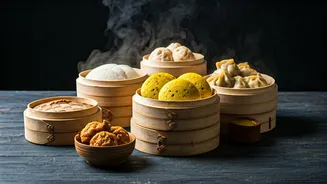
value. The process involves soaking rice and urad dal (black lentils), grinding them into a batter, and allowing it to ferment overnight. This fermentation process is key, as it enhances the flavor and makes the idli easier to digest. The batter is then steamed in special molds, resulting in a soft, fluffy cake. Idli is usually served with sambar (a lentil-based vegetable stew) and chutney, offering a balanced and wholesome meal. The light and airy texture of idli makes it a perfect breakfast option, appealing to both taste and health-conscious individuals alike. It's a low-calorie food, rich in carbohydrates, and offers a good dose of protein due to the lentils used.
Dhokla: Gujarati Delight
Dhokla, a savory steamed cake, represents the vibrant culinary traditions of Gujarat. It's made from a fermented batter of gram flour (besan), often with the addition of spices like green chilies, ginger, and turmeric. The batter is steamed until it rises and sets, creating a light and spongy texture. A tempering of mustard seeds, curry leaves, and sometimes asafoetida (hing) is poured over the dhokla, adding both flavor and aroma. Dhokla can be enjoyed as a snack or a breakfast item. It’s also often accompanied by chutney and served with a sprinkle of fresh coriander. This dish is known for its distinctive tangy taste and airy texture. It is a good source of protein and carbohydrates, making it a filling and flavorful way to start the day. The fermentation adds to the nutritional value.
Modak: Maharashtrian Sweet
Modak, a sweet dumpling, is particularly significant in Maharashtrian cuisine, often associated with the festival of Ganesh Chaturthi. It’s a steamed treat typically made from rice flour. The exterior is made of rice flour dough, and the interior is filled with a mixture of grated coconut and jaggery. The dumpling is then steamed until cooked through. Modak is appreciated for its sweet taste and soft texture. Different variations exist, including those made with khoya (reduced milk solids) and dry fruits. It's considered a symbol of good fortune and is often offered to Lord Ganesha during religious ceremonies. While primarily a festive treat, it is also enjoyed as part of breakfast, offering a sweet and satisfying start to the day. Modak is rich in carbohydrates from rice flour and sugars from jaggery.
Puttu: Kerala's Favorite
Puttu, a steamed cylindrical cake, is a beloved breakfast staple in Kerala. It's typically made from coarsely ground rice flour and coconut. Layers of rice flour and grated coconut are alternated in a cylindrical mold and then steamed until cooked. Puttu is traditionally served with kadala curry (black chickpea curry) or with ripe bananas and grated coconut. It's known for its unique texture and mild, comforting flavor. The use of coconut adds a subtle sweetness and moisture to the dish. Puttu provides a good source of carbohydrates and fiber from the rice flour, while the coconut adds healthy fats. It is a quick and easy breakfast, often enjoyed throughout the day.
Idiyappam: String Hopper Delight
Idiyappam, also known as string hoppers, are thin rice noodles steamed into a delicate nest. This dish is popular in South India and Sri Lanka. The process involves pressing rice flour dough through a sevai maker to create the noodle strands, which are then steamed. Idiyappam has a very soft and light texture. They are often served with vegetable stew (stew) or with a variety of chutneys. It’s a very versatile dish. The bland flavor of idiyappam makes it a perfect base for flavorful accompaniments. They are low in calories and fat and provide a good source of carbohydrates from the rice flour. This steamed dish is often eaten for breakfast and is known for its simple yet satisfying taste.
Khaman: Another Gujarati Dish
Khaman is another popular steamed snack from Gujarat, closely related to dhokla but with some differences. Made from a batter of gram flour (besan), it's often spiced with green chilies, ginger, and sometimes other seasonings. The batter is steamed until it becomes fluffy and light. A tempering of mustard seeds, curry leaves, and sometimes asafoetida is poured over the khaman, enhancing its flavor and aroma. Khaman has a lighter texture compared to dhokla and is often served with a variety of chutneys, making it a delicious and fulfilling breakfast option. This dish is known for its savory taste and soft, airy texture. It provides protein and carbohydrates from the gram flour, making it a wholesome breakfast choice.
Uttapam: South Indian Pancake
Uttapam, a savory pancake, originates from South India and is another popular breakfast option. The batter is similar to that used for idli (fermented rice and lentil batter), but it is thicker. Various toppings, such as onions, tomatoes, chilies, and coriander, are added to the batter while it cooks on a griddle. However, Uttapam can also be steamed. The steaming process gives it a softer and fluffier texture. Uttapam is often served with sambar and chutney. The variety of toppings adds flavors and textures, making it a balanced breakfast meal. It’s a versatile dish offering nutritional benefits from the lentils and rice used in the batter, and vitamins and minerals from the vegetables used in toppings.
Bati: Rajasthani Staple
Bati, a baked or steamed wheat ball, is a specialty from Rajasthan, often eaten with dal (lentil stew). Although traditionally baked, it can also be steamed for a healthier version. The dough is usually made from wheat flour and ghee (clarified butter), often with spices like carom seeds (ajwain). The steamed bati offers a different textural experience than the baked one. It’s served with dal and often with churma (sweet crumbled bread). Steaming offers a lighter version, making it suitable for a regular breakfast. It is a filling breakfast that provides carbohydrates from the wheat and protein from the dal. The combination of textures and flavors makes it a well-loved regional breakfast.
Poha: Flattened Rice Delight
Poha, made from flattened rice, is a common breakfast dish throughout India. The flattened rice is soaked and then sauteed with onions, potatoes, mustard seeds, turmeric, and other spices. The dish is quick to prepare and can be steamed to create a softer consistency. Poha is often garnished with coriander and lemon juice. The ease of preparation and the lightness make it a popular breakfast choice. Poha provides carbohydrates from the rice and essential nutrients from the added vegetables and spices. This simple yet flavorful dish is a favorite across different Indian regions and is a complete breakfast with a balance of taste and nutrition.
Vada: Savory Doughnut
Vada, a deep-fried or steamed savory doughnut, is a popular breakfast item across India, especially in the South. Made from urad dal (black lentils), the batter is fermented and then either deep-fried or steamed. The steamed version offers a healthier option. Vada is often served with sambar and chutney. Vada offers a satisfying breakfast, providing carbohydrates and proteins. The steaming process makes it a less oily, healthier alternative. It’s an easy-to-prepare meal, and the diverse accompaniments add to the flavor and nutritional value. The various accompaniments, such as chutney and sambar, enhance the overall breakfast experience, making vada a popular and enjoyable breakfast option.