






Timing is Key
The period immediately following childbirth is a time of immense physical and emotional adjustment. Prioritizing weight loss too soon can hinder the body's
natural healing process. It's generally recommended that women wait until after the initial postpartum period, typically six to eight weeks, before focusing on weight loss. During this time, the body is recovering from pregnancy and delivery. This period allows time for proper healing, the establishment of breastfeeding (if applicable), and adjustment to the demands of caring for a newborn. Rushing into weight loss can be counterproductive, potentially leading to fatigue, nutrient deficiencies, and interference with breastfeeding. Always consult with a healthcare provider before starting any weight loss program postpartum.
Focus on Health
Instead of aiming for rapid weight loss, the primary focus in the initial postpartum period should be on overall health and well-being. This includes nourishing the body with a balanced diet rich in essential nutrients. A focus on whole foods, including fruits, vegetables, lean proteins, and whole grains, will provide the energy needed for caring for a newborn. Adequate hydration is also essential, especially for breastfeeding mothers. Regular, gentle exercise, such as walking, can be incorporated gradually as the body heals and energy levels improve. Prioritizing rest and stress management is crucial, as chronic stress can hinder weight loss and overall recovery. Seeking support from loved ones, and professionals, and practicing self-care are vital for physical and emotional well-being.
Dietary Strategies
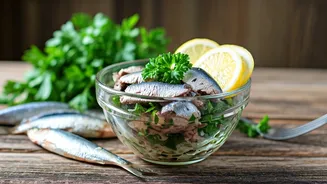
A balanced diet plays a significant role in postpartum weight management. It’s important to avoid restrictive diets that can deprive the body of essential nutrients. Focus on consuming nutrient-dense foods that support both the mother's and baby’s health (if breastfeeding). This involves incorporating lean protein sources (chicken, fish, beans), plenty of fruits and vegetables, and whole grains. Healthy fats from sources such as avocados, nuts, and olive oil should also be included. Breastfeeding mothers may need to increase their calorie intake slightly to meet the energy demands of milk production. It's also important to stay well-hydrated. Limit processed foods, sugary drinks, and excessive caffeine intake. Consulting with a registered dietitian or nutritionist can help create a personalized meal plan tailored to individual needs and goals.
Exercise Considerations
Exercise plays a crucial role in postpartum recovery and weight management. However, it's essential to start slowly and gradually increase the intensity. Begin with gentle exercises like walking or light stretching, as the body heals. Pelvic floor exercises and core strengthening are particularly beneficial. As fitness levels improve, gradually introduce more challenging exercises, such as jogging, swimming, or strength training. Listen to the body and avoid overexertion, particularly in the initial weeks and months. It's recommended to consult with a healthcare provider or a certified fitness professional before beginning an exercise program. They can provide guidance on safe and effective exercises, considering individual health status and fitness levels. Consistency is key, and finding activities that are enjoyable will increase the likelihood of sticking to an exercise routine.
Realistic Expectations
Postpartum weight loss is not always a quick process. The body has undergone significant changes during pregnancy, and it takes time to recover. Setting realistic expectations is essential to avoid disappointment and discouragement. Avoid comparing your progress to others, as everyone's journey is unique. Focus on making sustainable lifestyle changes, rather than aiming for rapid results. Celebrate small victories and acknowledge progress. Be patient with yourself. Remember that the priority is overall health and well-being. It is possible to achieve weight loss goals while also enjoying motherhood and caring for a newborn. Embrace a balanced approach that combines a healthy diet, regular exercise, and self-care. It's important to remember that the focus should be on creating a healthy lifestyle that supports long-term well-being.