






Defining 'Spicy'
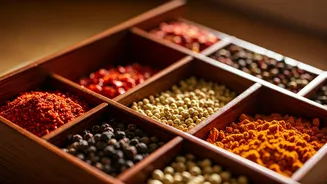
One of the initial and most striking adjustments for newcomers to India revolves around the subjective nature of 'spicy.' What one person considers mild,
another might find intensely hot, making every culinary experience a delightful gamble. Kristen Fischer notes that there's no universal standard for heat, and what locals deem 'not spicy' can be a significant challenge for unfamiliar palates. This unpredictability transforms meal times into an exciting, albeit sometimes daunting, adventure for those new to the Indian food scene, highlighting the personal interpretation of taste.
Embracing Fluidity
For those accustomed to rigid schedules and predictable outcomes, India presents a unique test of adaptability. Fischer points out that plans are frequently subject to change, with unexpected traffic congestion, spontaneous visits from friends and family, and emergent errands becoming common occurrences. Initially, this lack of strict order might feel chaotic, but over time, residents often develop a remarkable ability to 'go with the flow.' This flexibility is identified as a crucial survival skill, fostering a sense of ease and acceptance of the unpredictable nature of daily life.
Street Food Delights
India's vibrant street food scene is an undeniable draw, offering an incredible array of flavors and culinary experiences. However, Fischer also cautions that it comes with its own set of risks. While the temptation of delicious treats like pani puri and roadside chai is immense, there's always a chance of an unfortunate digestive outcome. Despite the potential for regret, the sheer variety and unforgettable tastes make street food an essential part of the expatriate experience, a trade-off between pure enjoyment and potential discomfort.
Proximity is Comfort
In contrast to cultures that emphasize personal space, India often features a more intimate approach to physical closeness. Whether navigating crowded markets, standing in queues, or participating in family gatherings, individuals tend to be in closer proximity to one another. Fischer observes that this isn't typically perceived as intrusive but rather as a reflection of warmth, familiarity, and a strong sense of community. Once one adjusts to this closeness, it can foster a feeling of connection and belonging, making shared spaces feel more comfortable.
Room for All
A heartwarming characteristic of Indian culture, as highlighted by Fischer, is the inherent willingness to accommodate unexpected guests. Even in situations that seem already at full capacity—be it a car, a dining table, or a social event—there is almost always room made for newcomers. This ingrained sense of inclusion means that people are readily welcomed and accommodated, with hospitality taking precedence over logistical concerns. It's a testament to the community spirit where making space for one more is a natural impulse.
Fluid Timekeeping
Perhaps one of the most universally recognized cultural quirks is the flexible interpretation of time, particularly the phrase 'five minutes.' Fischer humorously points out that this phrase rarely signifies a literal 300-second interval. Instead, it acts more as a temporal suggestion, potentially ranging from fifteen minutes to much longer, or simply conveying an intention to arrive 'eventually.' This fluid concept of time initially bewilders newcomers but eventually becomes a normalized aspect of life, emphasizing that 'five minutes' is more of a feeling than a precise measurement.
Traffic as Art
Navigating Indian roads presents a unique spectacle, where traffic rules often appear more as guidelines than strict regulations. Fischer humorously describes the driving as having its own rhythm, characterized by frequent honking, unconventional lane changes, and creative parking. While this can seem bewildering to outsiders, there's an underlying, unspoken understanding among local drivers that allows them to move cohesively. Observing this dynamic traffic flow reveals a complex system that, surprisingly, functions effectively through a shared, albeit informal, set of practices.
Cultivating Patience
Life in India consistently cultivates a profound sense of patience. Whether waiting for deliveries, appointments, public transport, or bureaucratic processes, individuals frequently find themselves in situations that demand a calm demeanor. Fischer notes that over time, the initial frustration experienced during these waits gradually transforms into acceptance. This waiting period can even be repurposed for productive tasks or moments of quiet reflection, turning patience into a highly practical and valuable life skill.
Humor as a Tool
Complementing the development of patience, a good sense of humor is presented as an essential tool for navigating daily life in India. Fischer suggests that situations that might initially cause annoyance—such as unexpected power outages, mix-ups in orders, or general delays—often become humorous anecdotes shared later. This lighthearted approach to challenges transforms potential frustrations into memorable stories, making it easier to adapt and feel at home amidst the country's unique rhythm.
Direct Conversations
Conversations in India often take a more direct route than in many Western cultures. Fischer observes that personal questions concerning age, financial status, marital life, and family planning, which might be considered too intrusive elsewhere, are commonly asked. However, this directness is typically rooted in genuine curiosity rather than impoliteness. As one becomes accustomed to this style of interaction, answering such questions becomes a standard and accepted part of the social fabric, reflecting a different approach to interpersonal communication.