






The Pink Imposter Revealed
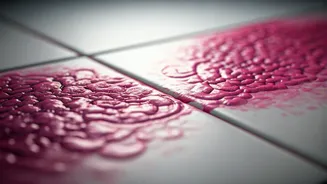
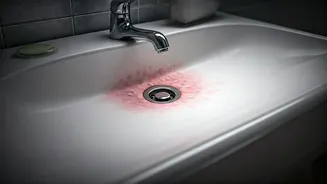
The pervasive pinkish-red film that often materializes in damp bathroom spaces is a common source of frustration for homeowners. Despite its colloquial
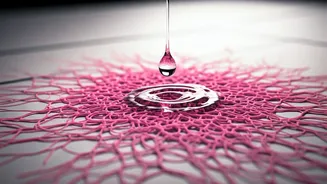
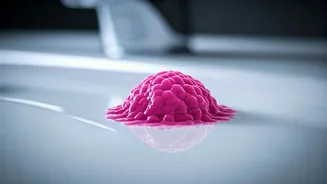
name, 'pink mould,' this unwelcome guest is not a fungus at all. Instead, it's a type of bacteria known as Serratia marcescens. This microorganism flourishes in environments characterized by consistent moisture and readily available organic matter, such as soap scum and residues from personal care products like shampoos and conditioners. While generally not a significant health threat to individuals with robust immune systems, Serratia marcescens can present risks to those whose defenses are compromised, potentially leading to infections in rare instances. Understanding its true nature is the first step in effectively managing and eliminating it.
Why It Keeps Returning
The persistent nature of Serratia marcescens in bathrooms can be attributed to a cycle of incomplete cleaning and ideal environmental conditions. Even after a surface appears clean, a microscopic layer of soap residue, skin cells, and mineral deposits often remains. When combined with the inherent dampness of a bathroom, particularly around sinks, showers, and grout lines, this residue serves as a readily accessible food source for the bacteria. This allows them to quickly re-establish colonies. Scientific research, like that exploring microbial biofilms, explains that bacteria can form tenacious, protective layers on surfaces, making them difficult to eradicate with a mere wipe. This protective matrix allows them to survive and proliferate, explaining the frustrating recurrence of the pink stains shortly after cleaning.
Effective Cleaning Strategies
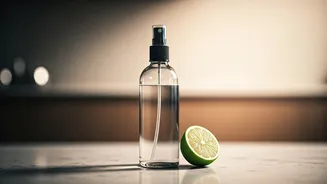
Fortunately, tackling this bacterial intruder doesn't necessitate expensive or specialized cleaning products. Simple, readily available household items can be highly effective. A mixture of white vinegar and water, when sprayed onto the affected areas and allowed to sit for a period, can help break down the bacterial film. Scrubbing with an old toothbrush is particularly useful for reaching into grout lines and crevices. For more stubborn patches, a paste made from baking soda and dish soap can be applied. This abrasive yet gentle combination is effective at lifting the film without damaging bathroom surfaces. Patience during the cleaning process is key; rushing can leave behind residual bacteria, ensuring their quick return.
Prevention is Key
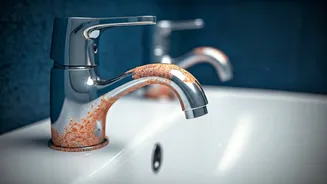
Beyond immediate cleaning, implementing consistent preventative measures is crucial for long-term success against Serratia marcescens. Ensuring thorough drying of all bathroom surfaces after use is paramount. This includes wiping down sinks, shower walls, and faucets. Improving ventilation by opening windows or using exhaust fans helps to reduce ambient moisture. Regular, routine cleaning, even before visible signs appear, targets potential bacterial growth early. Focusing on areas prone to water accumulation, such as around soap dispensers, shower curtain edges, and corners, will further disrupt the bacteria's preferred habitat. By making these simple practices a regular part of your bathroom maintenance, you create an environment less conducive to bacterial proliferation.