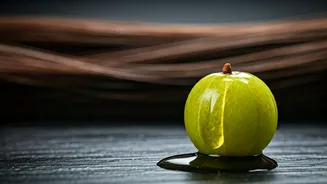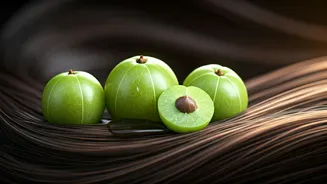




The Amla Oil Phenomenon
In today's beauty landscape, traditional remedies for achieving exceptionally long hair are frequently highlighted, with Amla oil often taking center stage.
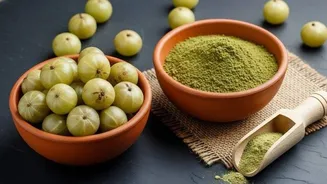
Revered by previous generations and now widely popular online, this potent extract from the Indian gooseberry is hailed as a key ingredient for hair growth. However, a closer examination reveals that while Amla oil is not a magical potion for hyper-speed hair growth, it is indeed a valuable asset for cultivating healthier, fuller hair. The reality lies in understanding its scientifically proven capabilities for hair retention and density, rather than expecting an unrealistic acceleration of the natural growth cycle. Consistent application over approximately 12 weeks is typically needed to observe significant improvements in hair thickness and resilience.
Growth Rate Realities
The notion that any topical oil can drastically accelerate the inherent speed at which hair grows is a misconception. Biologically, human hair has a predetermined growth rate, generally around half an inch per month. This rate is fundamentally influenced by a combination of genetic factors, an individual's age, and their overall internal health. No oil, serum, or supplement currently available can fundamentally alter or significantly boost this genetically programmed pace. Therefore, anticipating a dramatic increase in hair length within a week or two of using Amla oil is an unrealistic expectation and may lead to disappointment.
The Secret to Retention
If Amla oil doesn't expedite the biological hair growth process, then why do so many individuals report experiencing faster growth when using it? The explanation lies predominantly in enhanced hair retention and a significant reduction in hair breakage and shedding. When users observe what they perceive as 'rapid' growth, they are typically witnessing their hair's ability to retain existing length, rather than an increased growth rate from the scalp. This improved retention is a direct result of Amla oil's protective and strengthening properties. Scientific studies support Amla's efficacy in promoting thicker, more robust hair health by minimizing the loss of hair that is already growing.
Scalp Protection Powerhouse
Amla stands out as one of nature's most abundant sources of Vitamin C, richly endowed with protective compounds like tannins, flavonoids, and polyphenols. Daily environmental stressors, including pollution, UV radiation, and the natural aging process, can compromise the health of the scalp. The substantial antioxidant content in Amla works to neutralize these damaging free radicals, thereby cultivating a more conducive and healthy environment for hair follicles to flourish. Furthermore, the act of massaging Amla oil into the scalp enhances local blood circulation. This stimulation ensures that essential fatty acids and crucial nutrients are efficiently delivered to the hair bulb, fortifying the hair shaft from within and helping to prevent issues like split ends and breakage.
Extending the Growth Cycle
While not a miracle cure, Amla oil is a scientifically validated and highly effective treatment for hair health. It plays a crucial role in prolonging the active growth phase of hair, known as the anagen phase. Clinical research has demonstrated that Amla extract can increase the production of specific growth factors, such as IGF-1 and VEGF. In simpler terms, this means Amla oil signals hair follicles to remain in their active growth period for an extended duration before the natural shedding process occurs. This extended anagen phase contributes to achieving longer, more resilient hair over time.
Combating Hair Loss Hormones
Perhaps one of Amla oil's most significant benefits is its ability to counteract hair loss hormones. Evidence suggests that Amla acts as an inhibitor of the enzyme 5-alpha reductase. This is a biological mechanism that is also targeted by potent, prescription-strength hair loss medications. By inhibiting this enzyme, Amla oil helps to prevent the conversion of testosterone into DHT (dihydrotestosterone). DHT is a hormone widely recognized for its role in shrinking hair follicles and leading to hair thinning and loss. Amla's natural inhibitory action offers a protective effect against this common cause of hair reduction.