






The Unsustainable Demand
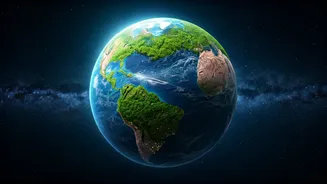
The planet is facing a critical challenge as human demands now significantly exceed its capacity to naturally replenish resources. Research indicates that
our current way of living requires approximately 1.7 to 1.8 Earths to be truly sustainable. This means we are consuming natural capital at a rate that outpaces nature's ability to regenerate it by a substantial margin, estimated to be between 70% and 80% faster. The implications of this ecological deficit are far-reaching, contributing to environmental degradation and resource scarcity that will inevitably impact future generations. The study, a comprehensive analysis of demographic and resource use trends over two centuries, points to a clear deviation from a balanced relationship with our environment.
A Turning Point Post-1950s
The period following the 1950s marked a significant inflection point in the relationship between human population, industrialization, and resource consumption. Before this era, there was a more harmonious equilibrium between the number of people on Earth and the planet's ability to support them. However, the rapid advancements in technology, coupled with an unprecedented surge in industrial output and a dramatic increase in consumerism, disrupted this balance. This era is characterized by what researchers term a 'negative demographic phase,' where the addition of more people does not necessarily correlate with an acceleration in overall growth. Projections suggest that if these trends persist, the global population might peak between 11.7 and 12.4 billion by the late 2060s or 2070s.
Ecological Debt and Consequences
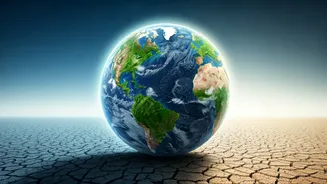
The continuous strain on Earth's resources, far exceeding its regenerative capabilities, leads to a state of 'ecological debt.' This persistent pressure manifests in a cascade of environmental crises. These include the accelerating pace of climate change, a significant decline in biodiversity as species struggle to adapt or face extinction, widespread deforestation driven by the demand for land and resources, and the depletion of vital natural reserves like fresh water and fertile soil. The study underscores that our planet cannot sustain even the current level of demand without fundamental alterations to our practices, emphasizing that we are pushing ecological limits to an unsustainable degree.
The Ideal Sustainable Population
For a truly balanced and sustainable existence, the world's population would need to be significantly lower. Calculations suggest that a population level closer to what the Earth supported in the mid-twentieth century would be ideal. Specifically, the research indicates that a global population of approximately 2.5 billion people could live within ecological limits while maintaining comfortable and economically secure living standards for all. This figure represents a stark contrast to current and projected population numbers, highlighting the immense gap between our present trajectory and a sustainable future. Achieving this balance requires a re-evaluation of societal priorities and consumption patterns.
Consumption: The Hidden Driver
While population size is a factor, the study strongly emphasizes that consumption habits play an equally, if not more, critical role in planetary strain. A smaller population with high levels of consumption can exert greater pressure on the environment than a larger population with more modest consumption patterns. This dynamic is particularly relevant when considering the impact of wealthier nations, which often have significantly higher per capita resource use. The research unequivocally demonstrates that the problem is not solely about the number of people but critically about how much each person consumes and the environmental footprint associated with that consumption.
A Call for Global Action
The findings of this study serve as a compelling call to action, underscoring the necessity for transformative changes in both population dynamics and consumption behaviors. A reduction in population growth, coupled with a significant decrease in per capita consumption, would yield more favorable outcomes for both humanity and the planet. While the window for effective intervention is narrowing, meaningful change remains attainable through concerted international cooperation. The choices made in the coming decades will be pivotal in determining the well-being of future generations and the enduring resilience of the natural world that sustains all life on Earth.