





The Soul's Bright Flame
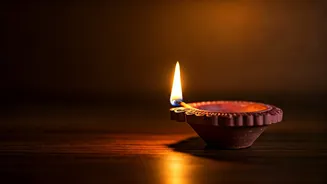
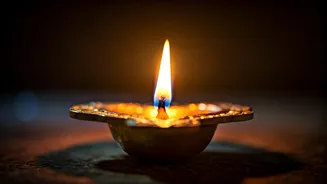
In the serene moments of dawn or dusk, a humble clay lamp, or diya, is often lit. This act, involving the careful addition of oil and adjustment of a cotton
wick, ignites a gentle flame. The soft radiance emanating from the diya does more than just warm a room; it guides attention inward, fostering a sense of calm and presence. Far from being a mere daily chore, the lighting of a diya before prayer serves as a deliberate pause, a method to quiet the mind and prepare for introspection. Throughout temples and home altars, the diya carries multiple layers of significance, symbolizing knowledge, devotion, self-control, and the ongoing path of personal evolution.
Invitation to the Sacred
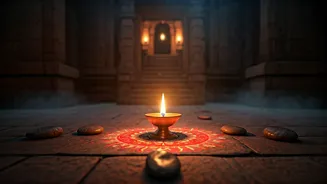
The illumination provided by the diya transforms a regular space into a consecrated area, signifying a shift in purpose and atmosphere. In numerous households, the presence of a lit diya conveys warm hospitality, indicating readiness and an openness for focused engagement. It signals that the space is prepared for mindful speech, such as prayer, and attentive listening. In this capacity, the flame acts less as a functional object and more as a gateway, bridging the mundane with the sacred, inviting a spiritual presence into the environment.
Knowledge Over Ignorance
For ages, spiritual teachings have employed the metaphor of light to represent knowledge and darkness to signify ignorance. The diya makes this abstract concept tangible and visible. Lighting a lamp before prayer is not simply a visual cue; it is a public declaration of one's commitment to seeking clarity and understanding. The flame serves as a prompt for the worshipper to transition from a state of mental confusion or uncertainty to one of focused attention. In essence, a diya offers a foundational lesson for spiritual life: to pay close attention, recognize where one feels lost, and actively move towards enlightenment and wisdom.
Consuming for Brilliance
The physical elements of the diya itself hold symbolic weight. The wick is often associated with the ego, the sense of self, while the oil represents the driving passions and desires, such as greed, anger, and attachment, that fuel the ego. As the lamp burns, these components are gradually consumed and transformed into pure light. This imagery powerfully illustrates the process of spiritual practice: like the steady flame, it involves the gradual dissolution of lower, less refined aspects of oneself to allow for the emergence of something more luminous and clear. This transformation is depicted not as an abrupt event, but as a slow, consuming process.
The Soul's Steadfastness
Observing a diya closely reveals the consistent, unwavering nature of its flame. It naturally rises upward, remains steady, and resists being confined or distorted by the vessel that holds it. This behavior serves as a potent metaphor for the 'atman,' or the soul, representing the eternal inner self that traditions posit remains constant and unchanging, irrespective of shifts in the physical body or surrounding circumstances. For many individuals engaged in spiritual pursuits, watching the diya offers a way to set aside fleeting worries and acknowledge a deeper, more enduring continuity within themselves.