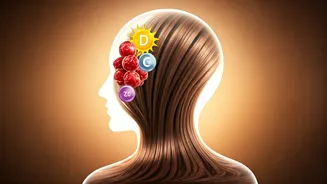




The Protein Foundation
Your hair's very structure is built from protein, primarily keratin. When your dietary protein intake is insufficient, your body prioritizes essential
bodily functions over hair growth, leading to more hair entering the shedding phase. This is particularly noticeable for individuals undergoing strict calorie restrictions without adequate protein, resulting in noticeable thinning. To combat this, ensure each meal includes a source of protein, such as eggs, lentils, paneer, chicken, fish, tofu, or a handful of nuts, fostering consistent hair regeneration.
Iron's Oxygen Role
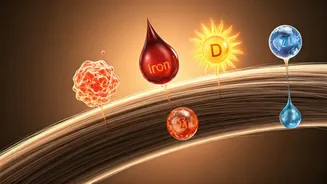
Iron plays a vital role in transporting oxygen throughout your body, including to the hair follicles. A deficiency in iron, especially low ferritin levels, can starve these follicles of essential oxygen, leading to weakened strands and increased shedding, a condition often identified as telogen effluvium. Symptoms like persistent fatigue, dizziness, and pale skin may accompany this deficiency. To replenish iron, incorporate iron-rich foods like spinach, beetroot, jaggery, dates, and lentils, while enhancing absorption with vitamin C-rich foods like lemon.
Vitamin D's Connection
Often recognized for its bone health benefits, Vitamin D is also crucial for hair vitality. Low levels of this vitamin have been linked to various forms of hair loss, including patchy thinning. Many individuals are unaware of their Vitamin D deficiency, particularly those who spend limited time outdoors. Regular, moderate sun exposure (15-20 minutes daily) can help boost levels, alongside consuming foods like eggs, fortified milk, and fatty fish, with supplements considered if necessary under medical guidance.
Zinc for Repair
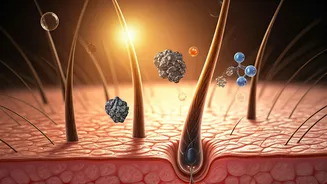
Zinc is an unsung hero in hair health, indispensable for maintaining robust hair follicles and regulating scalp oil production. A deficit in zinc can result in hair that is dry, brittle, and prone to breakage. Studies indicate that individuals experiencing hair loss often have lower zinc levels, and supplementation can sometimes aid in regrowth. A dry, flaky scalp, also a symptom of low zinc, further exacerbates hair issues. Increasing intake of pumpkin seeds, nuts, whole grains, dairy, and legumes can help restore adequate zinc levels.
Biotin for Strength
Biotin, commonly known as Vitamin B7, is essential for maintaining hair strength. Insufficient biotin can lead to hair becoming brittle, thin, and more susceptible to shedding and breakage. While biotin deficiency is not extremely prevalent, it can manifest as hair loss, particularly in those with less than optimal diets or certain health conditions. Fortunately, many foods naturally contain biotin, such as egg yolks, nuts, seeds, bananas, and whole grains, making dietary adjustments a primary approach before considering supplements.