






The Oil Stain Dilemma
Experiencing an accidental spill of cooking oil on your attire can be a moment of dismay, particularly when dealing with delicate fabrics like silk or
cotton. Often, the immediate reaction is to reach for potent, chemically-laden cleaning sprays that carry strong artificial scents. These conventional cleaners, while seemingly effective, can be harsh on both fabrics and the environment. The common knowledge suggests that oil stains are notoriously difficult to remove, leading many to believe they are permanent marks. However, a more natural and readily available solution exists, nestled within the very heart of our kitchens, offering a gentler and more sustainable approach to garment care.
Cornstarch: Nature's Absorber
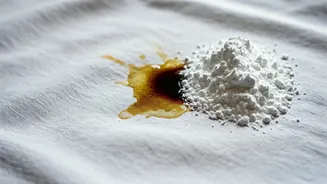
The humble cornstarch, often used as a thickening agent in culinary preparations, emerges as a surprisingly effective agent for combating grease marks. Its unique physical properties make it an excellent natural absorbent. Oil, being hydrophobic, repels water and clings tenaciously to fabric fibers during washing. Cornstarch, conversely, is a porous substance with an extensive surface area, making it exceptionally adept at soaking up and trapping these oil molecules. When applied generously to a fresh oil stain, the cornstarch initiates a physical absorption process, effectively drawing the grease out of the material and into the powder itself. Allowing it to sit for approximately twenty minutes enables this natural wicking action, after which the powder, along with a significant portion of the oil, can be easily brushed away, leaving the fabric remarkably cleaner.
Tackling Tougher Stains
For those older or more deeply set oil stains that resist initial treatment, a synergistic approach combining natural remedies with modern cleaning science can be highly effective. While cornstarch excels at addressing immediate spills by physically absorbing the grease, persistent stains may require additional intervention. Research indicates that certain enzymes, particularly lipases found in some detergents, are designed to break down fatty substances into units that are more readily soluble in water. Therefore, for stubborn marks, using a detergent containing these enzymes, after a cornstarch pre-treatment, ensures that any residual oil particles are effectively detached and washed away during the final rinse cycle. This dual-action method is not only powerful but also gentle enough for delicate fabrics and contributes to a more environmentally conscious laundry routine.
A Greener Cleaning Choice
The increasing awareness of environmental impact has spurred a shift towards sustainable cleaning practices, moving away from conventional laundry detergents that can contribute to surfactant contamination in aquatic ecosystems. Cornstarch stands out as an ideal alternative due to its accessibility, affordability, and eco-friendly profile. It is entirely biodegradable, non-toxic, and safe for the environment. Furthermore, its application on delicate materials such as wool or silk is straightforward and poses no risk of damaging or weakening the fibers. This method aligns perfectly with the growing trend of sustainable living, allowing for effective garment care without compromising ecological values. Innovations in cleaning agents, such as new plant-derived compounds that rival petroleum-based counterparts in efficacy, further support this greener approach. By integrating cornstarch pre-treatment with eco-friendly detergents, one creates a comprehensive cleaning strategy that is both efficient and environmentally responsible.
Swift Action, Best Results
To achieve the most successful outcome when dealing with oil stains, prompt action is paramount. As soon as a spill occurs, it's crucial to act swiftly. Lay the affected garment flat on a clean surface, ensuring the stained area is accessible. Generously cover the entire stain with cornstarch, applying enough to completely obscure the original color of the fabric beneath the powder. It's important to resist the urge to scrub the cornstarch into the fabric, as this can inadvertently push the grease deeper into the material. Instead, gently dab the powder until you notice it beginning to clump or darken, indicating it has absorbed oil. Once this happens, carefully brush away the saturated cornstarch. Following this, apply a small amount of biodegradable dish soap directly to the area, and then proceed to launder the garment as usual. This methodical approach maximizes the cornstarch's absorption capability and prepares the stain for easy removal during the wash cycle.