





The Age Discrepancy
It's a startling revelation: many 35-year-olds are found to have arteries that behave like those of someone 15 to 20 years older. This phenomenon, known
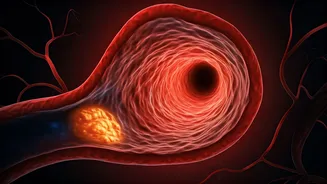
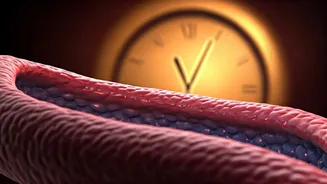
as 'early vascular ageing,' is a growing concern among Indian cardiologists. While your chronological age is simply the number of years you've been alive, your biological age reflects the actual condition and functional capacity of your body's organs. This disparity occurs because factors like chronic stress, poor dietary choices high in sugar and salt, lack of physical activity, insufficient sleep, and unmanaged health conditions like hypertension and diabetes can silently inflict damage. These lifestyle elements accelerate the ageing process of your arteries, making them stiffer, prone to plaque buildup, and less efficient at facilitating blood flow. This accelerated ageing significantly elevates the risk of serious cardiovascular events like heart attacks and strokes, even in younger individuals who may otherwise feel perfectly healthy.
Invisible Arterial Damage
The danger of early vascular ageing lies in its stealthy progression. Many people, especially younger adults, operate under the dangerous myth that heart disease is an ailment exclusively for the elderly. They might feel fine, have no outward symptoms, and receive normal results on basic check-ups, leading them to believe their cardiovascular system is robust. However, beneath this façade of well-being, arteries can be silently stiffening and accumulating damage for years. This internal deterioration might not manifest until a critical event, such as a heart attack, occurs. Advanced tests like pulse wave velocity, carotid intima-media thickness scans, or coronary calcium scoring can reveal this hidden damage, though they aren't part of routine screening for everyone. The World Health Organization consistently identifies cardiovascular diseases as the leading global cause of mortality, and this risk is no longer confined to older demographics.
Consequences of Stiff Arteries
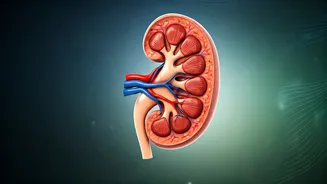
When arteries lose their natural elasticity and become stiff, a cascade of detrimental effects begins. This stiffness directly contributes to elevated blood pressure, creating a vicious cycle where high pressure further exacerbates the damage to the arterial walls. The consequences of reduced blood flow due to ageing arteries are far-reaching and can impact multiple vital organs. For the heart, it increases the likelihood of a heart attack. In the brain, it raises the risk of a stroke. The kidneys can suffer impaired filtration capabilities, and even men's sexual health can be affected. This progressive decline in vascular function underscores the critical importance of understanding and addressing biological ageing, as it dictates one's true health risk more accurately than chronological age alone.
Reversing the Clock
The good news is that unlike chronological age, which marches forward relentlessly, biological age and the health of your arteries are significantly modifiable. Experts emphasize that early vascular ageing is not an irreversible sentence. Through conscious and consistent lifestyle changes, individuals can actively work to restore their arteries' youthful flexibility and function. Embracing regular aerobic exercise, which has been scientifically proven to enhance arterial elasticity, is crucial. Complementing this with strength training supports overall metabolic health. Adopting a diet rich in vegetables, fruits, nuts, and whole grains can combat inflammation. Prioritizing seven to eight hours of quality sleep nightly helps regulate stress hormones. Even quitting habits like smoking can lead to noticeable improvements in vascular function within months. The power to influence your biological age and protect your future cardiovascular health lies in these daily choices.