







A Grand Lunar Vision
Nasa has articulated an incredibly ambitious initiative, potentially one of its most audacious space endeavors to date. The core of this plan involves
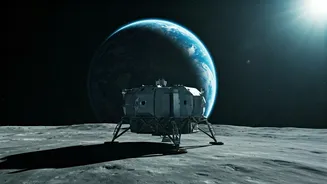
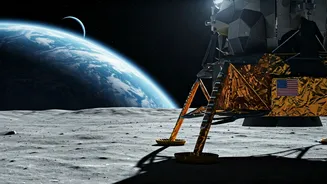
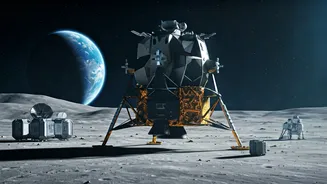
a staggering 73 separate landings on the lunar surface, all meticulously orchestrated with the ultimate objective of establishing a continuous human presence. This grand strategy is thoroughly documented in Nasa's recently unveiled 'Moon Base User's Guide.' The document not only illustrates the sheer scale of this undertaking but also frankly addresses the significant obstacles that must be overcome for its successful execution. Published on April 6th, this nine-page guide delves into the essential technical and operational deficiencies that Nasa must diligently work to resolve, transforming its visionary concept into a tangible reality. The agency is preparing for a dramatic escalation in lunar exploration, commencing with a substantial influx of robotic and uncrewed missions to ready the extraterrestrial terrain for eventual human occupation.
Phased Lunar Construction
Nasa's blueprint for a lunar settlement is strategically segmented into three distinct phases, each escalating in complexity and ambition. Phase 1, projected to span until 2029, encompasses 25 launches and aims for 21 successful landings, primarily focused on ensuring reliable access to the Moon and rigorously testing nascent systems. Subsequently, Phase 2, scheduled from 2029 to 2032, will involve 27 launches and 24 landings, marking the commencement of intermittent crewed missions. The ultimate objective, Phase 3, concentrates on sustaining a perpetual human presence. This final stage will necessitate an even greater number of launches and landings, alongside the crucial development of advanced cargo-return capabilities. The proposed base location, near the Moon's south pole, presents unique environmental challenges distinct from previous Apollo-era landing sites, particularly concerning power generation and extreme temperature fluctuations due to the Sun's consistently low angle.
Technological Hurdles
The realization of a permanent lunar habitat hinges on overcoming numerous critical technological deficits, as outlined in the 'Moon Base User's Guide.' Key areas requiring significant advancement include systems for highly precise landings, as well as robust mechanisms for detecting and mitigating potential hazards to ensure the safety of both equipment and astronauts. Furthermore, understanding and addressing the long-term physiological and psychological impacts of lunar living remains a paramount concern. Factors such as the pervasive lunar dust, the effects of reduced gravity, and exposure to persistent cosmic radiation pose substantial risks. Consequently, comprehensive life support systems, reliable food provisions, and effective physical training regimes must be meticulously planned and implemented well in advance of any crewed missions.
Pressures and Competition
Nasa faces a confluence of external pressures that heighten the urgency to achieve its lunar objectives. A significant driver is the burgeoning space race, with other nations, notably China, setting ambitious timelines for lunar exploration and base establishment by 2030. This international competition adds a layer of urgency to Nasa's endeavors. Adding to the complexity are the already substantial costs associated with the Artemis program, which has already incurred $100 billion, and persistent delays that have caused missed original target dates for crewed lunar landings. Compounding these challenges are potential budget constraints, with proposals for significant reductions in Nasa's funding, creating a precarious financial landscape for such a monumental undertaking. The overall goal aims to support a $20 billion moon base and facilitate the first crewed missions by 2028, also contributing to longer-term interplanetary ambitions like developing nuclear propulsion for Mars.