

Lactic Acid's Tan Dissolving Power
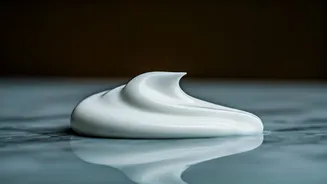
Grandma's wisdom holds up! Fresh milk cream, or malai, is more than just a comforting balm; it's a potent natural ingredient rich in lactic acid. This
compound is a gentle Alpha Hydroxy Acid (AHA), a key component often found in professional exfoliating treatments. Unlike abrasive scrubs that can irritate sun-damaged skin, malai works at a microscopic level. The lactic acid acts as a chemical agent, effectively dissolving the intercellular 'glue' that binds dead, pigmented skin cells. This process accelerates the natural shedding of the skin's uppermost layer, gradually revealing brighter, less tanned skin beneath. It's a safe and effective method for encouraging cellular renewal and lightening sun-induced darkening without causing harsh physical damage.
Soothing and Hydrating Benefits
Beyond its exfoliating capabilities, malai offers significant benefits for sun-exposed skin. Intense UV radiation can compromise the skin's natural lipid barrier, leading to dryness and a dull appearance. Malai, abundant in natural saturated fats, proteins, and ceramides, acts as a powerful emollient. These components help to fortify the skin's protective barrier, locking in essential moisture and restoring a healthy, hydrated glow. Furthermore, sun exposure often triggers micro-inflammation. Malai's inherent cooling properties help to calm this irritation and prevent post-inflammatory hyperpigmentation, a condition where the skin darkens further as a protective response. When combined with turmeric, the fats in malai facilitate the absorption of curcumin, a compound known for its melanin-inhibiting properties, by acting as a carrier system that delivers it deep into the skin cells.
Crucial Warnings and Alternatives
Before embracing this traditional remedy, a critical caution from skin experts must be heeded: malai is not suitable for everyone. It is highly comedogenic, meaning it has a strong tendency to clog pores. Individuals with oily, acne-prone, or fungal acne concerns should strictly avoid applying thick cream to their faces. The rich fatty content can trap excess sebum, create an environment conducive to bacterial growth, and potentially lead to severe breakouts. For those with oily skin types, dermatologists strongly suggest opting for lighter alternatives such as plain yogurt or soothing aloe vera gel, which offer similar benefits without the risk of pore congestion.
Malai vs. Risky DIYs
Despite the cautionary note for oily skin, dermatologists generally favor malai over many other popular do-it-yourself tan removal methods. They strongly advise against using highly acidic ingredients like raw lemon juice or tomato juice, which can cause chemical burns on skin already sensitized by the sun. Malai, in contrast, is known for its balanced pH, making it a much safer option. However, it's important to maintain realistic expectations. Malai works gradually to fade surface-level pigmentation and should be viewed as a gentle, consistent treatment rather than an instant solution for deep-set sun damage or signs of photo-aging. It's a slow and steady approach to regaining brighter skin.