






Why Glass Gets Cloudy
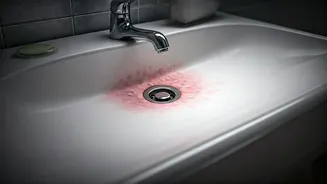
The persistent cloudiness on your shower glass isn't magic; it's the result of hard water minerals like calcium and magnesium. When water evaporates after
a shower, these minerals are left behind, gradually forming a film. Over time, this residue bonds with the glass surface, becoming increasingly stubborn and dulling its shine. This buildup is exacerbated by the very act of rinsing, which, once a layer is present, becomes insufficient to remove the clinging deposits. The result is a gradual degradation of the glass's clarity, making even a well-maintained bathroom appear less pristine. Understanding this process is the first step to combating it effectively, moving beyond the assumption that only potent cleaners can tackle the issue.
The Hotel's Secret Weapon
Hotels maintain that pristine shower glass not through exotic cleaning agents, but via consistent, proactive practices. They understand that regular, light maintenance is far more effective than infrequent deep cleans. This philosophy can be easily replicated at home. The core idea is to address mineral deposits before they harden and become deeply ingrained. This involves incorporating simple, effective cleaning solutions into your routine that break down these residues. The key takeaway is that the 'hotel sparkle' is achievable through mindful habits rather than relying solely on overwhelming cleaning power.
DIY Cleaning Paste Power
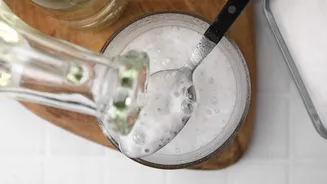
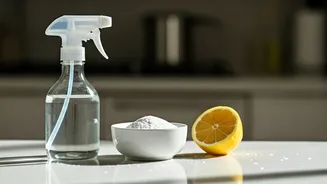
To replicate the hotel's cleaning prowess at home, a simple yet potent paste can be made using common kitchen ingredients. Combine baking soda with liquid soap and a touch of warm water until you achieve a smooth consistency with a slight abrasive quality. Apply this mixture to your shower glass using a sponge, working it into the surface. The warm water is crucial here; it enhances the effectiveness of the cleaning agents, helping to dissolve oils, grease, and the stubborn mineral deposits much faster. This warm water acts to lift residues and soap films efficiently, preventing streaks and reducing the likelihood of spots forming as the water evaporates, thus restoring your glass to its former brilliance.
Vinegar's Acidity Advantage
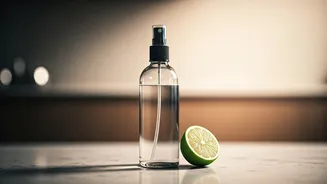
Another highly effective method for tackling mineral buildup on glass surfaces utilizes ordinary white vinegar. The inherent acidity of vinegar is a powerful dissolver of the calcium and magnesium deposits that cause cloudiness. When combined with a bit of dish soap, this solution becomes even more effective, capable of removing both mineral residue and soap scum with ease. This natural approach leverages the chemical properties of everyday items to break down tough grime, offering a gentle yet robust alternative to harsh commercial cleaners and proving that a sparkling shower is within reach using readily available household staples.
Prevention is Key
Maintaining that hotel-like shine requires more than just cleaning; it involves consistent preventative measures. After each shower, a quick drying of the glass with a squeegee or a soft cloth makes a significant difference. This simple step removes residual water before it can evaporate and leave minerals behind, thereby preventing new marks from forming. Additionally, ensuring adequate ventilation in your bathroom plays a vital role. By allowing excess moisture to escape, you reduce the environment where minerals can cling to surfaces. Even leaving the bathroom door slightly ajar can improve airflow and minimize the chances of mineral buildup, contributing greatly to long-term clarity.