
Building A Foundation
Creating a solid wardrobe foundation is the first crucial step in developing a personal style that works. Begin by focusing on key essential pieces that act
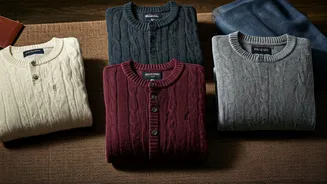
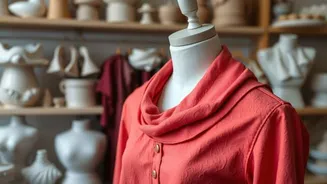
as the building blocks for countless outfits. Think classic items that can be mixed and matched – items that will always be in style. A well-stocked foundational wardrobe simplifies daily outfit choices and allows for versatility. Consider a collection of basic tops (such as t-shirts, tank tops, and button-down shirts) in neutral colors such as white, black, and gray. These can be layered and paired with various bottoms and outerwear. High-quality denim jeans are also a great choice. They are durable, comfortable, and always fashionable. Adding in well-fitting trousers is essential. These can be chinos, dress pants, or even wide-leg trousers. With a variety of these items, creating stylish ensembles becomes easier, highlighting your personality in the process.
Understanding Current Trends
Staying updated with current fashion trends can feel overwhelming, but it's really about developing an awareness. Paying attention to what’s new helps inform individual style choices. Magazines, fashion blogs, and social media platforms can serve as helpful tools to stay in the loop. These resources often showcase runway looks and street style, highlighting popular colors, silhouettes, and fabric choices. It’s also crucial to remember that trends are cyclical. What was fashionable decades ago often finds a revival. By understanding these patterns, it becomes easier to incorporate elements of trends into your wardrobe without feeling like you have to follow every single fad. Focus on the trends that resonate with your personal style. It's about taking inspiration from the fashion world. The goal is to enhance, not entirely change, your look.
The Power of Fit
The fit of your clothing has a big impact on how you look and feel. Clothes that fit properly always look more polished and flattering, regardless of the style or the price. Understanding your body shape is key to choosing clothes that fit well. Different body types have different needs. Knowing your measurements will guide you to find the right sizes. Consider the rise of your pants, the length of your sleeves, and the cut of a dress. It is all meant to suit your individual needs. Many retailers now offer a range of fits, such as slim, regular, and relaxed, making it easier to find clothes that work well with your body shape. If the fit is not quite right, tailoring can be a worthwhile investment. Alterations, such as adjusting the hem of trousers or taking in a shirt, can transform the look of an item, making it fit perfectly. Focusing on fit is not about achieving a certain look, but about making clothes feel custom-made.
Accessorizing Effectively
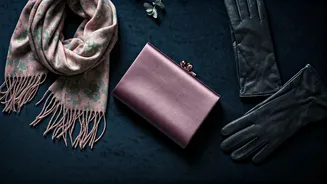
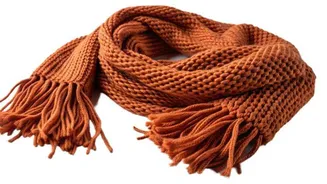
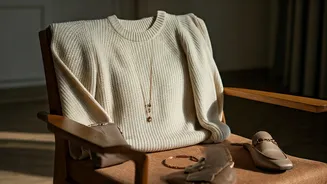
Accessories are vital tools that allow you to express your individual style. They have the power to transform a simple outfit into something more unique. Accessories can be used to add a pop of color, incorporate a statement, or even elevate a look. Consider the type of accessories that can enhance your attire. Belts can be used to define the waist, while scarves add texture and color. A collection of necklaces, bracelets, and earrings provides various ways to experiment with styles. Bags and shoes are also important accessories. They can provide an opportunity to make a statement or to enhance the whole look. When selecting accessories, balance is key. Too many accessories can make a look feel cluttered, while not enough may make it feel unfinished. Aim for a cohesive look. Choose accessories that complement your outfit. The goal is to create a put-together appearance.
Styling for Occasions
Fashion is about more than just what you wear; it's about the feeling you create. Tailoring your wardrobe to suit different occasions is key to success. Everyday outfits require simplicity and comfort. Casual wear calls for practical pieces that also let your personality shine. For professional settings, it is best to opt for polished and sophisticated attire. Tailored blazers, dress pants, and button-down shirts are good choices. For social events, such as parties or nights out, the dress code is more relaxed. Consider your personal style preferences, selecting pieces that reflect the vibe of the event. To do so, you can choose statement pieces like a sequin top or colorful dress. When dressing for an occasion, always consider the season and weather, which will help you choose suitable fabrics and layers. It is necessary to be prepared for the climate while also looking your best.