







Celebrating Makar Sankranti
Makar Sankranti is a significant festival celebrated across India, marking the transition of the sun into the zodiac sign of Capricorn (Makar). It’s a time
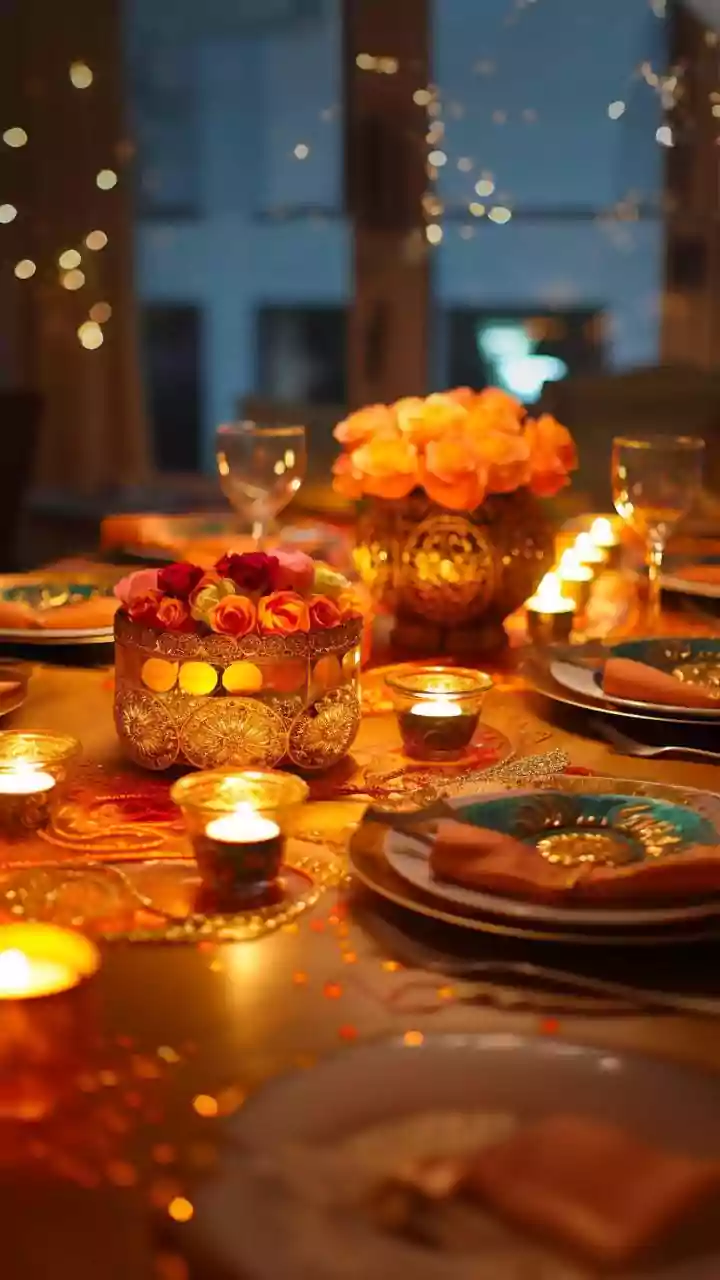
for joyous celebrations, vibrant kite-flying, and indulging in delicious traditional foods. The festival typically falls in mid-January and symbolizes the end of the winter solstice, with longer days and the beginning of the harvest season. The celebrations often include exchanging greetings, sharing sweets, and performing rituals to honor the sun god, Surya. Makar Sankranti is not just a festival; it's a celebration of life, harvest, and the changing seasons, uniting people across different regions and cultures in India. The exchange of greetings and wishes is a significant part of the celebration, fostering a sense of community and goodwill. There are various messages, quotes, and greetings, designed to express love, respect, and best wishes. Understanding the cultural nuances and traditions associated with Makar Sankranti enriches the celebratory experience and allows one to appreciate the festival's deep-rooted significance.
Wishes And Greetings
Makar Sankranti provides the perfect opportunity to convey heartfelt wishes to loved ones. Numerous messages, greetings, and quotes are shared to celebrate the occasion. Common greetings may include messages of prosperity, happiness, and good health. These wishes are often expressed through various channels, from personal conversations to social media platforms. There are numerous wishes available, designed to convey the essence of the festival. You can find many options from simple greetings to elaborate quotes. The variety of wishes provides ample opportunity to express one's sentiments effectively. Sharing these wishes not only spreads joy but also strengthens relationships, marking the occasion with positivity and warmth. The act of sharing wishes helps foster a sense of togetherness and communal celebration. The heartfelt wishes often carry the spirit of the festival, connecting individuals through shared sentiments and festive cheer.
Cultural Traditions
Makar Sankranti is rich in cultural traditions that vary across different regions of India. Kite flying is one of the most visible symbols of the festival, with skies filled with colorful kites. Traditional foods play a significant role, with dishes like *khichdi* (a lentil and rice dish), *til ladoos* (sesame seed balls), and *pongal* (a South Indian rice dish) being widely enjoyed. Rituals honoring the sun god, Surya, are also common, with people offering prayers and performing ceremonies. The specific traditions and foods vary from region to region. For example, in Gujarat, kite flying competitions are a major event, while in Tamil Nadu, Pongal is celebrated over several days. Each region's unique traditions contribute to the diverse and vibrant tapestry of Makar Sankranti celebrations across India. Celebrating these traditions ensures that the essence of the festival is preserved and passed down through generations.
Makar Sankranti Delights
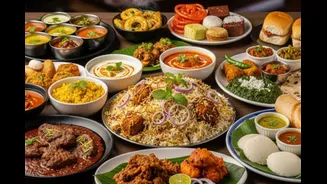
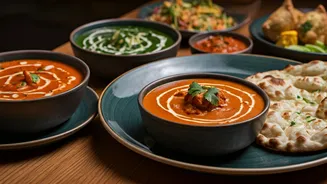
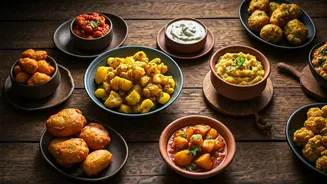
Food plays a crucial role in Makar Sankranti celebrations, with each region having its own special dishes. *Khichdi*, made with rice and lentils, is a popular dish often served with ghee. *Til ladoos*, made from sesame seeds and jaggery, are another traditional sweet, representing the sweetness of the season. In South India, Pongal is a special rice dish that is prepared over several days. These dishes not only enhance the festive spirit but also hold symbolic meaning, often representing prosperity and abundance. The preparation and sharing of these foods bring families and communities together, reinforcing the sense of togetherness. Makar Sankranti offers a culinary journey, showcasing the diverse flavors and traditions of India through its rich and delicious food offerings. Exploring these dishes allows for a deeper appreciation of the festival and its culinary heritage.
Pongal Celebrations
Pongal, a significant part of the Makar Sankranti celebrations in South India, is celebrated over several days. The festival is dedicated to the sun god and the harvest, with each day having its own unique rituals and significance. The main event involves the preparation of sweet Pongal, a dish made with rice, lentils, and jaggery. Homes and temples are decorated with colorful rangoli, and families gather to exchange greetings and share meals. The celebrations include prayers, community feasts, and various cultural performances. Pongal symbolizes gratitude for the harvest and marks the beginning of a new cycle of life. It’s a time to celebrate abundance and express thanks for the blessings received. This includes sharing festive meals together and engaging in traditional games and activities. The cultural practices of Pongal showcase the values and traditions of South Indian society, celebrating the interconnectedness of nature, humanity, and spirituality.