




The Dusty Danger
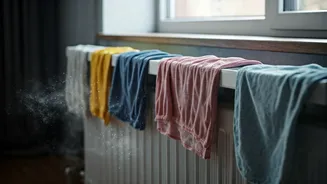
During colder periods, many resort to using radiators as makeshift clothes dryers, seeking a quick solution to damp laundry and a way to combat dry indoor
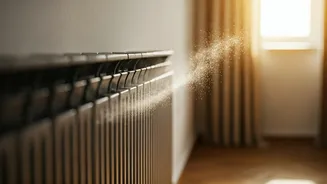
air. This seemingly practical approach, however, masks a complex and potentially harmful process. Household dust, often dismissed as inert particles, is actually a composite of dead skin cells, pet dander, pollen, and fine fibers. When exposed to the intense heat from a domestic heating system, these elements undergo a transformation. The primary concern isn't the visible dust bunnies, but the miniscule particles liberated by the heat. Research indicates that when dust reaches temperatures between 120 and 180 degrees Fahrenheit, trapped volatile compounds and water vapor are released, forming sub-micron particles. These incredibly small particles are light enough to become airborne and can linger in your living spaces for extended durations, potentially impacting respiratory health.
Particle Physics Revealed
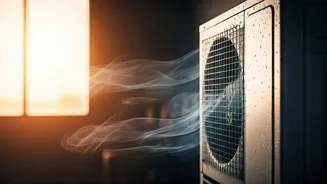
The heating of indoor dust by radiators initiates a fascinating, yet concerning, chain of events related to particle physics. Studies have demonstrated that this heating process significantly increases the concentration of sub-micron particles in the air. These particles are essentially condensation nuclei, formed as volatile organic compounds and moisture are driven out of the dust structure by the radiator's warmth. Their extremely small size means they can easily bypass the body's natural respiratory defenses, reaching deeper into the lungs. Radiators, therefore, not only serve as a heat source but also as potential emitters of these airborne contaminants, especially if they are not regularly cleaned. The act of drying clothes on a hot radiator amplifies this effect by warming the dusty air emanating from the heating unit itself, creating an environment ripe for particle dispersion.
Breathing Easier at Home
Protecting vulnerable individuals, including children, the elderly, and those with pre-existing respiratory conditions like asthma or allergies, is paramount. The ultrafine particles released from heated dust can cause significant irritation when inhaled, leading to increased discomfort and potential health complications. In poorly ventilated areas, the concentration of these harmful particles can become particularly high. The Environmental Protection Agency (EPA) emphasizes that managing the sources of these particles is the most effective strategy for ensuring healthy indoor air quality. Fine particles measuring less than 2.5 micrometers are of special concern, as they are small enough to enter the bloodstream, impacting both lung and heart function. By using radiators as drying racks, we inadvertently contribute to indoor air pollution within the very spaces we occupy most frequently during winter.
Smart Drying Solutions
While completely eliminating indoor dust is an unrealistic goal, controlling its impact is achievable. Disturbances and warming are significant contributors to lifting dust into breathable air. Consequently, hanging damp laundry directly on a heated radiator presents a direct pathway for dust particles into the air we breathe. To maintain fresh air while still air-drying clothes effectively, it's crucial to separate the heat source from the drying garments. A practical solution involves using a portable folding drying rack placed a short distance away from the radiator. This allows the ambient warmth in the room to circulate around the clothes, promoting even drying without directly overheating the dust on the radiator's surface. Regular maintenance of radiators is also essential; cleaning their fins with a damp cloth or a specialized brush before the heating season significantly reduces the potential for particle release. For those who frequently air-dry clothes indoors, investing in an air purifier equipped with a HEPA filter can be highly beneficial, as these devices are specifically designed to capture extremely fine airborne particles.